
Monthly Memo Template For Internal News
Monthly Memo Template for Internal News
A well-crafted monthly memo is an invaluable tool for keeping employees informed, engaged, and connected within an organization. It serves as a concise and centralized source of internal news, fostering transparency and a sense of community. This template provides a structure for creating effective monthly memos that resonate with your audience.
Key Elements of an Effective Monthly Memo Template
1. Header Information
The header clearly identifies the memo’s purpose and audience:
- Subject: State the memo’s core purpose clearly. Examples: “Monthly Update – [Month, Year]”, “Internal Newsletter – [Month, Year]”, “Company News – [Month, Year]”.
- Date: Include the date of publication. This helps employees track the memo’s timeliness.
- To: Specify the target audience (e.g., “All Employees”, “Marketing Department”, “Project Team X”).
- From: Identify the sender or department responsible for the memo (e.g., “HR Department”, “CEO”, “Internal Communications Team”).
2. Opening Summary/Executive Summary
Capture attention and provide a brief overview of the memo’s content. This section should be concise and highlight the most important news items. Consider using bullet points for quick readability.
Example:
Welcome to the [Month] edition of our internal newsletter! This month’s highlights include:
- Launch of the new [Product/Service]
- Employee recognition awards
- Upcoming company picnic details
- Update on [Project Name] progress
3. Company Updates
This is the core section where you share important company-wide news. Be specific and avoid jargon.
- Business Performance: Share key metrics related to sales, revenue, customer growth, or market share. Compare these figures to previous months or quarters to provide context. If there are any significant deviations from targets, offer a brief explanation.
- Strategic Initiatives: Provide updates on major ongoing projects or strategic initiatives. Explain the goals of these initiatives, the progress made, and any upcoming milestones.
- Industry News: Briefly mention relevant industry trends or news that could impact the company. This demonstrates awareness of the broader business environment.
- Policy Changes: Clearly communicate any updates to company policies, procedures, or benefits. Provide links to relevant documents for more detailed information.
4. Departmental Highlights
Showcase the achievements and initiatives of different departments within the organization. This fosters cross-functional understanding and collaboration. Each department can submit a short paragraph or two summarizing their key activities.
Example:
Marketing Department: Successfully launched the new social media campaign for [Product/Service], resulting in a [Percentage] increase in website traffic.
Engineering Department: Completed the development of the new feature for [Product/Service], which is scheduled for release next month.
Sales Department: Exceeded sales targets for the quarter by [Percentage], thanks to the team’s hard work and dedication.
5. Employee Recognition
Acknowledge and celebrate employee achievements. This boosts morale and reinforces positive behaviors.
- Employee of the Month: Highlight an employee who has consistently exceeded expectations. Include a brief description of their contributions.
- Years of Service Awards: Recognize employees who have reached significant milestones in their tenure with the company.
- Team Accomplishments: Celebrate teams that have achieved significant milestones or successfully completed projects.
- Kudos and Shout-outs: Allow employees to publicly acknowledge the contributions of their colleagues. This can be a simple “Thank you” or a more detailed appreciation of their efforts.
6. Upcoming Events and Activities
Promote upcoming company events, training sessions, social gatherings, and volunteer opportunities. Include dates, times, locations, and registration information.
Examples:
- Company Picnic: [Date], [Time], [Location]. RSVP by [Date].
- Training Session: “[Training Title]” on [Date], [Time], [Location]. Register at [Link].
- Volunteer Opportunity: [Organization] on [Date], [Time]. Sign up with [Contact Person].
7. Important Reminders and Announcements
Include any reminders regarding deadlines, compliance requirements, or upcoming holidays.
Examples:
- Performance Review Deadline: Please submit your self-evaluation by [Date].
- Open Enrollment: Open enrollment for benefits ends on [Date].
- Holiday Closure: The office will be closed on [Date] for [Holiday].
8. Call to Action
Encourage employees to take action, such as providing feedback, attending an event, or sharing the memo with their team members.
Examples:
- “We welcome your feedback on this newsletter. Please send your comments to [Email Address].”
- “Register for the upcoming training session at [Link].”
- “Share this memo with your team to ensure everyone is informed.”
9. Contact Information
Provide contact information for questions or concerns related to the memo’s content.
Example:
If you have any questions, please contact [Name] at [Email Address] or [Phone Number].
Tips for Creating Engaging Monthly Memos
- Keep it Concise: Aim for brevity and avoid unnecessary details. Employees are more likely to read a short, focused memo.
- Use Visuals: Incorporate images, charts, or graphs to break up text and make the memo more visually appealing.
- Maintain a Consistent Tone: Adopt a tone that is consistent with your company culture. It should be professional, informative, and engaging.
- Proofread Carefully: Ensure the memo is free of grammatical errors and typos. A polished memo reflects well on the organization.
- Track Engagement: Monitor open rates, click-through rates, and feedback to assess the memo’s effectiveness and identify areas for improvement.
- Mobile-Friendly: Ensure the memo is easily readable on mobile devices. Many employees access internal communications on their phones.
- Solicit Contributions: Encourage employees from different departments to contribute content. This can increase engagement and provide a more diverse range of perspectives.
By following this template and incorporating these tips, you can create monthly memos that effectively communicate internal news, foster employee engagement, and contribute to a positive and informed workplace culture.
 585×630 internal memo template word google docs documents from www.template.net
  1632×2109 internal memo template from lesboucans.com
  440×570 internal memo template word apple mac pages from www.template.net
  585×500 internal memo templates google docs word from www.template.net
  580×650 internal memo templates google docs ms word pages from www.sampletemplates.com
  440×622 memo templates ready templatenet from www.template.net
 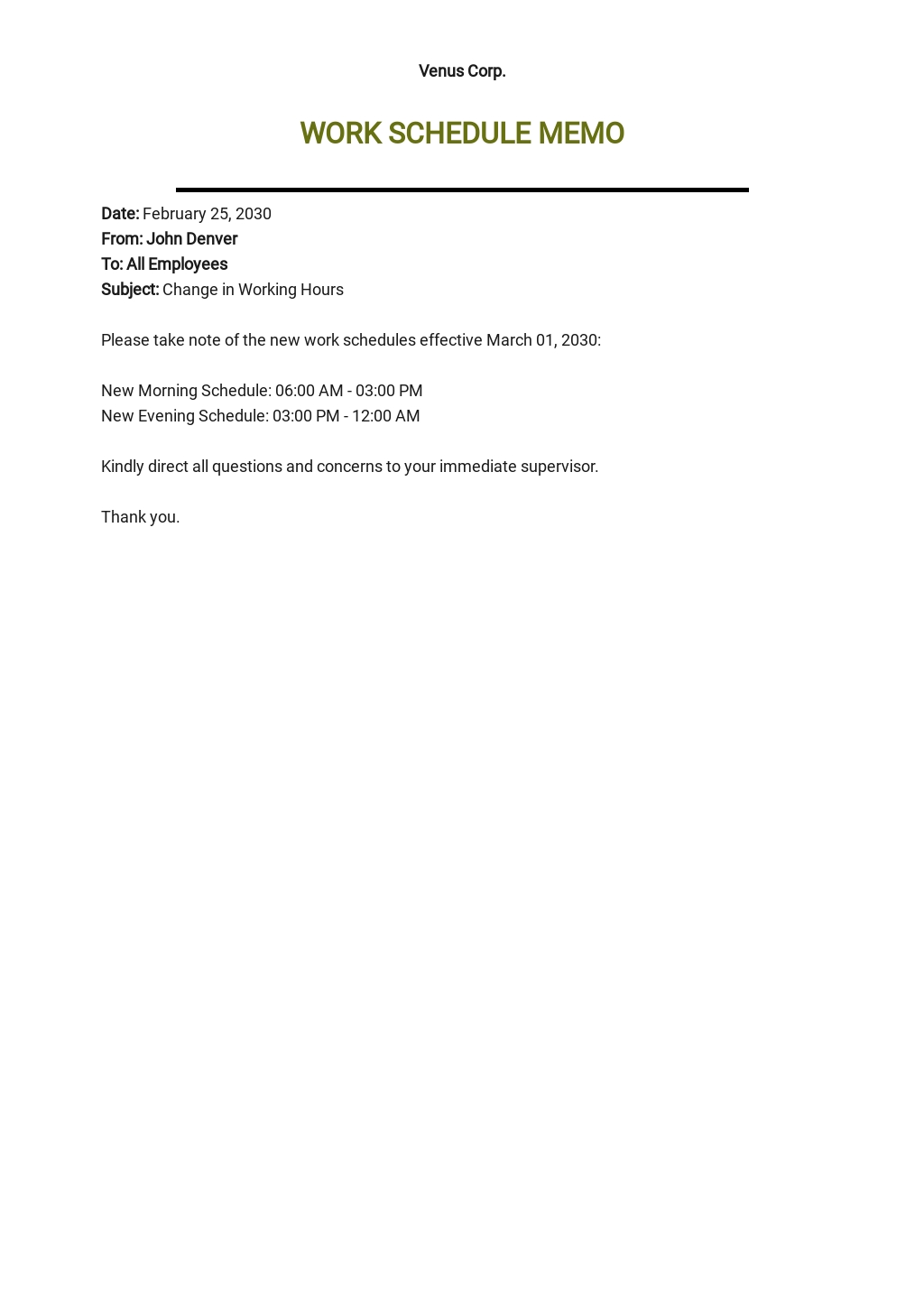 1024×1446 internal templates word google docs apple pages from www.template.net
  600×730 internal memo templates ms word google docs from www.sampletemplates.com