
HR Memo Template For Employee Notice
“`html
HR Memo Template: Employee Notice
A well-structured HR memo serves as a vital communication tool within any organization. It’s the conduit for disseminating important information to employees, ensuring transparency, alignment, and a unified understanding of company policies, procedures, and initiatives. A poorly written memo can lead to confusion, frustration, and even legal complications. This guide provides a comprehensive template and best practices for creating effective HR memos for employee notices.
Template Structure
A standard HR memo for employee notices generally follows this format:
1. Heading
The heading clearly identifies the document as an HR memo and includes essential information.
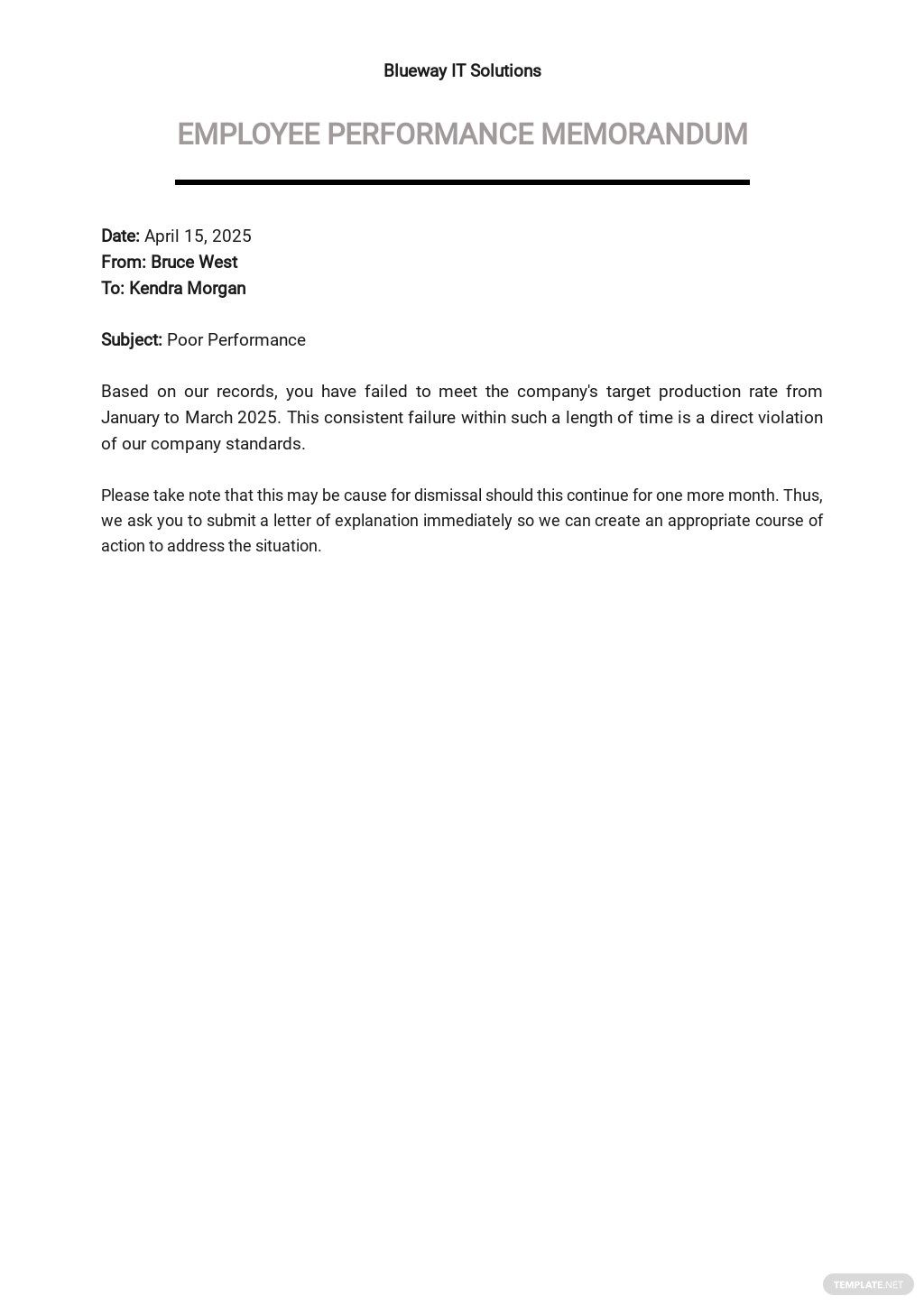
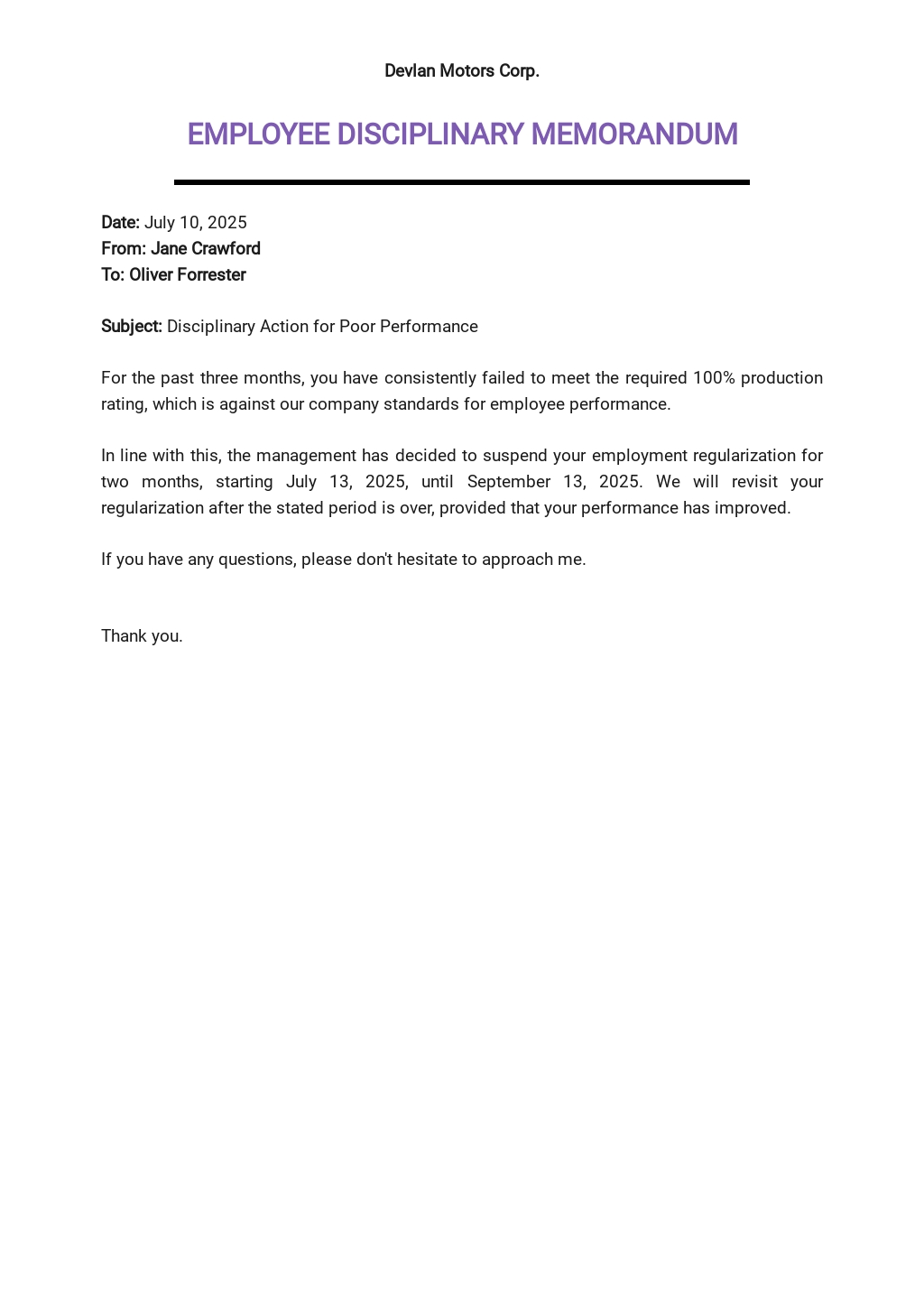
MEMORANDUM TO: [Employee Name/Department/All Employees] FROM: [HR Department/Specific HR Representative] DATE: [Date of Issuance] SUBJECT: [Concise and Specific Subject Line]
Explanation:
- TO: Specify the intended recipient(s). Use “All Employees” for company-wide announcements, a department name for departmental updates, or a specific employee’s name for individual communication.
- FROM: Clearly identify the HR department or the specific HR representative responsible for the memo.
- DATE: Indicate the date the memo is issued. This is crucial for record-keeping and referencing.
- SUBJECT: A concise and descriptive subject line is paramount. It should immediately convey the memo’s purpose, allowing employees to quickly assess its relevance. Examples: “New Employee Benefits Package,” “Update to Company Dress Code,” “Upcoming Performance Review Cycle,” “Office Closure for Holiday.”
2. Introduction (Purpose Statement)
The opening paragraph should clearly state the purpose of the memo and provide a brief overview of the information to be presented.
This memo serves to inform all employees about [State the main topic of the memo]. Specifically, this notice outlines [Mention the key areas to be covered]. We encourage you to read this memo carefully as it contains important information regarding [Specific implications or action required].
Explanation:
- Be direct and avoid ambiguity. Immediately tell the reader what the memo is about.
- Outline the key areas that will be discussed in the memo. This helps manage expectations and guides the reader.
- If the memo requires specific action from employees (e.g., enrolling in a new benefits program, acknowledging a policy update), clearly state this in the introduction.
3. Body (Detailed Information)
This section contains the main content of the memo, providing detailed information, explanations, and instructions. Use clear, concise language and organize the information logically.
[Paragraph 1: Provide background information or context. Explain the reason for the change or policy update.] [Paragraph 2: Describe the new policy, procedure, or initiative in detail. Include specific examples and clarify any potential ambiguities.] [Paragraph 3: Explain the impact of the change on employees. Address any potential concerns or questions.] [Paragraph 4 (If applicable): Outline any required actions for employees, including deadlines and relevant contact information.]
Explanation:
- Clarity is key: Use simple, straightforward language and avoid jargon or technical terms that employees may not understand.
- Logical organization: Structure the information in a logical and easy-to-follow manner. Use headings, subheadings, bullet points, and numbered lists to break up large blocks of text and improve readability.
- Specific examples: Illustrate your points with concrete examples to help employees understand the implications of the new policy or procedure.
- Visual aids: If appropriate, include tables, charts, or graphs to present data in a visually appealing and easily digestible format.
- Consistent tone: Maintain a professional and respectful tone throughout the memo. Avoid using accusatory or judgmental language.
4. Conclusion (Summary and Call to Action)
The conclusion should summarize the key points of the memo and reiterate any required actions. It should also provide contact information for employees who have questions or need further assistance.
In summary, this memo outlines [Summarize the key points]. Please ensure you [Reiterate any required actions by the deadline]. If you have any questions or require further clarification, please contact the HR Department at [Phone number] or [Email address]. We appreciate your attention to this matter.
Explanation:
- Reinforce key messages: Briefly recap the main points of the memo to ensure employees understand the key takeaways.
- Reiterate deadlines: If the memo requires employees to take specific actions, clearly restate the deadlines.
- Provide contact information: Offer a clear and accessible point of contact for employees who have questions or need assistance. This demonstrates a commitment to supporting employees and addressing their concerns.
- Express appreciation: End the memo on a positive note by expressing appreciation for employees’ attention and cooperation.
5. Closing
A standard closing adds a professional touch.
Sincerely, [HR Department/Specific HR Representative]
Best Practices for Effective HR Memos
- Proofread carefully: Before distributing the memo, carefully proofread it for any errors in grammar, spelling, and punctuation. A memo riddled with errors can damage the credibility of the HR department and the company.
- Use a consistent format: Maintain a consistent format for all HR memos to ensure a professional and cohesive look.
- Consider your audience: Tailor the language and tone of the memo to your audience. A memo to senior management will likely differ from a memo to entry-level employees.
- Get feedback: Before finalizing the memo, ask a colleague to review it for clarity and accuracy. A fresh pair of eyes can often spot errors or ambiguities that you may have missed.
- Distribute the memo effectively: Choose the most effective method of distribution for your organization. This may include email, intranet posting, or hard copies.
- Maintain records: Keep a copy of all HR memos for record-keeping purposes. This can be helpful in resolving disputes or answering employee inquiries.
- Ensure compliance: Always ensure that the content of your HR memos complies with all applicable laws and regulations. Consult with legal counsel if you have any doubts.
By following this template and adhering to these best practices, you can create effective HR memos that inform, engage, and empower your employees.
“`
 1088×1408 employee memo sample relief from briefrelief.com
  390×505 employee memo templates google docs word pages from www.template.net
  728×943 employee memo template collection from lesboucans.com
  1024×1446 memo samples format examples from www.template.net
  600×419 hr memo examples from www.examples.com
  600×730 employee memo template word document downloads from www.template.net
  680×874 hr notice templates hr templates from www.template.net
  600×730 employee memo templates ms word from www.sampletemplates.com
  1024×1446 sample employee memo template word templatenet from www.template.net