
Downloadable Gig Work Agreement USA
Navigating Downloadable Gig Work Agreements in the USA
The gig economy has transformed the American workforce, offering flexibility and autonomy to millions. At its core are gig work agreements, contracts defining the relationship between the gig worker (independent contractor) and the platform or company offering the work. Finding reliable, downloadable gig work agreement templates can be a crucial first step for both parties, but navigating their complexities requires careful consideration. This article explores the intricacies of downloadable gig work agreements in the USA, emphasizing key provisions, potential pitfalls, and best practices.
Understanding the Essence of a Gig Work Agreement
A gig work agreement is a legally binding contract that outlines the rights, responsibilities, and obligations of both the gig worker and the company engaging their services. Unlike a traditional employment contract, a gig work agreement reinforces the independent contractor status, meaning the worker is generally not entitled to employee benefits such as health insurance, paid time off, or unemployment insurance. The agreement should clearly define the scope of work, payment terms, intellectual property ownership, confidentiality obligations, and termination conditions.
Key Provisions to Scrutinize in Downloadable Templates
While downloadable templates offer a convenient starting point, it’s crucial to scrutinize them thoroughly and customize them to fit the specific gig and the applicable state laws. Here’s a breakdown of essential provisions: * **Scope of Work:** This section must meticulously detail the specific services the gig worker is expected to provide. Vague descriptions can lead to disputes. For example, instead of stating “marketing services,” specify “developing and executing a social media marketing strategy, creating monthly reports, and managing online advertising campaigns.” The clearer the definition, the less room for ambiguity. * **Independent Contractor Status:** This is arguably the most critical clause. It explicitly states that the worker is an independent contractor and not an employee. The agreement should assert that the worker has control over how they perform the work, sets their own hours, and can accept or reject assignments. It should also clarify that the worker is responsible for their own taxes and expenses. However, simply labeling someone an independent contractor doesn’t make it so. Courts and government agencies use a multi-factor test (often based on the IRS guidelines) to determine true independent contractor status. The agreement should reflect practices consistent with this status. * **Payment Terms:** This section should clearly outline how the gig worker will be compensated, whether it’s an hourly rate, a fixed fee per project, or a commission-based structure. It should specify the payment schedule (e.g., weekly, bi-weekly, monthly) and the method of payment (e.g., direct deposit, check). Expense reimbursement policies, if any, should also be clearly defined. Late payment penalties should also be considered. * **Intellectual Property Ownership:** This clause determines who owns the intellectual property created during the gig. Typically, companies will want to own the work product, especially if it’s custom-made for them. However, the agreement should clearly state this. If the gig worker is using their own pre-existing intellectual property, this should be explicitly excluded from the transfer. * **Confidentiality:** This section protects the company’s sensitive information, such as trade secrets, customer lists, and financial data. The agreement should prohibit the gig worker from disclosing this information to third parties, both during and after the term of the agreement. It may also include a non-disclosure agreement (NDA) as part of the gig work agreement. * **Termination:** The agreement should specify the conditions under which either party can terminate the agreement. This includes the notice period required, the reasons for termination (e.g., breach of contract, unsatisfactory performance), and the process for resolving any outstanding payments or obligations. * **Governing Law and Dispute Resolution:** This clause specifies which state’s laws will govern the interpretation and enforcement of the agreement. It also outlines the process for resolving disputes, which may include mediation, arbitration, or litigation. Choosing a favorable jurisdiction can be strategically important. * **Indemnification:** This section addresses liability and responsibility. It often requires the gig worker to indemnify the company against any losses, damages, or liabilities arising from the gig worker’s actions or omissions. This is a crucial clause to understand, as it can have significant financial implications.
Potential Pitfalls of Using Generic Downloadable Templates
While convenient, relying solely on generic downloadable templates without legal review can be risky: * **Misclassification Risks:** As mentioned earlier, misclassifying an employee as an independent contractor can have serious legal and financial consequences for the company. The agreement must reflect a true independent contractor relationship, and the company’s practices must align with this classification. The IRS and state labor agencies actively investigate misclassification, which can result in back taxes, penalties, and even lawsuits. * **Lack of State-Specific Compliance:** Labor laws vary significantly from state to state. A generic template may not comply with the specific requirements of the state where the gig work is being performed. This could render the agreement unenforceable or expose the company to legal liability. * **Inadequate Protection:** A generic template may not adequately protect the company’s interests, such as its intellectual property or confidential information. It may also fail to address specific risks associated with the particular type of gig work being performed. * **Ambiguity and Vague Language:** Generic templates often contain ambiguous language or vague descriptions, which can lead to disputes and misunderstandings. Clarity and specificity are essential in a legally binding agreement.
Best Practices for Using Downloadable Gig Work Agreements
To mitigate the risks associated with downloadable templates, consider the following best practices: * **Consult with Legal Counsel:** Before using any downloadable template, consult with an attorney who specializes in labor law and independent contractor agreements. They can review the template, identify any potential issues, and customize it to fit the specific gig and applicable state laws. * **Tailor the Template to the Specific Gig:** Don’t use a generic template “as is.” Tailor it to the specific type of work being performed, the payment terms, the intellectual property considerations, and any other unique aspects of the gig. * **Ensure Compliance with State and Federal Laws:** Verify that the agreement complies with all applicable state and federal laws, including wage and hour laws, anti-discrimination laws, and independent contractor classification rules. * **Clearly Define Independent Contractor Status:** Ensure that the agreement clearly defines the worker’s status as an independent contractor and that the company’s practices align with this classification. Avoid language or practices that suggest an employer-employee relationship. * **Review and Update Regularly:** Labor laws and regulations are constantly evolving. Review and update your gig work agreements regularly to ensure they remain compliant and effective. * **Document Everything:** Keep detailed records of all agreements, communications, and payments related to gig work. This documentation can be invaluable in the event of a dispute. By understanding the complexities of downloadable gig work agreements and following these best practices, both gig workers and companies can navigate the gig economy with greater confidence and minimize the risk of legal disputes. While the allure of readily available templates is strong, remember that a properly tailored and legally sound agreement is a crucial investment in a successful and compliant gig relationship.
 850×1100 work hire agreement work hire agreement legal forms from www.uslegalforms.com
  1000×667 contract gig workers qualify benefits encouraged file from repweber.com
  1000×749 ab impact gig economy from www.pacificworkers.com
  834×1077 work hire agreement downloadable template from signaturely.com
  494×640 work hire agreement template fill sign from www.templateroller.com
  800×452 work hire agreement templates templatesvip from templates.vip
  834×1080 work hire agreement templates from signaturely.com
 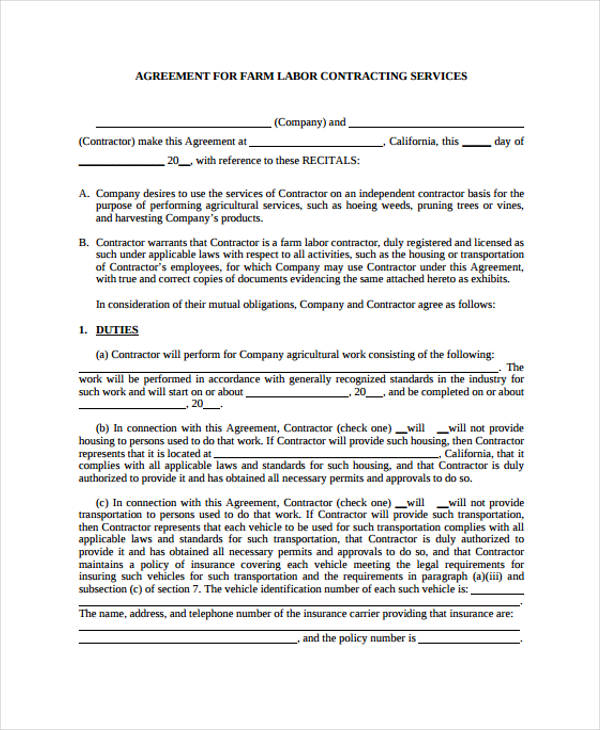 600×730 labor agreement templates word from www.template.net