
Retail Space Rental Agreement USA
Retail Space Rental Agreement in the USA
A retail space rental agreement, also known as a commercial lease, is a legally binding contract between a landlord (or property owner) and a tenant (or lessee) for the purpose of operating a retail business in a specific property. These agreements are crucial for both parties, outlining rights, responsibilities, and obligations related to the rented space. Due to the complexities of commercial real estate, these agreements are generally more intricate than residential leases.
Key Components of a Retail Space Rental Agreement
A comprehensive retail space rental agreement should cover the following key areas:
- Parties Involved: Clearly identify the landlord and tenant, including their full legal names and addresses. If the tenant is a business entity (e.g., LLC, corporation), the agreement must specify the entity’s legal name and registered address.
- Premises Description: A detailed description of the leased space, including the street address, suite number (if applicable), square footage, and a precise demarcation of the boundaries. Attachments, such as floor plans, are highly recommended.
- Lease Term: Specifies the commencement date and the expiration date of the lease. Options for renewal, if any, should be clearly outlined, including the procedure for exercising the option (e.g., written notice required within a certain timeframe). Fixed-term leases are common, often ranging from 3 to 10 years, although shorter or longer terms are possible.
- Rent and Payment Schedule: Details the amount of rent to be paid, the frequency of payments (typically monthly), the due date, and the acceptable methods of payment (e.g., check, electronic transfer). The agreement should also specify any late payment penalties, including late fees and interest charges. Rent escalation clauses, which outline how and when rent may increase over the lease term, are common, often tied to inflation or a predetermined percentage.
- Security Deposit: States the amount of the security deposit, the conditions for its return (typically at the end of the lease term, provided the tenant has fulfilled all obligations), and any allowable deductions for damages or unpaid rent. State laws often regulate the amount of the security deposit and the timeframe for its return.
- Use of Premises: Defines the permitted uses of the retail space. This clause is crucial, as it restricts the tenant’s business activities to those specifically allowed. Landlords may impose restrictions to maintain a specific tenant mix or to prevent certain types of businesses that could be detrimental to the property.
- Maintenance and Repairs: Allocates responsibility for maintenance and repairs between the landlord and the tenant. Typically, the landlord is responsible for maintaining the structural elements of the building (e.g., roof, walls, foundation, common areas), while the tenant is responsible for maintaining the interior of the leased space and any equipment they install. The agreement should clearly outline who is responsible for specific repairs, such as plumbing, electrical, and HVAC systems.
- Alterations and Improvements: Sets forth the rules regarding alterations and improvements to the premises. Generally, tenants need the landlord’s written consent before making any significant alterations. The agreement should specify whether any improvements made by the tenant become the property of the landlord at the end of the lease term.
- Insurance: Specifies the insurance requirements for both the landlord and the tenant. The tenant is typically required to carry liability insurance and property insurance to cover their business operations and their personal property within the leased space. The landlord is responsible for insuring the building itself. The agreement should outline the minimum coverage amounts and require each party to provide proof of insurance to the other.
- Indemnification: An indemnification clause protects one party from liability for certain losses or damages. Typically, the tenant agrees to indemnify the landlord against any claims arising from the tenant’s use of the premises.
- Assignment and Subletting: Defines the tenant’s ability to assign the lease (transfer their rights and obligations to another party) or sublet the premises (rent a portion of the space to another party). Landlords often restrict or prohibit assignment and subletting, or require their prior written consent, to maintain control over the tenancy.
- Default and Remedies: Outlines the events that constitute a default by either party (e.g., failure to pay rent, breach of other lease terms) and the remedies available to the non-defaulting party. Landlord remedies may include eviction, termination of the lease, and the right to recover damages.
- Compliance with Laws: Requires both the landlord and the tenant to comply with all applicable federal, state, and local laws and regulations, including zoning ordinances, building codes, and environmental regulations.
- Common Area Maintenance (CAM) Charges: If the retail space is located in a shopping center or other multi-tenant property, the lease will likely include a CAM clause. This clause requires the tenant to contribute to the costs of maintaining common areas, such as parking lots, landscaping, and security. The agreement should specify how CAM charges are calculated and billed to the tenant.
- Signage: Defines the tenant’s rights regarding signage on the premises. It should outline the size, location, and type of signage permitted, as well as any restrictions imposed by the landlord or local regulations.
- Quiet Enjoyment: A standard clause guaranteeing the tenant the right to peacefully occupy and use the premises without undue interference from the landlord.
- Governing Law: Specifies the state law that will govern the interpretation and enforcement of the lease agreement.
- Entire Agreement: A clause stating that the written lease agreement constitutes the entire agreement between the parties and supersedes any prior oral or written agreements.
Importance of Legal Counsel
Given the complexity of retail space rental agreements, it is highly recommended that both landlords and tenants seek legal counsel from experienced real estate attorneys. An attorney can review the agreement, explain its terms, and advise on any potential risks or liabilities. They can also negotiate on behalf of their client to ensure that the agreement is fair and reflects their best interests. Failure to seek legal advice can result in costly disputes and legal battles down the road.
 672×870 commercial space rental agreement sample randy horans template from listpaul70.blogspot.com
  613×793 rental space agreement template sampletemplatess sampletemplatess from www.sampletemplatess.com
  728×902 room rental agreement kb pages from www.speedytemplate.com
 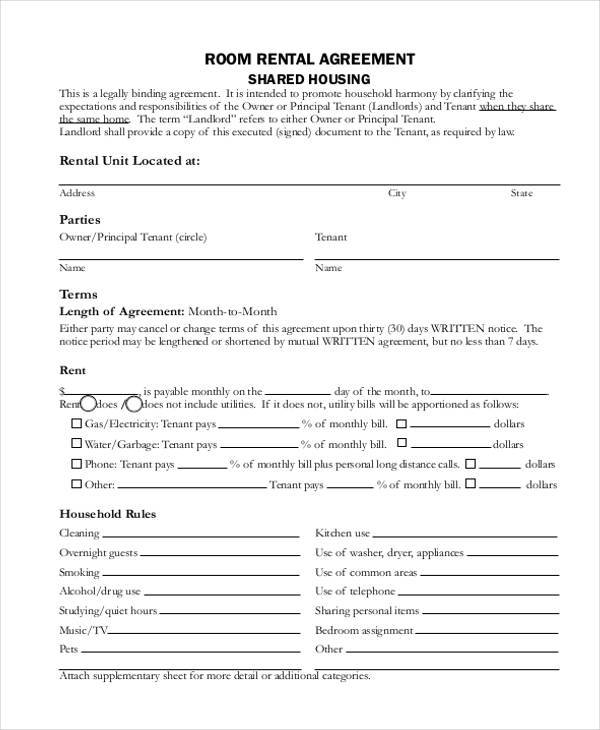 600×730 commercial rental agreement form samples ms word google from www.sampleforms.com
  696×900 storage space rental agreement word formats from www.dexform.com
  880×1243 retail space lease agreement template google docs word apple pages from www.template.net
 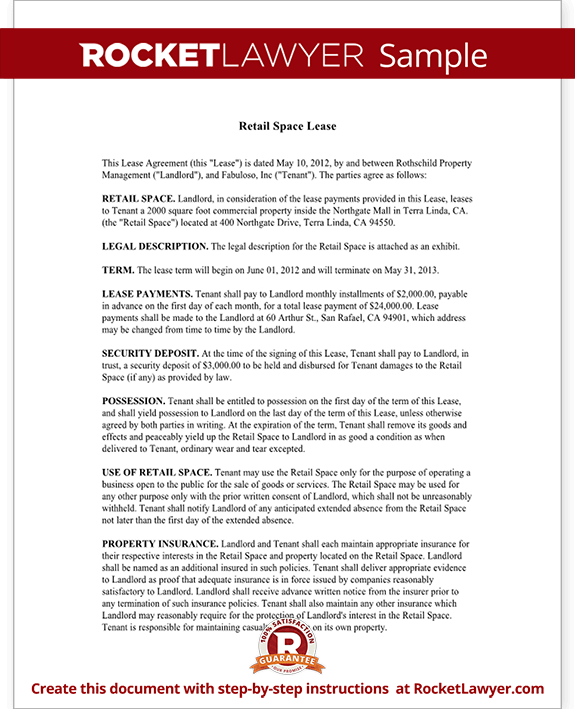 575×709 retail lease agreement form create agreement template sample from rocketlawyer.com
  580×866 retail lease agreement sample from www.rpemery.com.au