
Legal Contract Form Editable In Word
Legal contract forms editable in Word offer a convenient and accessible solution for drafting, reviewing, and finalizing legally binding agreements. Their popularity stems from the familiarity and widespread availability of Microsoft Word, making them a practical choice for individuals and businesses alike. However, understanding the nuances of using these forms effectively is crucial to ensuring the validity and enforceability of the resulting contract. **Advantages of Using Editable Word Contract Forms:** * **Accessibility and Familiarity:** Microsoft Word is a ubiquitous software, making it readily available to most users. Its user-friendly interface and extensive editing tools contribute to a lower learning curve compared to specialized legal software. This accessibility lowers the barrier to entry for creating and managing contracts, especially for small businesses or individuals with limited legal expertise. * **Cost-Effectiveness:** Pre-designed contract templates in Word are often available for free or at a relatively low cost compared to hiring a lawyer to draft a contract from scratch. This cost-effectiveness makes them an attractive option for situations where legal budgets are constrained, or the complexity of the agreement doesn’t necessarily warrant bespoke legal services. * **Customization and Flexibility:** Editable Word forms offer a high degree of customization. Users can modify clauses, add or remove sections, and tailor the language to perfectly reflect the specific terms and conditions of their agreement. This flexibility is essential for accommodating unique circumstances and ensuring that the contract accurately captures the intent of all parties involved. * **Collaboration and Review:** Word’s collaboration features allow multiple parties to easily review, comment, and suggest changes to the contract. Track Changes functionality provides a clear audit trail of modifications, facilitating efficient negotiation and ensuring transparency throughout the drafting process. This collaborative aspect streamlines the contract review process and reduces the likelihood of misunderstandings. * **Version Control:** Word allows for easy saving of different versions of the contract, ensuring that a history of changes is preserved. This is critical for tracking amendments and identifying the final, agreed-upon version of the document. Proper version control minimizes the risk of disputes arising from confusion about which version is legally binding. **Potential Pitfalls and Considerations:** * **Lack of Legal Expertise:** While Word templates provide a starting point, they cannot replace the expertise of a qualified attorney. Standard templates may not adequately address the specific legal requirements of a particular jurisdiction or industry. Furthermore, individuals lacking legal knowledge may inadvertently omit critical clauses or use language that is ambiguous or unenforceable. * **Inadequacy for Complex Agreements:** Word templates are generally best suited for simple, straightforward agreements. For complex transactions involving significant financial stakes, intricate terms, or specialized legal considerations, relying solely on a Word template can be risky. In such cases, seeking professional legal advice is essential to ensure that the contract adequately protects all parties’ interests. * **Risk of Errors and Omissions:** Editing a contract template without a thorough understanding of the legal implications can lead to errors and omissions that invalidate the agreement or create unintended consequences. Careless modifications or the deletion of essential clauses can render the contract unenforceable or expose parties to unforeseen liabilities. * **Jurisdictional Specificity:** Contract law varies significantly from jurisdiction to jurisdiction. A Word template drafted for one state or country may not be valid or enforceable in another. It is crucial to ensure that the template used is appropriate for the jurisdiction in which the contract will be governed. * **Enforceability Concerns:** Even if a contract appears legally sound on its face, its enforceability may be challenged in court if it is not properly drafted, executed, or supported by valid consideration. Ambiguous language, unfair terms, or a lack of proper signatures can all jeopardize the contract’s enforceability. **Best Practices for Using Editable Word Contract Forms:** * **Choose Reputable Sources:** Obtain contract templates from reputable sources, such as legal publishers, bar associations, or trusted online legal resources. Avoid using free templates from unknown sources, as they may be outdated, inaccurate, or legally deficient. * **Thoroughly Review and Understand the Template:** Before making any modifications, carefully read and understand all the provisions of the contract template. Pay particular attention to clauses related to payment terms, termination rights, dispute resolution, and governing law. * **Customize Carefully and Accurately:** Tailor the template to the specific terms and conditions of your agreement. Use clear, concise, and unambiguous language. Avoid jargon or legal terminology that you do not fully understand. * **Seek Legal Advice When Necessary:** If you are unsure about any aspect of the contract or if the agreement is complex or involves significant financial risk, consult with a qualified attorney. A lawyer can review the template, advise you on its suitability, and ensure that it adequately protects your interests. * **Ensure Proper Execution:** Follow all applicable legal requirements for contract execution, including obtaining signatures from all parties and having the signatures notarized if required. * **Maintain Accurate Records:** Keep a copy of the final, signed contract and any related documents in a safe and accessible location. Proper record-keeping is essential for resolving disputes and enforcing the contract’s terms. In conclusion, editable legal contract forms in Word can be a valuable tool for creating and managing legally binding agreements. However, it is essential to approach their use with caution and to be aware of their limitations. By following best practices and seeking legal advice when necessary, individuals and businesses can leverage the convenience and flexibility of Word templates while minimizing the risks associated with drafting legal documents without professional assistance. It is always advisable to err on the side of caution and prioritize the legal soundness and enforceability of the contract above all else.
 619×800 legal templates microsoft word microsoft word legal templates from www.heritagechristiancollege.com
  1275×1650 legal contract template printable documents from londonmedarb.com
 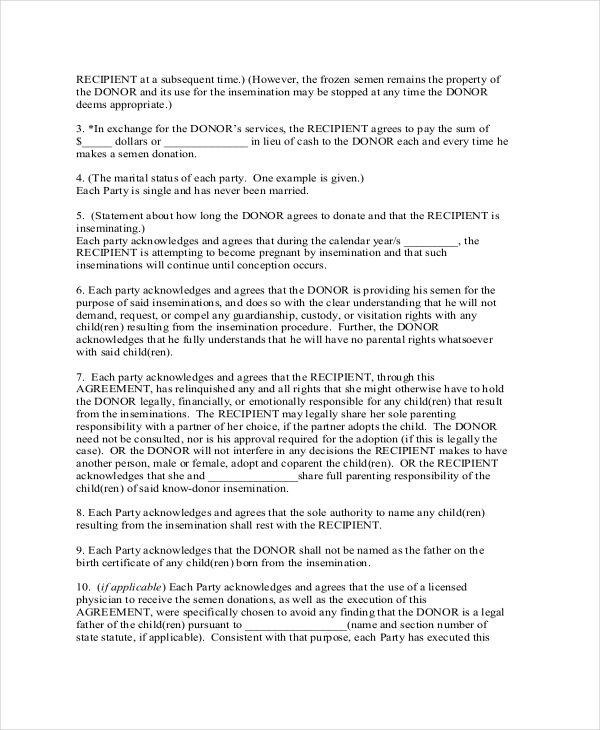 600×730 sample contract forms ms word excel from www.sampleforms.com
  585×620 legal templates microsoft word legal agreement template from www.heritagechristiancollege.com
  1236×1600 microsoft word legal document template aimclever from aimclever.weebly.com
  728×939 document template microsoft word form contract png clipart area from imgbin.com
  767×536 legal contract template word apple pages from www.besttemplates.com
  600×730 legal contract template word template from enterstarcrypticcity.blogspot.com
  585×634 legal contract templates word google docs documents from www.template.net
  1275×1650 legal templates microsoft word letter template from lattermanband.com
  612×842 legal templates microsoft word legal letter template microsoft from www.heritagechristiancollege.com