
Short-term Freelance Project Contract
Understanding Short-Term Freelance Project Contracts
Freelancing offers flexibility and autonomy, but it also requires a solid understanding of contracts. A short-term freelance project contract is a legally binding agreement between a freelancer and a client, outlining the scope of work, deliverables, payment terms, and other crucial details for a specific, time-limited project. It’s the bedrock of a successful and mutually beneficial freelancing relationship.
Why a Contract is Essential
Skipping the contract might seem tempting for small or quick projects, but it’s a recipe for potential disputes and headaches. A well-crafted contract provides clarity, protects both parties, and fosters a professional working environment.
- Clarity and Alignment: It ensures both the freelancer and client have a shared understanding of the project’s goals, expectations, and responsibilities. Misunderstandings are minimized when everything is clearly defined in writing.
- Protection from Disputes: In the event of a disagreement about payment, deliverables, or timelines, the contract serves as a reference point for resolving the issue. It outlines the agreed-upon terms and conditions.
- Payment Security: The contract specifies the payment schedule, rates, and acceptable payment methods, providing the freelancer with assurance that they will be compensated fairly for their work.
- Intellectual Property Rights: It clearly defines who owns the intellectual property created during the project, preventing future disputes over copyright or ownership.
- Professionalism and Trust: Having a contract demonstrates professionalism and builds trust between the freelancer and the client. It signals a commitment to a serious and well-defined working relationship.
Key Elements of a Short-Term Freelance Contract
A comprehensive short-term freelance project contract should include the following elements:
- Parties Involved: Clearly identify the freelancer (including their legal name or business name) and the client (including their company name and contact person).
- Project Description: Provide a detailed description of the project, including its objectives, scope, and specific deliverables. Be as precise as possible to avoid ambiguity. This section should answer questions like: What is the project? What needs to be accomplished? What are the expected outcomes?
- Scope of Work: Outline the specific tasks and responsibilities that the freelancer is responsible for completing. Specify what is included in the project and, importantly, what is *not* included. This prevents “scope creep,” where the client attempts to add extra work without additional compensation.
- Timeline and Deadlines: Define the project’s start date, key milestones, and final completion date. Include specific deadlines for deliverables. Consider adding clauses that address potential delays and extensions.
- Payment Terms: Clearly state the agreed-upon payment rate (hourly, project-based, or retainer), payment schedule (e.g., upon completion, bi-weekly, milestone-based), and acceptable payment methods (e.g., bank transfer, PayPal, credit card). Specify late payment penalties, if any.
- Intellectual Property (IP) Ownership: Specify who owns the copyright and other intellectual property rights to the work created during the project. Typically, the client owns the IP upon full payment, but this can be negotiated. Consider including clauses regarding licensing rights if the freelancer retains some ownership.
- Confidentiality Clause (NDA): If the project involves access to confidential information, include a confidentiality clause (Non-Disclosure Agreement) that protects the client’s sensitive data. This clause should define what constitutes confidential information and outline the freelancer’s obligations regarding its use and disclosure.
- Termination Clause: Define the conditions under which either party can terminate the contract. Include details about notice periods, payment obligations for work completed, and procedures for returning materials.
- Revisions and Amendments: Outline the process for making changes to the contract after it’s been signed. Typically, amendments require written agreement from both parties.
- Liability and Indemnification: Consider including clauses that limit the freelancer’s liability for damages and protect the client from claims arising from the freelancer’s work. This section often requires legal advice.
- Governing Law and Dispute Resolution: Specify the jurisdiction whose laws will govern the contract. Outline the process for resolving disputes, such as mediation or arbitration.
- Signatures: Include spaces for both the freelancer and client to sign and date the contract. Signatures indicate agreement to the terms and conditions outlined in the document.
Negotiating the Contract
The contract is not a take-it-or-leave-it document. It’s an opportunity for both the freelancer and the client to negotiate terms that are fair and mutually beneficial. Don’t hesitate to ask questions, suggest changes, or seek clarification on any points that are unclear or unfavorable.
- Payment Rates: Research industry standards to ensure your rates are competitive and reflect your experience and skills. Be prepared to justify your rates to the client.
- Scope of Work: Carefully review the scope of work and ensure it accurately reflects the tasks and responsibilities you are willing to undertake. Don’t hesitate to push back on requests that fall outside your expertise or exceed the agreed-upon workload.
- Deadlines: Be realistic about your capacity and set deadlines that are achievable. Factor in potential delays and unforeseen circumstances.
- Intellectual Property: Consider the implications of transferring all IP rights to the client. If you want to retain some ownership or licensing rights, negotiate this upfront.
Getting Legal Advice
While many freelance contracts can be adapted from templates, it’s always a good idea to consult with an attorney, especially for complex or high-value projects. An attorney can review the contract, identify potential risks, and ensure that your interests are protected.
Tools and Resources
Several online resources and tools can help you create and manage freelance contracts:
- Contract Templates: Numerous websites offer free or paid contract templates that can be customized to fit your specific needs. Examples include legalzoom.com and docracy.com.
- Project Management Software: Tools like Asana, Trello, and Monday.com can help you track project progress, manage deadlines, and communicate with clients.
- Accounting Software: Software like QuickBooks and FreshBooks can help you track your income and expenses, create invoices, and manage your finances.
By understanding the importance of a short-term freelance project contract and taking the time to create a comprehensive and well-negotiated agreement, you can protect yourself, build strong client relationships, and pave the way for a successful freelancing career.
 680×880 freelance contract template word from legaltemplates.net
  791×1024 freelance contract template from freewordtemplates.net
  1024×326 freelance contract template essentials template pdfword from www.ryrob.com
 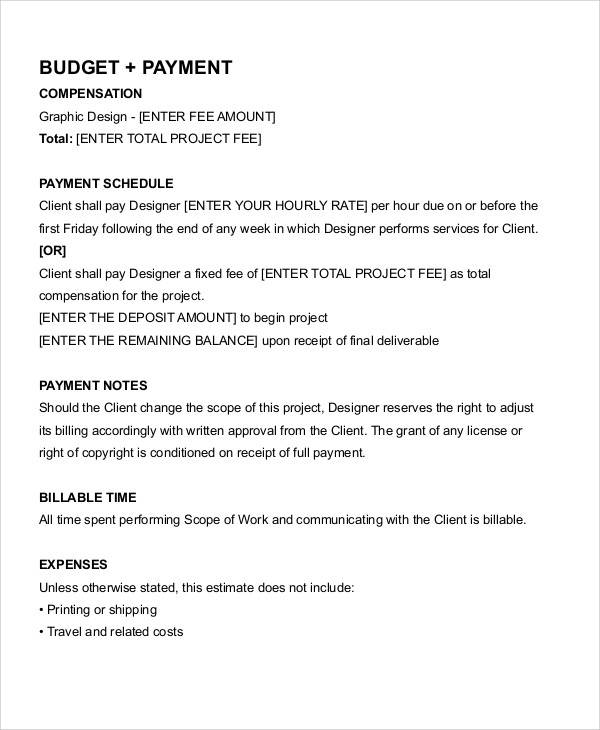 600×730 freelance contract templates google docs ms word apple from www.sampletemplates.com