
Binding Agreement Letter Template USA
“`html
A binding agreement letter, crucial in American business and legal contexts, serves as a legally enforceable document outlining the terms and conditions of a mutual agreement between two or more parties. It establishes clear obligations, responsibilities, and consequences for non-compliance, providing a framework for a successful and mutually beneficial relationship.
Key Components of a Binding Agreement Letter Template (USA)
While specific content varies based on the agreement’s nature, several core elements are consistently present in a robust binding agreement letter template used in the United States. These elements contribute to clarity, enforceability, and overall legal soundness.
- Heading and Introduction: The letter should begin with a clear heading, such as “Binding Agreement,” “Contract Agreement,” or a more specific title reflecting the agreement’s subject matter. The introduction identifies the parties involved by their full legal names and addresses. It also states the effective date of the agreement.
- Recitals (Background): Often included, recitals provide context for the agreement. They explain the purpose of the agreement, the motivations of each party, and any relevant background information. While not strictly binding terms themselves, recitals can be valuable for interpreting the agreement’s intent if disputes arise. Recitals typically begin with “WHEREAS…”
- Definitions: Defining key terms is critical to avoid ambiguity. This section clarifies the meaning of specific words or phrases used throughout the agreement, ensuring that all parties have a shared understanding of their implications. For example, if the agreement involves specific products or services, define them precisely.
- Agreement/Scope of Work: This is the heart of the agreement. It clearly and comprehensively outlines the specific obligations of each party. For services, it details the scope of work to be performed, deliverables, timelines, and any performance standards. For sales agreements, it specifies the goods being sold, quantity, quality, and any warranties. Each party’s responsibilities should be explicitly stated using active voice and avoiding vague or ambiguous language.
- Payment Terms: This section outlines the payment schedule, amount, currency, and method of payment. It should also address issues such as late payment penalties, interest charges, and acceptable forms of payment (e.g., check, wire transfer, credit card). If milestones are tied to payments, these should be clearly defined.
- Term and Termination: Specify the duration of the agreement (the “term”). Also, outline the conditions under which the agreement can be terminated by either party. These conditions might include breach of contract, insolvency, or mutual agreement. The notice period required for termination should also be stated clearly. Include procedures for termination, such as written notice requirements.
- Confidentiality: If the agreement involves the exchange of confidential information, a confidentiality clause is essential. This clause defines what constitutes confidential information and outlines the recipient’s obligations to protect it. It typically prohibits the disclosure of confidential information to third parties and restricts its use to the purposes outlined in the agreement. Consider including exceptions for legally required disclosures.
- Intellectual Property: If the agreement involves the creation or transfer of intellectual property rights (e.g., copyrights, patents, trademarks), this section defines the ownership and usage rights. It specifies who owns the intellectual property created under the agreement and outlines any licenses or restrictions on its use.
- Warranties and Disclaimers: Warranties are promises or guarantees made by one party to another. Disclaimers limit or exclude certain liabilities. Clearly state any warranties being offered (e.g., warranty of merchantability, warranty of fitness for a particular purpose) and any disclaimers that apply. Comply with the requirements of the Uniform Commercial Code (UCC) regarding warranties.
- Limitation of Liability: This clause limits the amount of damages that a party can be held liable for in the event of a breach of contract. It often excludes liability for consequential damages (e.g., lost profits). Consult with legal counsel to ensure that the limitation of liability clause is enforceable under applicable state law.
- Indemnification: An indemnification clause requires one party to protect another party from certain losses or liabilities. For example, a contractor might agree to indemnify a homeowner against claims arising from the contractor’s negligence. Carefully consider the scope of the indemnification obligation and ensure that it is insurable.
- Governing Law and Venue: Specify the state law that will govern the interpretation and enforcement of the agreement. Also, designate the specific court or jurisdiction where any legal disputes will be resolved. Choosing a convenient and predictable jurisdiction can save time and expense in the event of litigation.
- Dispute Resolution: Outline the process for resolving disputes. This might include negotiation, mediation, or arbitration. Arbitration can be a faster and less expensive alternative to litigation. Specify the rules and procedures that will govern the arbitration process.
- Force Majeure: This clause excuses a party’s performance if it is prevented or delayed by events beyond their reasonable control, such as natural disasters, acts of war, or government regulations. Define the events that will constitute force majeure and outline the consequences of such an event.
- Entire Agreement/Integration Clause: This clause states that the written agreement constitutes the entire agreement between the parties and supersedes any prior or contemporaneous agreements or understandings, whether oral or written. This helps to prevent disputes based on alleged prior agreements.
- Severability: This clause provides that if any provision of the agreement is held to be invalid or unenforceable, the remaining provisions will remain in full force and effect. This helps to preserve the agreement’s overall validity.
- Amendment: State that the agreement can only be amended in writing, signed by both parties. This prevents oral modifications from being enforced.
- Notices: Specify the method and address for sending official notices under the agreement. This ensures that all notices are properly delivered and received.
- Signatures: The agreement must be signed and dated by all parties. Each party should print their name below their signature. Consider including a place for witnesses to sign as well. Ensure that the individuals signing the agreement have the authority to bind their respective organizations.
Importance of Legal Review
It is crucial to consult with an attorney experienced in contract law to review any binding agreement letter template before using it. An attorney can ensure that the agreement is legally sound, enforceable under applicable law, and tailored to the specific circumstances of the transaction. A generic template may not adequately address the unique risks and considerations involved in your situation. Legal review can help prevent costly disputes and ensure that your interests are protected.
State Law Variations
Contract law is primarily governed by state law in the United States. Therefore, the specific requirements for a binding agreement can vary from state to state. It is essential to understand the laws of the state that governs the agreement and to ensure that the agreement complies with those laws. For example, certain types of contracts may be required to be in writing to be enforceable under the statute of frauds.
Conclusion
A well-drafted binding agreement letter template is a vital tool for establishing clear expectations, protecting your interests, and fostering successful business relationships. By including the essential components outlined above and seeking legal review, you can create a legally sound and enforceable agreement that provides a solid foundation for your business ventures.
“`
 880×1243 binding agreement parties template google docs word from www.template.net
  1036×1337 legally binding agreement template uk template resume examples from www.contrapositionmagazine.com
  700×901 legally binding agreement template template resume examples from www.childforallseasons.com
  1768×2500 legally binding contract template collection from lesboucans.com
  605×595 sample legally binding agreement templates printable samples from www.printablesample.com
  553×694 sample legally binding agreement templates from www.printablesample.com
  1275×1650 agreement legally binding contract template hq printable documents from whoamuu.blogspot.com
  585×635 agreement legally binding contract template tutoreorg master from tutore.org
  1024×1446 binding financial agreement template google docs word apple pages from www.template.net
  569×667 legally binding agreement template printable samples from www.printablesample.com
  1275×1650 legally binding agreement template template from enterstarcrypticcity.blogspot.com
 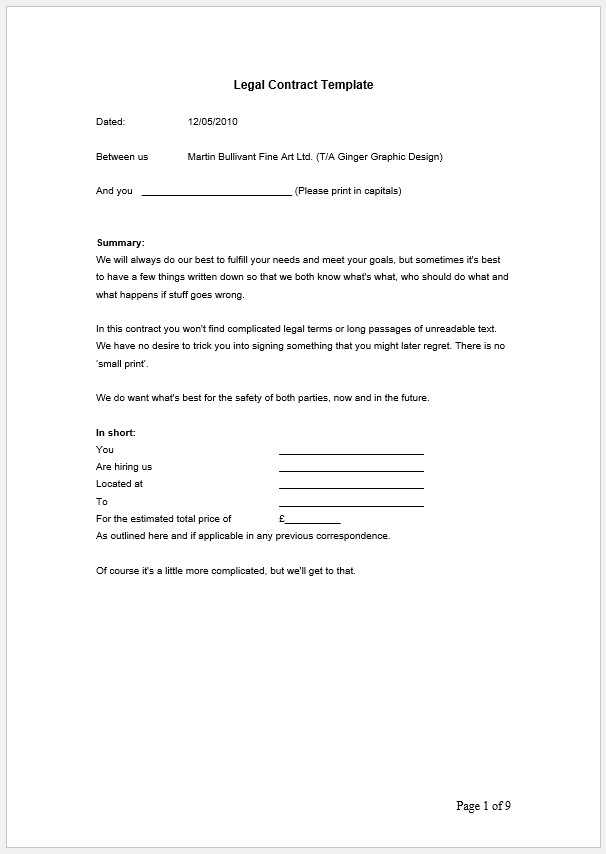 606×854 editable legally binding contract template from www.templateral.com