
One-page Contract Agreement Format
One-Page Contract Agreement: A Streamlined Approach
A contract is a legally binding agreement between two or more parties. While complex transactions often require lengthy, detailed contracts, many simpler agreements can be effectively documented in a single-page format. This streamlined approach offers numerous advantages, including clarity, speed of execution, and reduced legal costs. This document explores the elements of a well-crafted one-page contract agreement and the circumstances where it’s most appropriate.
Understanding the Appeal of Single-Page Contracts
Traditional contracts can be daunting. Their length and legal jargon can be intimidating, leading to misunderstandings and delays. A one-page contract eliminates much of this complexity. Its brevity forces the drafter to focus on the essential terms, making the agreement easier to understand and review. This is particularly beneficial in situations where time is of the essence or where parties are entering into a relatively straightforward agreement. The advantages of a one-page contract include: * **Clarity and Simplicity:** Easier to understand, reducing the risk of misinterpretation. * **Faster Negotiation and Execution:** Quicker review and approval process. * **Reduced Legal Costs:** Less time spent drafting and reviewing by legal professionals. * **Improved Accessibility:** More accessible to parties with limited legal expertise. * **Enhanced Efficiency:** Streamlines the contracting process.
When is a One-Page Contract Suitable?
While appealing, a one-page contract isn’t suitable for every situation. It’s best reserved for agreements that are relatively simple, involving a limited number of terms and minimal risk. Examples include: * **Simple Service Agreements:** Agreements for basic services, such as lawn mowing or tutoring. * **Short-Term Leases:** Rental agreements for short periods, like vacation rentals. * **Sale of Goods (Small Value):** Transactions involving the sale of tangible goods with a lower monetary value. * **Confidentiality Agreements (NDAs) with Limited Scope):** Agreements to protect confidential information in a limited context. * **Simple Loan Agreements:** Agreements for small loans between individuals. * **Payment Plans:** Agreements that outline a simple payment schedule. * **Event Photography Agreements:** Agreements for event photographers specifying services and payment. * **Basic Consulting Agreements:** Agreements that outline the scope, deliverables, and payment terms of consulting services. One-page contracts are *not* appropriate for complex transactions involving significant financial risk, complex legal issues, or multiple parties with potentially conflicting interests. These situations demand the comprehensive protection offered by a more detailed contract.
Essential Elements of a One-Page Contract
Despite its brevity, a one-page contract must contain certain essential elements to be legally enforceable. These elements are similar to those found in longer contracts, but they are presented in a more concise manner. 1. **Parties:** Clearly identify the parties entering into the agreement, including their full legal names and addresses. 2. **Agreement Title:** A concise title describing the subject matter of the agreement (e.g., “Service Agreement,” “Sales Agreement,” “Loan Agreement”). 3. **Effective Date:** The date on which the agreement becomes legally binding. 4. **Scope of Agreement/Services:** Clearly define the goods or services being provided. Be specific and avoid ambiguity. For a service agreement, describe the services in detail, including any deliverables. For a sales agreement, specify the items being sold. 5. **Payment Terms:** Specify the total price, payment schedule, and acceptable methods of payment. Include any late payment penalties. 6. **Term/Duration:** State the length of the agreement. This could be a specific date or a defined period. If the agreement is ongoing, clearly state the terms for termination. 7. **Confidentiality (If Applicable):** If confidential information is being exchanged, include a brief confidentiality clause. Define what constitutes confidential information and the obligations of the receiving party. 8. **Termination Clause:** Outline the conditions under which either party can terminate the agreement. This might include breach of contract, failure to perform, or simply a desire to end the agreement with proper notice. 9. **Governing Law:** Specify the state or jurisdiction whose laws will govern the interpretation and enforcement of the agreement. 10. **Dispute Resolution:** Include a brief clause outlining the method of dispute resolution, such as mediation or arbitration. This can help avoid costly litigation. 11. **Entire Agreement Clause (Integration Clause):** State that the written agreement constitutes the entire agreement between the parties and supersedes any prior agreements or understandings, whether oral or written. 12. **Amendments:** Specify how the agreement can be amended or modified. Generally, amendments should be in writing and signed by both parties. 13. **Severability:** Include a severability clause, which states that if any provision of the agreement is found to be invalid or unenforceable, the remaining provisions will remain in full force and effect. 14. **Signatures:** Include signature lines for each party, along with spaces for their printed names and dates.
Formatting Considerations for One-Page Clarity
The formatting of a one-page contract is crucial for readability. Use clear and concise language, avoid legal jargon, and use a font size that is easy to read. Consider using bullet points or numbered lists to break up large blocks of text. Use headings and subheadings to organize the information. Ample whitespace can make the document less intimidating and easier to comprehend.
Example Snippets
* **Scope of Services:** “Provider agrees to mow Client’s lawn weekly, trimming edges and blowing debris from walkways. Services will be performed every Saturday, weather permitting.” * **Payment Terms:** “Client shall pay Provider $50 per mowing session. Payment is due upon completion of each service. Late payments are subject to a $10 late fee.” * **Confidentiality:** “Recipient agrees to keep all information disclosed by Discloser confidential and shall not disclose such information to any third party without Discloser’s prior written consent.” * **Termination:** “Either party may terminate this agreement with 30 days written notice.”
Potential Pitfalls and How to Avoid Them
While one-page contracts offer benefits, they also come with potential risks: * **Oversimplification:** The desire for brevity can lead to the omission of important details, creating ambiguity and potential disputes. *Solution:* Carefully consider all relevant terms and ensure they are clearly and unambiguously stated. * **Lack of Legal Expertise:** Drafting a contract without legal advice can lead to unintended consequences. *Solution:* Consult with an attorney to review the contract and ensure it adequately protects your interests. * **Unforeseen Circumstances:** A one-page contract may not adequately address unforeseen circumstances that could arise during the term of the agreement. *Solution:* Consider including a clause addressing force majeure or other potential contingencies.
Conclusion
A well-drafted one-page contract can be a valuable tool for simplifying agreements and expediting business transactions. By focusing on essential terms, using clear language, and carefully considering the scope of the agreement, you can create a legally binding document that is easy to understand and enforce. However, it’s crucial to recognize the limitations of this format and to seek legal advice when dealing with complex or high-risk transactions. A one-page contract is a tool best used when its simplicity matches the agreement’s context.
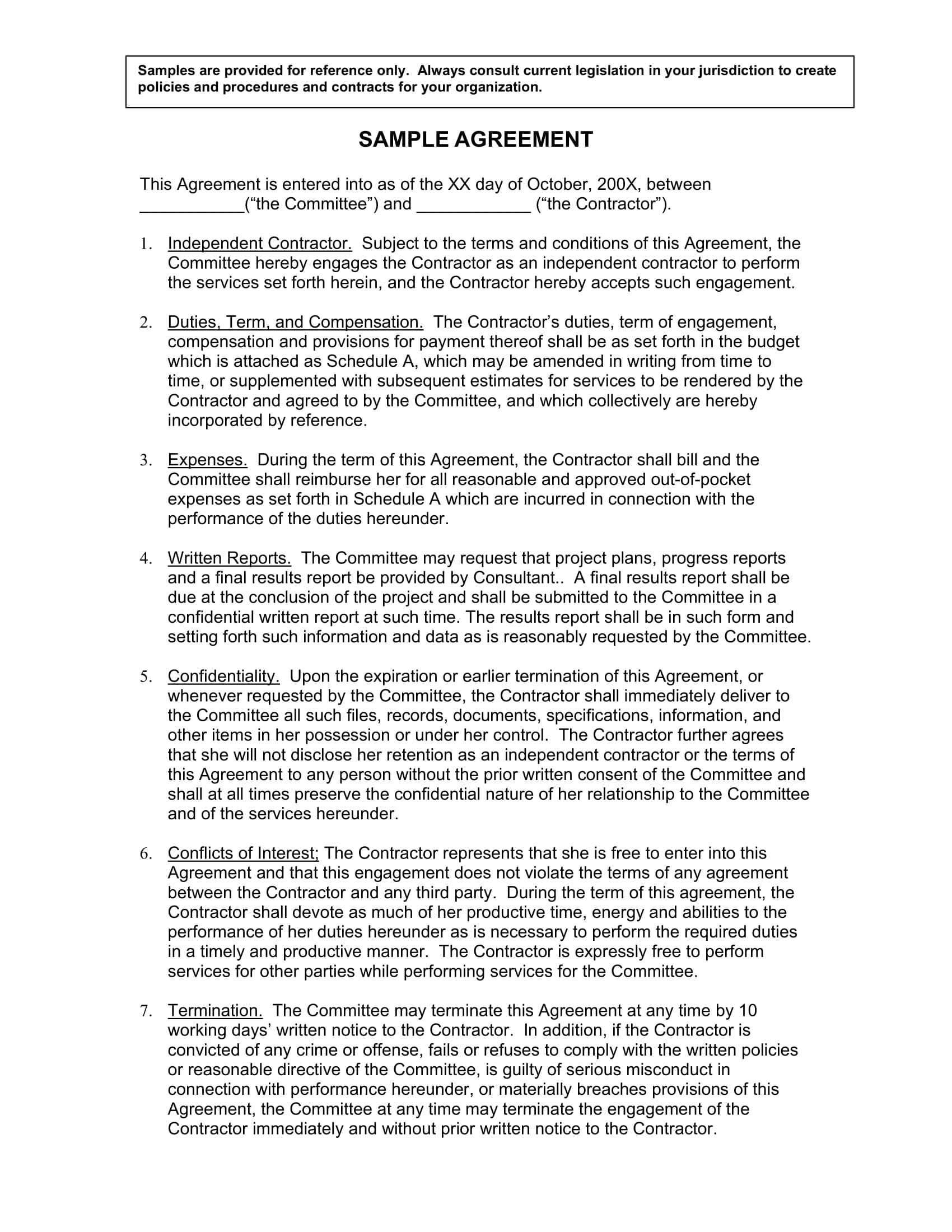 1700×2200 printable agreement examples examples from www.examples.com
  793×1026 page contract template sampletemplatess sampletemplatess from www.sampletemplatess.com
  800×1168 page agreement template template from enterstarcrypticcity.blogspot.com
  770×1024 contract agreement format fill sign printable template from www.uslegalforms.com
  1275×1650 sample contract agreement printable documents from londonmedarb.com
 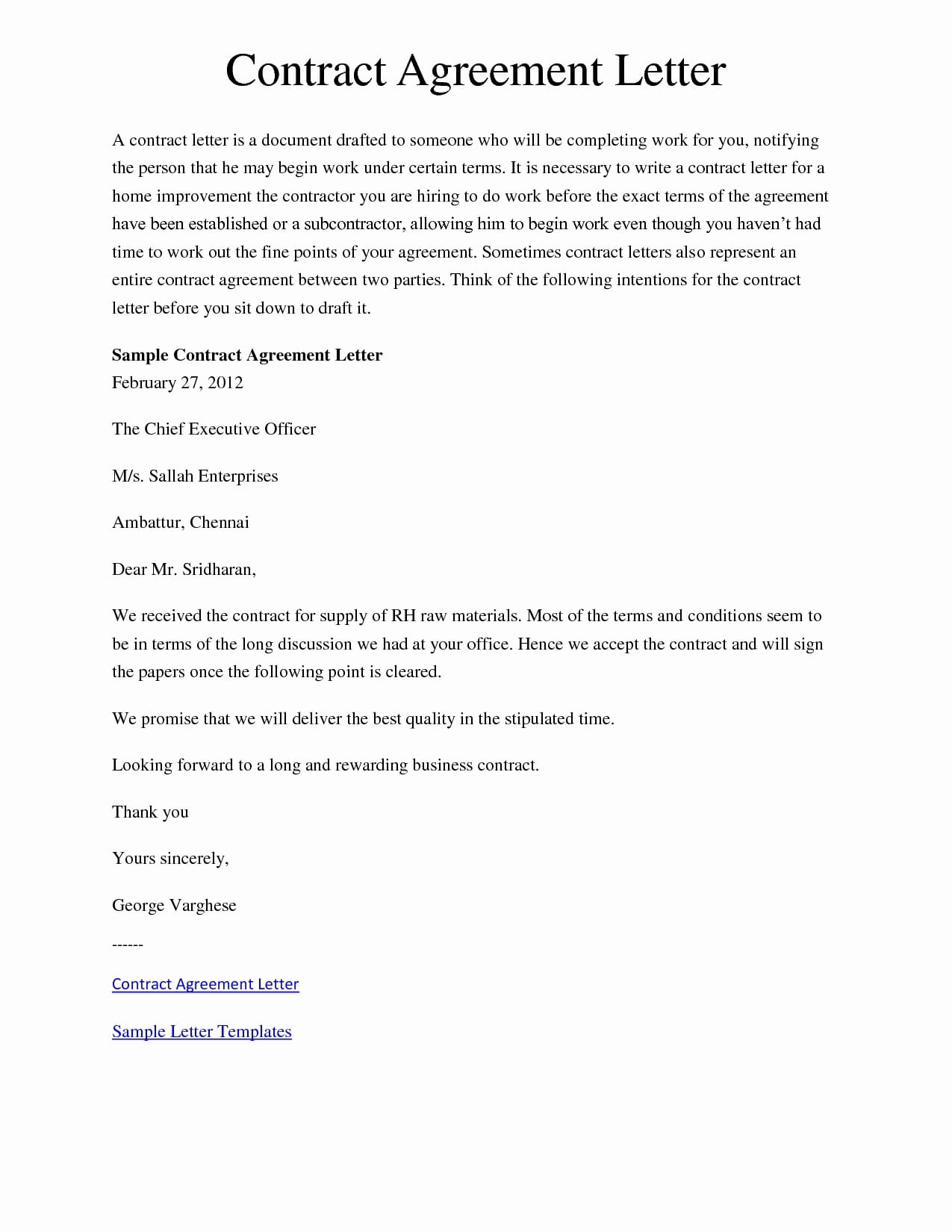 1275×1650 contract agreement letter examples from www.examples.com