
Intellectual Property Transfer Agreement
Intellectual Property Transfer Agreement: A Comprehensive Overview
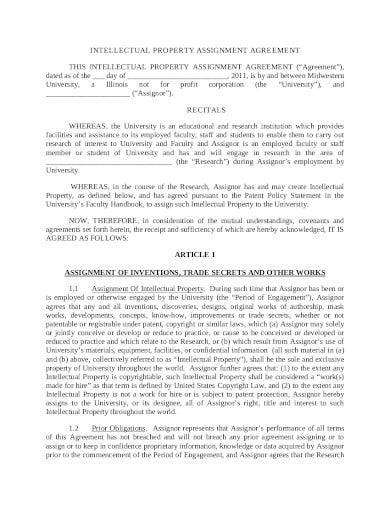
An Intellectual Property Transfer Agreement (IPTA), also frequently referred to as an Assignment Agreement, is a legally binding contract that facilitates the transfer of ownership rights related to intellectual property (IP) from one party (the assignor) to another (the assignee). This transfer is comprehensive, meaning the assignee gains the complete bundle of rights associated with the IP, including the rights to use, sell, modify, license, and enforce those rights against infringement. IPTAs are critical instruments in various business transactions, including mergers and acquisitions, technology licensing, research collaborations, and employment agreements.
Key Components of an IP Transfer Agreement
A well-drafted IPTA should meticulously address several critical elements to ensure clarity, enforceability, and the protection of both the assignor’s and assignee’s interests.
1. Identification of the Intellectual Property
This is arguably the most crucial aspect of the agreement. The IP being transferred must be clearly and unambiguously defined. For patents, this involves specifying the patent numbers, titles, and jurisdictions. For trademarks, it includes registration numbers, the mark itself, and the goods or services associated with the mark. Copyrights require specifying the work, author, registration number (if applicable), and the scope of the copyrighted material (e.g., software code, literary work, artistic creation). Trade secrets, while harder to define, need a detailed description outlining the specific information considered confidential and proprietary.
2. Scope of the Transfer
The agreement must explicitly define the scope of the rights being transferred. This includes specifying whether the transfer is exclusive or non-exclusive. An exclusive transfer grants the assignee sole ownership and the right to exploit the IP, preventing the assignor from using it. A non-exclusive transfer allows the assignor to retain the right to use the IP, potentially even licensing it to other parties. Geographically, the agreement should specify the territories where the transfer applies. A global transfer grants rights worldwide, while a limited transfer restricts rights to specific countries or regions. Furthermore, the duration of the transfer must be stipulated. The transfer could be perpetual, meaning it lasts indefinitely, or for a defined term, such as the remaining lifespan of a patent.
3. Consideration
Like any valid contract, an IPTA requires consideration – something of value exchanged between the parties. This can take various forms, including a lump-sum payment, royalties based on future sales or usage of the IP, stock options, or other in-kind considerations. The consideration must be clearly stated in the agreement and be deemed adequate by both parties. The agreement should also specify the timing and method of payment.
4. Representations and Warranties
Representations and warranties are statements made by the assignor regarding the IP being transferred. These statements provide assurances to the assignee about the validity and ownership of the IP. Typical representations include statements that the assignor has the right to transfer the IP, that the IP does not infringe on the rights of any third party, and that there are no existing liens or encumbrances on the IP. A breach of these warranties can give the assignee the right to seek legal remedies, such as damages or rescission of the agreement.
5. Indemnification
The indemnification clause protects the assignee from potential liabilities arising from the IP. This clause typically requires the assignor to defend and indemnify the assignee against any claims, losses, damages, or expenses resulting from the assignee’s use of the IP. For instance, if a third party claims that the transferred IP infringes their patent, the indemnification clause would obligate the assignor to cover the assignee’s legal costs and any potential damages awarded to the third party.
6. Governing Law and Dispute Resolution
The agreement should specify the jurisdiction whose laws will govern the interpretation and enforcement of the agreement. This is particularly important when the parties are located in different jurisdictions. The agreement should also outline the method for resolving any disputes that may arise, such as arbitration or mediation. Choosing a specific jurisdiction and dispute resolution mechanism can save time and resources in the event of a disagreement.
7. Due Diligence
Before finalizing an IPTA, the assignee should conduct thorough due diligence to verify the assignor’s ownership of the IP and to assess its value and potential risks. This includes searching patent and trademark databases, reviewing existing licenses, and evaluating any potential infringement issues. Due diligence helps the assignee make an informed decision about the transfer and avoid potential legal or financial problems down the line.
Types of IP That Can Be Transferred
IP Transfer Agreements can be used for various types of intellectual property, including but not limited to:
- Patents: Protect inventions, granting exclusive rights to make, use, and sell the invention for a specific period.
- Trademarks: Protect brand names and logos, preventing others from using similar marks that could cause confusion among consumers.
- Copyrights: Protect original works of authorship, such as literary works, music, and software.
- Trade Secrets: Protect confidential information that provides a competitive edge, such as formulas, processes, and customer lists.
Importance of Legal Counsel
Drafting and negotiating an IPTA is a complex legal process that requires the expertise of experienced intellectual property attorneys. An attorney can help ensure that the agreement accurately reflects the parties’ intentions, protects their respective interests, and complies with applicable laws. They can also assist with conducting due diligence and resolving any disputes that may arise. Attempting to create an IPTA without professional legal guidance can lead to unintended consequences and potentially costly legal battles.
Conclusion
Intellectual Property Transfer Agreements are essential tools for businesses looking to buy, sell, or license intellectual property. By carefully addressing the key components outlined above and seeking expert legal advice, parties can ensure a smooth and legally sound transfer of IP rights, minimizing the risk of future disputes and maximizing the value of the intellectual property.
 390×505 intellectual property agreement templates from www.template.net
  390×505 intellectual property agreement samples ms word from www.sampletemplates.com
  834×1077 intellectual property agreement sample from signaturely.com
  303×400 intellectual property agreement sample signwell from www.signwell.com
  455×591 intellectual property agreement template sample approveme from www.approveme.com