
Tenant Eviction Clause Contract Sample
Tenant Eviction Clause Contract Sample: A Comprehensive Overview
A clearly defined eviction clause is a crucial component of any lease agreement. It outlines the specific circumstances under which a landlord can legally terminate the tenancy and regain possession of the property. This article provides a detailed overview of a sample tenant eviction clause, explaining its key elements and legal considerations.
Importance of a Clear Eviction Clause
Without a well-defined eviction clause, disputes between landlords and tenants can escalate quickly and become costly legal battles. A clear clause protects both parties by:
- Defining acceptable reasons for eviction: Specifying the behaviors or circumstances that constitute a breach of the lease agreement and warrant eviction.
- Outlining the eviction process: Describing the required steps the landlord must take before initiating formal eviction proceedings, such as providing written notice.
- Protecting landlord rights: Ensuring the landlord has a legal recourse to remove a tenant who violates the lease terms or damages the property.
- Protecting tenant rights: Ensuring the tenant understands the circumstances under which they can be evicted and has a fair opportunity to remedy any violations.
- Minimizing legal challenges: Reducing the likelihood of disputes and potential lawsuits related to eviction procedures.
Sample Tenant Eviction Clause Contract
Below is a sample eviction clause. This is a general example, and you should always consult with a qualified legal professional to ensure the clause complies with your local and state laws.
Section [Number]: Termination of Tenancy and Eviction
A. Breach of Lease: The Tenant shall be in default of this Lease if any of the following events occur:
- Non-Payment of Rent: Failure to pay rent in full within [Number] days of the due date specified in Section [Rent Payment Section Number] of this Lease.
- Violation of Lease Terms: Any violation of the covenants, conditions, rules, or regulations contained in this Lease, including but not limited to, unauthorized subletting, keeping unauthorized pets, causing excessive noise, damaging the property, or engaging in illegal activities on the premises.
- Abandonment of Premises: The Tenant abandons the premises, defined as the Tenant vacating the premises without notice to the Landlord and failing to pay rent for [Number] consecutive days, or removing substantially all of their personal property from the premises.
- Material Misrepresentation: Providing false or misleading information on the Rental Application, including but not limited to income, employment, or credit history.
B. Landlord’s Remedies: Upon the occurrence of any event of default as described in Section A above, the Landlord shall have the following remedies, in addition to any other rights and remedies available at law or in equity:
- Notice to Cure: The Landlord shall provide the Tenant with written notice of the default, specifying the nature of the default and the actions required to cure the default. The Tenant shall have [Number] days from the date of the notice to cure the default, except for non-payment of rent, in which case the cure period shall be [Number] days. This “notice to cure” is not required for abandonment of the premises.
- Termination of Lease: If the Tenant fails to cure the default within the applicable cure period, the Landlord may terminate this Lease by providing the Tenant with written notice of termination, effective [Number] days from the date of the notice.
- Eviction Proceedings: Upon termination of this Lease, the Landlord may initiate eviction proceedings in accordance with applicable law to regain possession of the premises.
- Damages: The Tenant shall be liable for all damages sustained by the Landlord as a result of the Tenant’s default, including but not limited to, unpaid rent, costs of repairing damage to the property, costs of re-renting the property, and attorney’s fees.
C. Waiver: No waiver by the Landlord of any default by the Tenant under this Lease shall be deemed a waiver of any subsequent default. The Landlord’s acceptance of rent with knowledge of a default shall not constitute a waiver of such default.
D. Compliance with Laws: All eviction proceedings shall be conducted in strict compliance with all applicable federal, state, and local laws and regulations.
Explanation of Key Elements
- Breach of Lease (Section A): This section clearly defines what constitutes a violation of the lease agreement. Common grounds for eviction include non-payment of rent, property damage, illegal activities, and violation of rules regarding pets or noise. The specific terms should be detailed and unambiguous.
- Landlord’s Remedies (Section B): This section outlines the landlord’s options when a tenant breaches the lease. Typically, this involves providing written notice to the tenant to correct the violation (a “notice to cure”). If the tenant fails to comply within a specified timeframe, the landlord can then proceed with eviction proceedings. The section also states the landlord’s right to recover damages caused by the tenant’s breach.
- Notice to Cure: This crucial element gives the tenant an opportunity to rectify the violation before eviction proceedings begin. The clause specifies the timeframe for the tenant to address the issue, which is typically shorter for non-payment of rent.
- Termination of Lease: This section clarifies that the landlord has the right to formally end the lease agreement if the tenant fails to cure the default within the given timeframe. A written notice of termination is usually required.
- Eviction Proceedings: This section acknowledges the landlord’s right to pursue legal eviction through the courts if the tenant refuses to vacate the premises after the lease has been terminated. It also emphasizes the importance of following all applicable laws.
- Damages: This section confirms the tenant’s financial responsibility for damages incurred by the landlord due to the tenant’s breach of the lease. This can include unpaid rent, repair costs, and costs associated with finding a new tenant.
- Waiver (Section C): This section clarifies that the landlord’s failure to enforce a particular lease term in one instance does not prevent them from enforcing it in the future. For example, accepting late rent one month doesn’t mean the landlord waives their right to enforce the timely rent payment requirement in subsequent months.
- Compliance with Laws (Section D): This statement reinforces the requirement that all eviction actions must comply with relevant federal, state, and local laws. Eviction laws vary significantly by jurisdiction, so this is a critical element.
Legal Considerations
- State and Local Laws: Eviction laws are governed primarily by state and local regulations. Landlords must be intimately familiar with the laws in their jurisdiction to ensure their eviction process is legally sound. Consulting with a real estate attorney is strongly recommended.
- Notice Requirements: The specific type and length of notice required before initiating eviction proceedings vary depending on the reason for eviction and the applicable laws. Failure to provide proper notice can invalidate the eviction.
- Retaliatory Eviction: Landlords cannot evict a tenant in retaliation for reporting code violations, requesting repairs, or exercising other legal rights. Such actions are illegal and can result in significant penalties.
- Fair Housing Laws: Landlords must comply with all fair housing laws, which prohibit discrimination based on race, religion, national origin, sex, familial status, or disability. Eviction actions based on discriminatory motives are illegal.
- Self-Help Eviction: Landlords are generally prohibited from engaging in “self-help” eviction methods, such as changing the locks or forcibly removing a tenant’s belongings without a court order. These actions can expose the landlord to legal liability.
Conclusion
A well-drafted eviction clause is essential for a comprehensive lease agreement. By clearly outlining the grounds for eviction, the procedures involved, and the rights and responsibilities of both parties, it can help prevent disputes and ensure a fair and legally compliant eviction process. Remember to consult with a qualified legal professional to tailor the clause to your specific needs and ensure compliance with all applicable laws in your jurisdiction. This sample clause is a starting point and should not be used without legal review.
 150×150 tenant eviction letter printable documents from londonmedarb.com
  710×855 tenant eviction letter template letter template collection from simpleartifact.com
  600×730 eviction notice templates google docs ms word from www.sampletemplates.com
 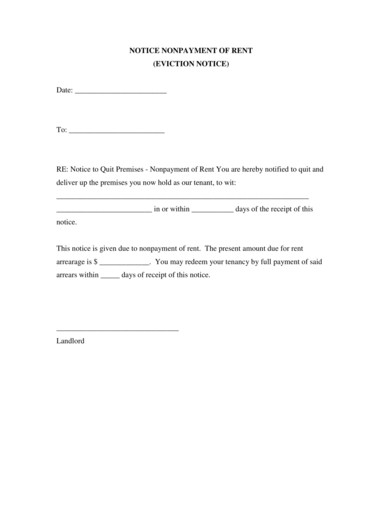 390×505 tenant eviction letter examples from www.examples.com
  1700×2200 letter eviction tenant collection letter template collection from simpleartifact.com
  965×1265 printable eviction notice template mous syusa from moussyusa.com
  712×539 tenant eviction notice template sampletemplatess sampletemplatess from www.sampletemplatess.com
  790×1118 eviction notice templates word templatelab from templatelab.com
  588×756 eviction letter tenant gotilo from gotilo.org