
Independent Contractor Non-compete Clause
Non-Compete Agreements for Independent Contractors: A Detailed Overview
Non-compete agreements, also known as covenants not to compete, are contractual provisions that restrict an individual’s ability to work for a competitor, start a competing business, or solicit clients or employees after their relationship with a company ends. While frequently used with traditional employees, their enforceability and application to independent contractors presents a complex legal landscape that varies significantly by jurisdiction.
The Core Question: Are Non-Competes Enforceable Against Independent Contractors?
The fundamental question boils down to whether a non-compete agreement is reasonable and necessary to protect a legitimate business interest. Courts are generally more skeptical of non-competes than other contractual provisions, particularly when applied to independent contractors, because they restrain trade and limit an individual’s ability to earn a living. The underlying rationale is that independent contractors, unlike employees who often have more direct training and investment from the company, are typically retained for their pre-existing skills and expertise.
The enforceability hinges on several factors, each of which must be carefully considered:
1. Legitimate Business Interest
A non-compete must protect a legitimate business interest of the company. This is the cornerstone of any enforceable non-compete. Acceptable interests typically include:
* Trade Secrets: Protecting confidential formulas, processes, designs, customer lists, and other proprietary information that gives the company a competitive advantage. * Confidential Information: Less sensitive than trade secrets, but still important data like pricing strategies, marketing plans, or client preferences. * Goodwill: The reputation and customer relationships the company has built. This is especially relevant if the independent contractor had significant interaction with the company’s clients. * Specialized Training: If the company invested significantly in providing the independent contractor with specialized training that goes beyond their pre-existing skills, a non-compete might be justified to prevent the contractor from using that training for a competitor. However, this is less common with independent contractors.
A company cannot simply use a non-compete to prevent competition in general. They must demonstrate a specific and identifiable interest that is being threatened.
2. Reasonableness of Scope
Even if a legitimate business interest exists, the non-compete must be reasonable in its scope. This includes three key aspects:
* Geographic Scope: The geographic area covered by the restriction must be limited to the area where the company actually does business and where the independent contractor’s activities could realistically harm the company. A nationwide or global restriction is rarely enforceable unless the company operates on that scale. * Temporal Scope (Duration): The duration of the restriction must be reasonable. Courts are wary of long-term restrictions, often finding anything longer than one or two years difficult to justify, especially for independent contractors. The shorter the duration, the more likely a court is to uphold the agreement. * Scope of Activities: The restriction must be narrowly tailored to the specific activities that the independent contractor performed for the company and that could potentially harm the company’s legitimate business interests. A broad prohibition against working in an entire industry is unlikely to be enforceable.
If any of these aspects are deemed unreasonable, a court may modify (blue pencil) the agreement to make it enforceable, or strike it down entirely.
3. Consideration
Like any contract, a non-compete requires valid consideration – something of value exchanged between the parties. For employees, continued employment is often sufficient consideration. For independent contractors, consideration might include a higher payment rate, access to confidential information, or a longer contract term. The consideration must be adequate and bargained for; a nominal or insignificant amount may not be sufficient.
4. State Law Variations
The enforceability of non-competes varies significantly from state to state. Some states, like California, generally prohibit non-competes except in very limited circumstances (such as the sale of a business). Other states, like Florida, are more willing to enforce reasonable non-competes. It is crucial to consult with legal counsel to determine the specific laws of the relevant jurisdiction.
5. Independent Contractor vs. Employee Classification
The classification of the individual as an independent contractor is critical. If a court determines that the individual was misclassified as an independent contractor but should have been considered an employee, the non-compete might be subject to the stricter standards applied to employee agreements.
Drafting Enforceable Non-Compete Agreements for Independent Contractors
To increase the likelihood of enforceability, companies should take the following steps when drafting non-compete agreements for independent contractors:
* Clearly Define the Legitimate Business Interest: Explicitly state the specific trade secrets, confidential information, or goodwill that the company seeks to protect. * Tailor the Scope: Carefully consider the geographic scope, duration, and scope of activities to ensure they are reasonable and directly related to the legitimate business interest. * Provide Adequate Consideration: Offer meaningful consideration in exchange for the non-compete obligation. * Include a Choice of Law Provision: Specify the governing law, keeping in mind the enforceability of non-competes in that jurisdiction. However, a choice of law provision may not be upheld if it is deemed to violate a strong public policy of another state with a more significant connection to the contractor or agreement. * Obtain Legal Counsel: Consult with an attorney experienced in non-compete law to ensure the agreement complies with applicable state laws and is properly drafted.
Alternatives to Non-Compete Agreements
Given the potential for legal challenges and the limitations on enforceability, companies may consider alternative methods to protect their business interests when working with independent contractors:
* Confidentiality Agreements (NDAs): These agreements protect confidential information and trade secrets without restricting the contractor’s ability to work. * Non-Solicitation Agreements: These agreements prevent the contractor from soliciting the company’s clients or employees for a specified period. They are generally viewed more favorably by courts than non-competes. * Assignment of Intellectual Property Agreements: These agreements ensure that the company owns any intellectual property created by the contractor during the engagement. * Careful Contractor Selection: Thoroughly vetting potential contractors and choosing those with a proven track record of ethical behavior can reduce the risk of competition.
Conclusion
Non-compete agreements involving independent contractors are complex and subject to significant legal scrutiny. While they may be enforceable in certain circumstances, companies must carefully consider the legitimate business interest being protected, the reasonableness of the scope, the adequacy of consideration, and the applicable state laws. Consulting with legal counsel is essential to ensure that the agreement is properly drafted and enforceable. Alternatives to non-competes, such as confidentiality agreements and non-solicitation agreements, may provide a more effective and legally sound way to protect business interests.
 800×819 sample independent contractor compete agreement word from www.doctemplates.net
  800×1036 compete agreement templates employee contractor from www.wordtemplatesonline.net
 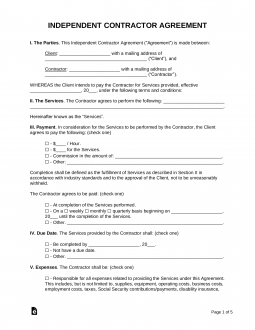 255×330 independent contractor compete agreement word eforms from eforms.com
  1254×836 enforcement competition law florida legal counsel pa from legalcounselpa.com
  532×605 compete clause template template from enterstarcrypticcity.blogspot.com
 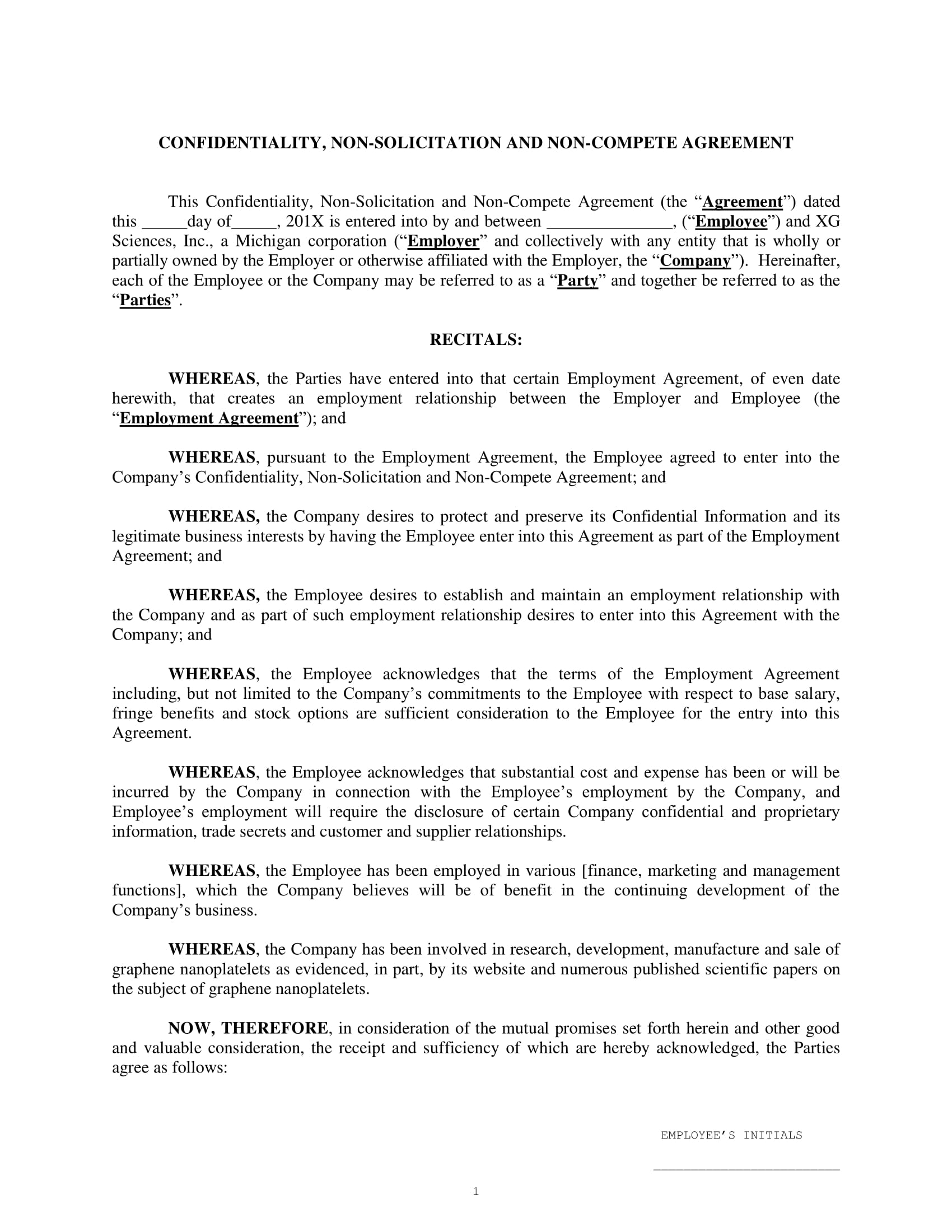 1700×2200 compete agreement examples from www.examples.com
  918×1218 independent contractor compete agreement word from employmentcontracts.com
  800×1057 independent contractor compete agreement template template from enterstarcrypticcity.blogspot.com
  908×1250 consultant compete agreement template word from employmentcontracts.com
 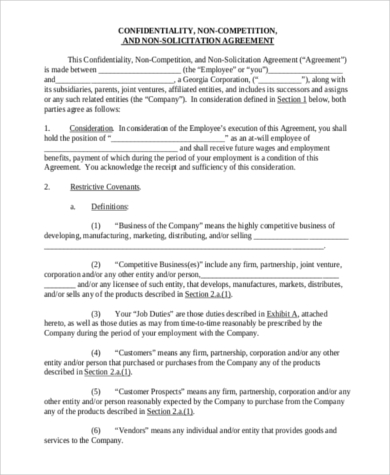 390×475 sample independent contractor agreement forms ms word from www.sampleforms.com
 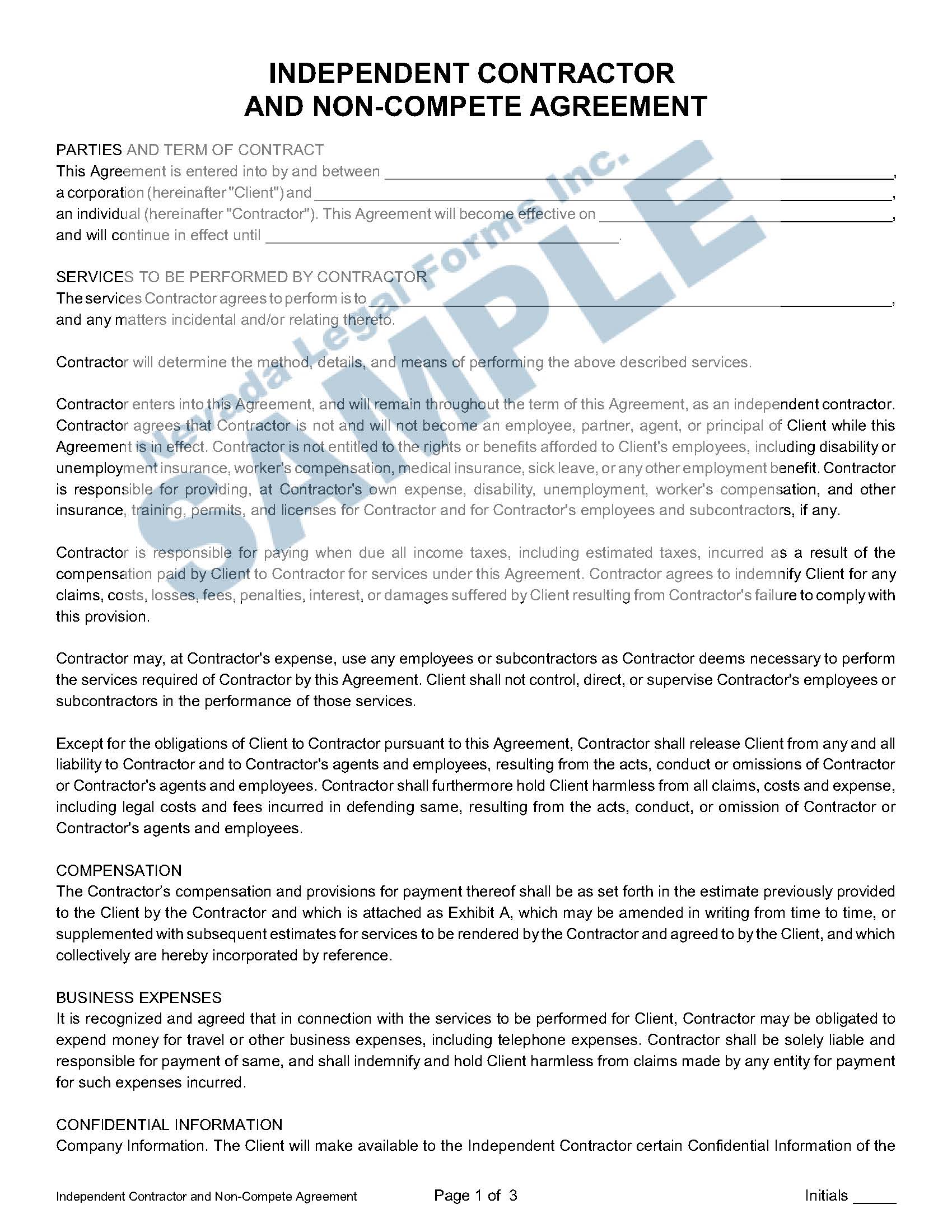 474×613 independent contractor compete agreement nevada legal forms from nevadalegalforms.com
  1932×2500 compete clause worth armando friends template from jackeesuperstar.blogspot.com