
Mutual Termination Agreement Contract
Mutual Termination Agreement: A Comprehensive Overview A mutual termination agreement, also known as a termination agreement, is a legally binding contract between two or more parties to an existing agreement, where all parties voluntarily agree to terminate the original agreement before its natural expiration date. This is a powerful tool for resolving disputes, mitigating potential losses, or simply acknowledging that the initial terms no longer serve the best interests of everyone involved. Unlike unilateral termination, where one party ends the agreement based on a clause within the contract or a breach by the other party, a mutual termination requires consensus and goodwill. **Key Elements of a Mutual Termination Agreement:** A well-drafted mutual termination agreement should include several critical components to ensure clarity, avoid future disputes, and provide legal protection for all parties involved. * **Identification of the Original Agreement:** The agreement must clearly identify the original contract being terminated. This includes the date of the original agreement, the parties involved, and a brief description of the subject matter. This ensures there is no ambiguity about which agreement is being dissolved. * **Agreement to Terminate:** A clear and unambiguous statement indicating that all parties mutually agree to terminate the original agreement. The effective date of the termination should be explicitly stated. This date marks the end of all obligations and rights under the original contract, unless otherwise specified in the termination agreement. * **Release of Claims:** This is a crucial element, often including a mutual release of claims. Each party agrees to release the other from any and all claims, liabilities, or obligations arising from the original agreement, both known and unknown, from the date of the original agreement up to the termination date. The scope of the release should be carefully considered and tailored to the specific circumstances. Parties might exclude specific claims they wish to pursue, outlining these exceptions explicitly in the agreement. * **Confidentiality Clause:** If the original agreement contained a confidentiality clause, the mutual termination agreement should address its ongoing validity or modification. Parties might agree to maintain the confidentiality obligations even after termination, or they may renegotiate the scope of confidentiality. * **Return of Property:** The agreement should detail the return of any property, equipment, documents, or other items belonging to either party. This includes specifying deadlines for the return and procedures for ensuring proper transfer. * **Payment of Outstanding Obligations:** Any outstanding payments, fees, or other financial obligations need to be clearly addressed. The agreement should specify the amounts owed, payment schedules, and any consequences for failure to pay. This might involve a lump-sum payment, a series of installments, or a waiver of certain obligations. * **Governing Law:** The mutual termination agreement, like the original agreement, should specify the governing law that will be used to interpret and enforce the agreement. * **Entire Agreement Clause:** An “entire agreement” clause states that the mutual termination agreement represents the complete and final understanding between the parties, superseding all prior negotiations, discussions, or agreements related to the termination of the original agreement. * **Severability Clause:** A severability clause provides that if any provision of the agreement is found to be invalid or unenforceable, the remaining provisions will remain in full force and effect. * **Signatures:** The agreement must be signed by authorized representatives of each party, indicating their agreement to the terms. The signatures should be dated. **Situations Where a Mutual Termination Agreement is Useful:** * **Changing Business Circumstances:** If a business’s strategy changes or market conditions shift, the original agreement may no longer be beneficial. A mutual termination allows parties to amicably end the contract and pursue new opportunities. * **Unforeseen Difficulties:** Unexpected events, such as economic downturns, natural disasters, or regulatory changes, can make it difficult or impossible for parties to fulfill their obligations under the original agreement. A mutual termination can provide a way to mitigate losses and avoid further complications. * **Disputes and Conflicts:** When parties are experiencing disagreements or conflicts regarding the interpretation or performance of the original agreement, a mutual termination can be a constructive way to resolve the dispute and avoid costly litigation. * **Mergers and Acquisitions:** If one party to an agreement is acquired by another company, the acquiring company may want to terminate existing agreements that are not aligned with its business strategy. A mutual termination is often the preferred method to achieve this. * **Performance Issues:** If one or both parties are not meeting the performance standards outlined in the original agreement, a mutual termination can be a fair way to end the contract and allow each party to pursue alternative solutions. **Benefits of Using a Mutual Termination Agreement:** * **Avoids Litigation:** A mutual termination agreement can prevent costly and time-consuming lawsuits by providing a clear and agreed-upon resolution to the contract. * **Maintains Positive Relationships:** By working together to terminate the agreement amicably, parties can preserve their professional relationships and potentially collaborate on future projects. * **Provides Certainty:** The agreement clearly outlines the terms of termination, reducing ambiguity and the risk of future disputes. * **Offers Flexibility:** Mutual termination allows parties to adapt to changing circumstances and pursue new opportunities. **Potential Pitfalls and Considerations:** * **Careful Drafting:** The agreement must be carefully drafted to ensure it accurately reflects the parties’ intentions and protects their interests. Legal counsel is highly recommended. * **Thorough Review:** All parties should thoroughly review the agreement before signing to ensure they understand the terms and conditions. * **Negotiation:** Reaching a mutually agreeable termination agreement often requires negotiation and compromise. * **Consideration:** While a mutual release of obligations can serve as consideration, it’s important to ensure that each party receives adequate consideration for agreeing to terminate the original agreement. This might involve a payment, a waiver of rights, or other benefits. * **Impact on Third Parties:** The termination of the original agreement may affect the rights of third parties. The mutual termination agreement should address these potential impacts. In conclusion, a mutual termination agreement is a valuable tool for parties who wish to end an existing contract amicably and avoid potential disputes. By carefully considering the key elements of the agreement and seeking legal advice, parties can ensure that the termination is fair, legally sound, and protects their interests.
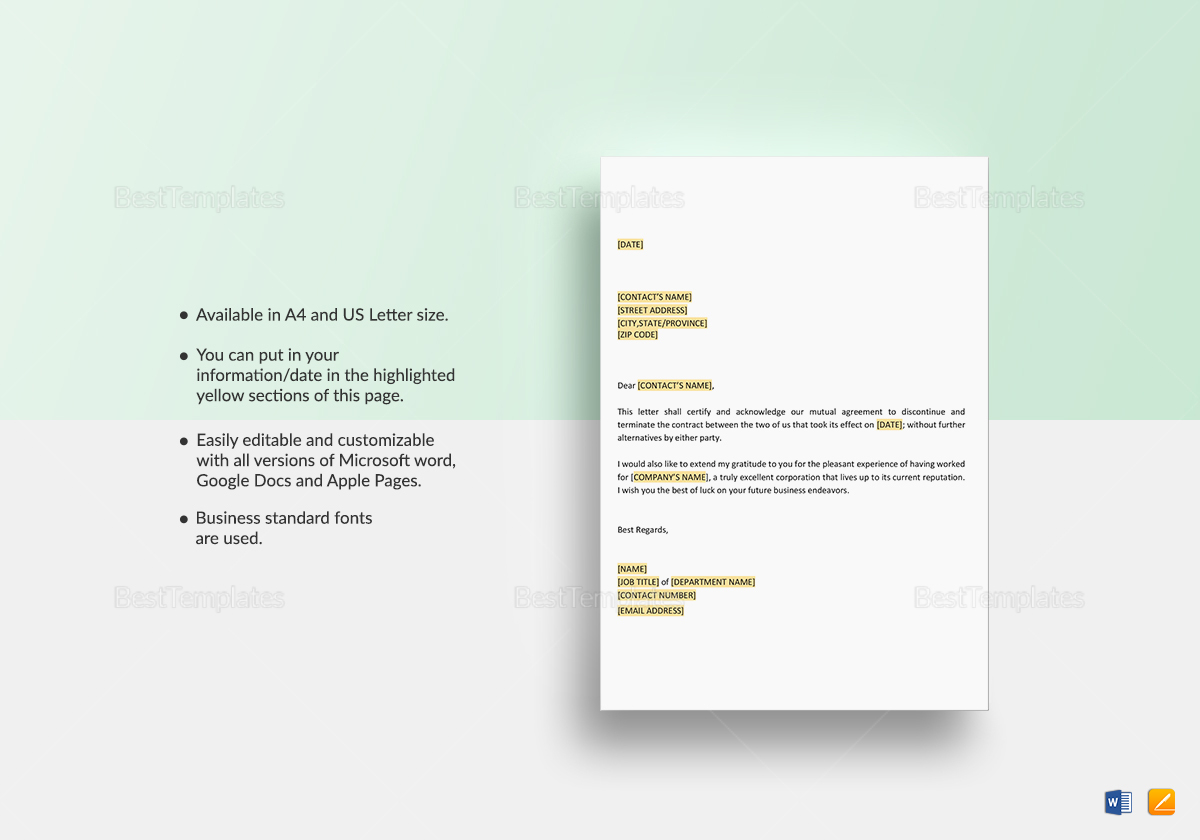 1200×840 mutual termination contract template word google docs apple pages from www.besttemplates.com
  728×943 mutual termination contract from www.formsbirds.com
  600×730 mutual termination agreement sample master template document from belogimannabila.blogspot.com
  788×1018 mutual termination contract sample master template document from belogimannabila.blogspot.com
  600×730 sample contract termination agreement templates ms word from www.sampletemplates.com
  1700×2200 mutual release agreement contract forms ms word from www.sampleforms.com
  1766×1306 mutual contract termination agreement template doctemplates from doctemplates.us
  600×776 mutual agreement termination template template from enterstarcrypticcity.blogspot.com
  800×1035 mutual termination contract nevada legal forms services from nevadalegalforms.com
 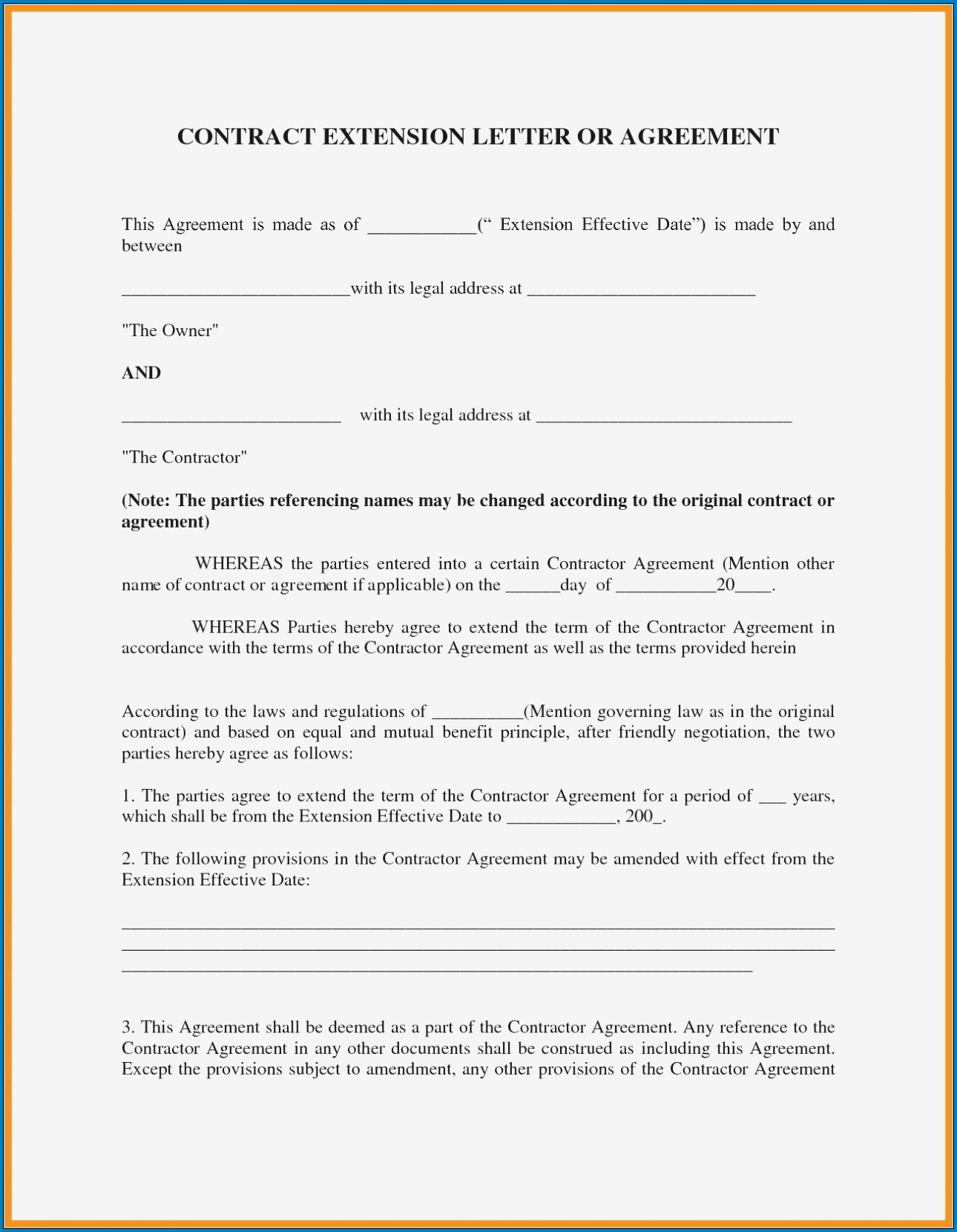 1290×1660 mutual termination contract sample template from enterstarcrypticcity.blogspot.com