
Reusable Contract Form For Business Deals
Reusable contract forms are invaluable tools for businesses of all sizes, offering efficiency, consistency, and risk mitigation in a multitude of commercial transactions. Instead of drafting each contract from scratch, a well-designed template can be adapted to specific deals, saving time and resources while ensuring essential legal protections are included. This approach streamlines operations, reduces the potential for errors, and fosters a more professional image.
Benefits of Using Reusable Contract Forms
The advantages of employing reusable contract forms are numerous and impactful:
- Time Efficiency: Drafting contracts from scratch is a time-consuming process, requiring significant legal expertise and attention to detail. Reusable forms eliminate this bottleneck by providing a pre-existing framework that can be quickly adapted to the specific circumstances of each deal. This allows businesses to close deals faster and focus on other critical aspects of their operations.
- Cost Savings: Engaging legal counsel to draft every contract can be a significant expense. By utilizing reusable forms, businesses can reduce their reliance on external legal services, resulting in substantial cost savings. While it’s still advisable to have a lawyer review the template initially and for complex deals, the ongoing costs are significantly reduced.
- Consistency and Standardization: Reusable forms ensure consistency in the terms and conditions across all similar contracts. This standardization minimizes the risk of ambiguity and conflicting interpretations, making it easier to manage contractual obligations and enforce agreements. Consistency also contributes to a more professional brand image.
- Reduced Risk of Errors and Omissions: A well-drafted reusable form includes all essential clauses and provisions, minimizing the risk of overlooking critical legal protections. This reduces the potential for future disputes and liabilities arising from incomplete or poorly worded contracts.
- Improved Negotiation Position: When a business presents a well-structured and comprehensive contract form, it demonstrates professionalism and preparedness, which can strengthen its negotiation position. The clarity and completeness of the document can inspire confidence and facilitate smoother negotiations.
- Enhanced Legal Compliance: Reusable forms can be designed to comply with relevant laws and regulations, ensuring that all contracts adhere to legal requirements. This helps businesses avoid potential legal challenges and penalties. Regular review and updates by legal counsel are crucial to maintain compliance with evolving laws.
- Easier Contract Management: Standardized contract formats facilitate easier contract management, tracking, and retrieval. This simplifies the process of monitoring contractual obligations, identifying potential issues, and ensuring timely fulfillment of commitments.
Key Elements of a Reusable Contract Form
A well-designed reusable contract form should include the following key elements:
- Identification of Parties: Clearly identify all parties involved in the agreement, including their legal names, addresses, and contact information. Specify the roles and responsibilities of each party.
- Scope of Work/Services/Goods: Define the specific scope of work, services, or goods being provided under the contract. Provide detailed descriptions and specifications to avoid ambiguity and misunderstandings.
- Payment Terms: Outline the payment terms, including the total price, payment schedule, accepted payment methods, and any applicable taxes or fees. Specify consequences for late payments or non-payment.
- Term and Termination: Define the term of the contract (start date and end date) and the conditions under which the contract can be terminated by either party. Specify any penalties or consequences for early termination.
- Confidentiality Clause: Include a confidentiality clause to protect sensitive information shared between the parties during the course of the contract. Define what constitutes confidential information and the obligations of each party to maintain its secrecy.
- Intellectual Property Rights: Clearly define the ownership of intellectual property rights created or used in connection with the contract. Specify whether ownership is retained by one party or shared between the parties.
- Liability and Indemnification: Address liability and indemnification issues, specifying which party is responsible for damages or losses arising from the contract. Include provisions for indemnification to protect one party from liability caused by the other party’s actions.
- Warranty and Disclaimer: Include warranty provisions if applicable, guaranteeing the quality or performance of goods or services. Also, include disclaimers to limit liability for certain types of damages or losses.
- Governing Law and Dispute Resolution: Specify the governing law that will be used to interpret the contract and the methods for resolving disputes, such as mediation, arbitration, or litigation. Choose a jurisdiction that is convenient and favorable to the business.
- Force Majeure Clause: Include a force majeure clause to excuse performance in the event of unforeseen circumstances beyond the control of either party, such as natural disasters, war, or government regulations.
- Entire Agreement Clause: Include an entire agreement clause stating that the written contract constitutes the entire agreement between the parties and supersedes all prior oral or written agreements.
- Amendment Clause: Specify the procedure for amending the contract, typically requiring a written amendment signed by both parties.
- Severability Clause: Include a severability clause stating that if any provision of the contract is found to be invalid or unenforceable, the remaining provisions will remain in effect.
- Signatures and Dates: Provide spaces for all parties to sign and date the contract, indicating their agreement to the terms and conditions.
Developing and Implementing Reusable Contract Forms
Creating effective reusable contract forms requires careful planning and execution:
- Identify Common Contract Types: Analyze the types of contracts the business frequently enters into, such as sales agreements, service agreements, vendor agreements, and employment contracts.
- Consult Legal Counsel: Engage a qualified attorney to draft or review the reusable forms, ensuring they are legally sound and comply with applicable laws.
- Customize the Forms: Tailor the forms to meet the specific needs of the business, incorporating relevant industry standards and best practices.
- Provide Training and Guidance: Train employees on how to use the forms correctly, emphasizing the importance of accuracy and completeness. Develop guidelines and checklists to ensure consistent application of the forms.
- Regularly Review and Update: Periodically review and update the forms to reflect changes in laws, regulations, and business practices. Consult with legal counsel to ensure the forms remain compliant and effective.
- Utilize Contract Management Software: Consider using contract management software to streamline the process of creating, storing, and tracking contracts. These tools can automate many aspects of contract management, improving efficiency and reducing the risk of errors.
Conclusion
Reusable contract forms are powerful tools for businesses seeking to streamline their operations, reduce costs, and mitigate risks. By investing in well-designed templates and implementing a robust contract management process, businesses can create a solid foundation for successful commercial transactions.
 768×1024 business contract template templates word excel from www.formsbirds.com
  575×709 business contract template business sales agreement sample from www.rocketlawyer.com
  662×1024 business sale agreement form from www.buysampleforms.com
 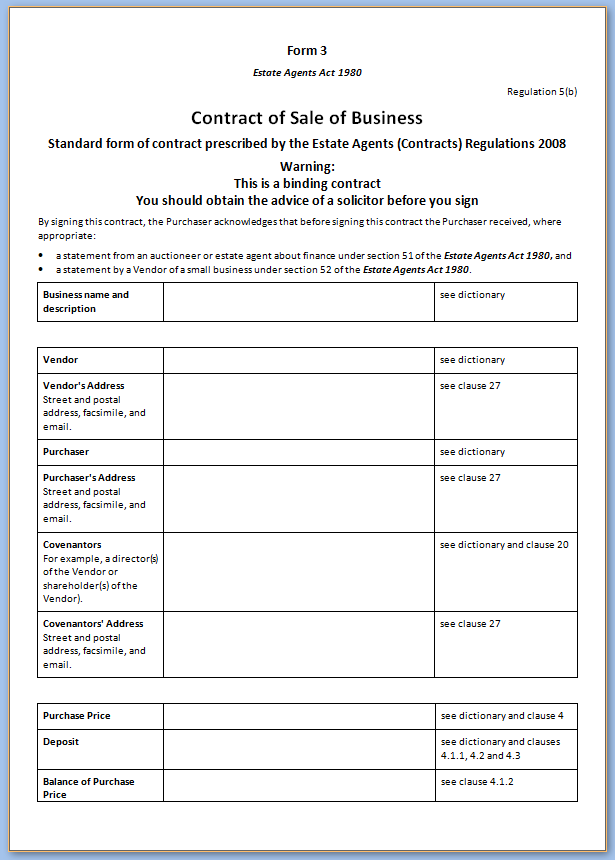 615×860 printable sales contract business from www.templateral.com
 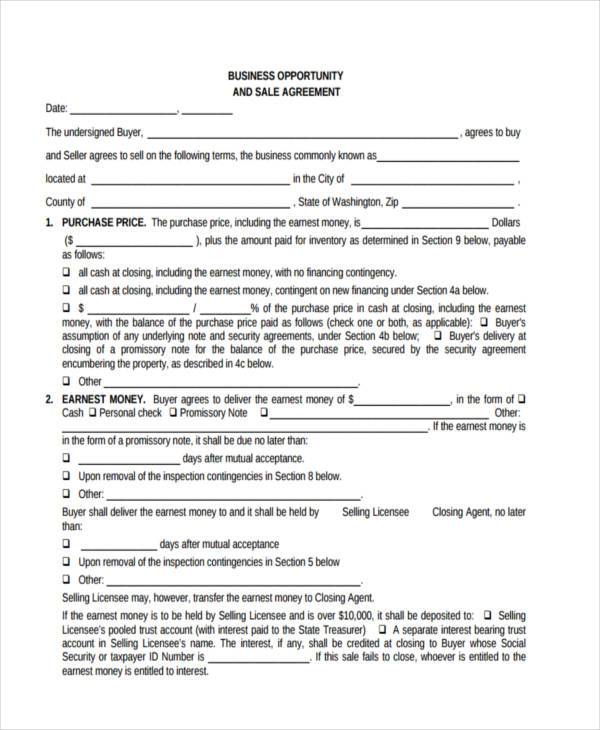 600×730 sample business contract forms ms word from www.sampleforms.com
  434×1024 business sale contract form sample forms from www.buysampleforms.com
  792×1024 template ideas contract templates small business sale from vancecountyfair.com
  407×527 basic sale business agreement formville from www.formville.com
 Related For Reusable Contract Form For Business Deals
Contract For Freelance Consultant S
“`html Contract for Freelance Consultant Services This Contract for