
Software Developer Agreement Contract
Software Developer Agreement Contract: A Comprehensive Overview
A Software Developer Agreement contract, also known as a software development agreement or a software engineering contract, is a legally binding document outlining the terms and conditions under which a software developer or development team agrees to provide software development services to a client. This contract is crucial for protecting the interests of both parties, ensuring clarity, and mitigating potential disputes that may arise during the development process. The agreement should be meticulously drafted to encompass all relevant aspects of the project, from scope and timelines to ownership and liability.
Key Components of a Software Developer Agreement
Several key components are typically included in a comprehensive Software Developer Agreement:
1. Parties Involved
Clearly identify both the client (the party commissioning the software) and the developer (the individual or company providing the development services). Include full legal names, addresses, and contact information for all parties.
2. Scope of Work (SOW)
This is arguably the most important section of the agreement. It details the specific software to be developed, including its features, functionalities, specifications, and any required integrations with existing systems. The SOW should be as detailed and unambiguous as possible to prevent misunderstandings about what is expected. It might include:
- A description of the software’s purpose and intended users.
- A list of specific features and functionalities.
- Technical specifications, such as programming languages, platforms, and frameworks to be used.
- Acceptance criteria that define how the software will be tested and evaluated to ensure it meets the agreed-upon requirements.
3. Timeline and Milestones
Establish a realistic timeline for the project, broken down into specific milestones with corresponding deadlines. This helps track progress, manage expectations, and provide a framework for addressing potential delays. The agreement should outline procedures for handling changes to the timeline and the potential consequences of missed deadlines.
4. Payment Terms
Specify the payment structure, including the total project cost, payment schedule, and accepted methods of payment. Common payment structures include:
- Fixed Price: A pre-agreed price for the entire project, regardless of the time spent.
- Time and Materials: Payment based on the actual time spent working on the project at an agreed-upon hourly or daily rate, plus reimbursement for materials.
- Milestone-Based: Payments are made upon completion of specific milestones outlined in the SOW.
The agreement should also address how change requests or scope creep will affect the project cost and timeline.
5. Intellectual Property Ownership
Clearly define who owns the intellectual property (IP) rights to the software. Typically, the client will want to own the IP, especially if they are paying for the development. However, the agreement may specify different arrangements, such as the developer retaining ownership and granting the client a license to use the software. This section should also address ownership of any pre-existing code or third-party libraries used in the development process.
6. Confidentiality
Include a confidentiality clause to protect sensitive information shared between the parties during the project. This is especially important if the software involves proprietary data or processes. The clause should specify the types of information considered confidential, the obligations of each party to protect the information, and the duration of the confidentiality obligation.
7. Warranties and Disclaimers
Outline any warranties provided by the developer regarding the functionality and performance of the software. This may include a warranty that the software will conform to the specifications outlined in the SOW and will be free from material defects for a certain period. The agreement should also include disclaimers of other warranties, such as implied warranties of merchantability or fitness for a particular purpose.
8. Limitation of Liability
This section limits the financial liability of each party in the event of a breach of contract or other claim. Common limitations include capping liability at the total amount paid under the agreement or excluding liability for consequential damages, such as lost profits.
9. Termination Clause
Specify the conditions under which either party can terminate the agreement. This may include breach of contract, insolvency, or material failure to perform. The agreement should also outline the consequences of termination, such as the payment of outstanding fees or the transfer of ownership of work completed up to the point of termination.
10. Dispute Resolution
Establish a mechanism for resolving disputes that may arise during the project. This may include negotiation, mediation, or arbitration. Specifying a dispute resolution process can help avoid costly and time-consuming litigation.
11. Governing Law
Specify the jurisdiction whose laws will govern the agreement. This is important because laws vary from state to state and country to country.
12. Acceptance Testing
Describe the acceptance testing procedure the software will undergo before final delivery and acceptance. This ensures that the software meets the agreed-upon requirements and functions as intended.
Importance of a Well-Drafted Agreement
A well-drafted Software Developer Agreement is essential for several reasons:
- Clarity and Expectations: It clearly defines the roles, responsibilities, and expectations of each party, minimizing the risk of misunderstandings and disputes.
- Protection of Intellectual Property: It protects the client’s investment in the software by clearly defining ownership of the intellectual property.
- Risk Mitigation: It helps mitigate risks associated with the project, such as delays, cost overruns, and performance issues.
- Legal Recourse: It provides a legal framework for resolving disputes and enforcing the terms of the agreement.
Seeking Legal Advice
Given the complexity of software development projects and the potential legal implications, it is highly recommended that both clients and developers seek legal advice from experienced attorneys before entering into a Software Developer Agreement. An attorney can help ensure that the agreement accurately reflects the parties’ intentions, protects their interests, and complies with applicable laws.
In conclusion, a comprehensive and well-drafted Software Developer Agreement is a critical tool for ensuring the success of software development projects. By addressing key issues such as scope of work, timelines, payment terms, and intellectual property ownership, the agreement provides a solid foundation for a productive and mutually beneficial relationship between the client and the developer.
 1018×1440 software development agreement template oneflow from oneflow.com
  728×942 software development contract template sample contract from www.heritagechristiancollege.com
 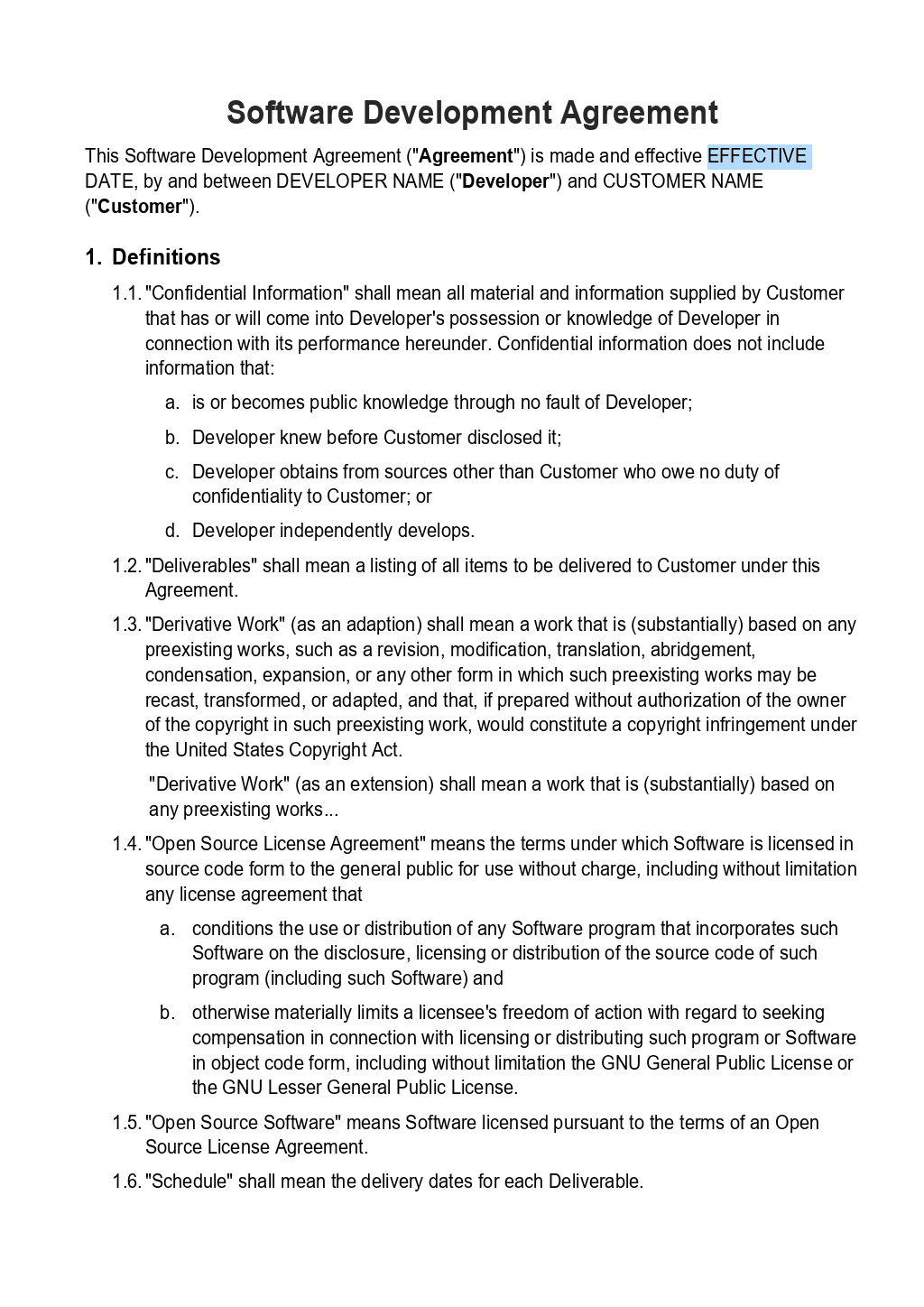 1024×1448 software development agreement template onlyoffice from oforms.onlyoffice.com
 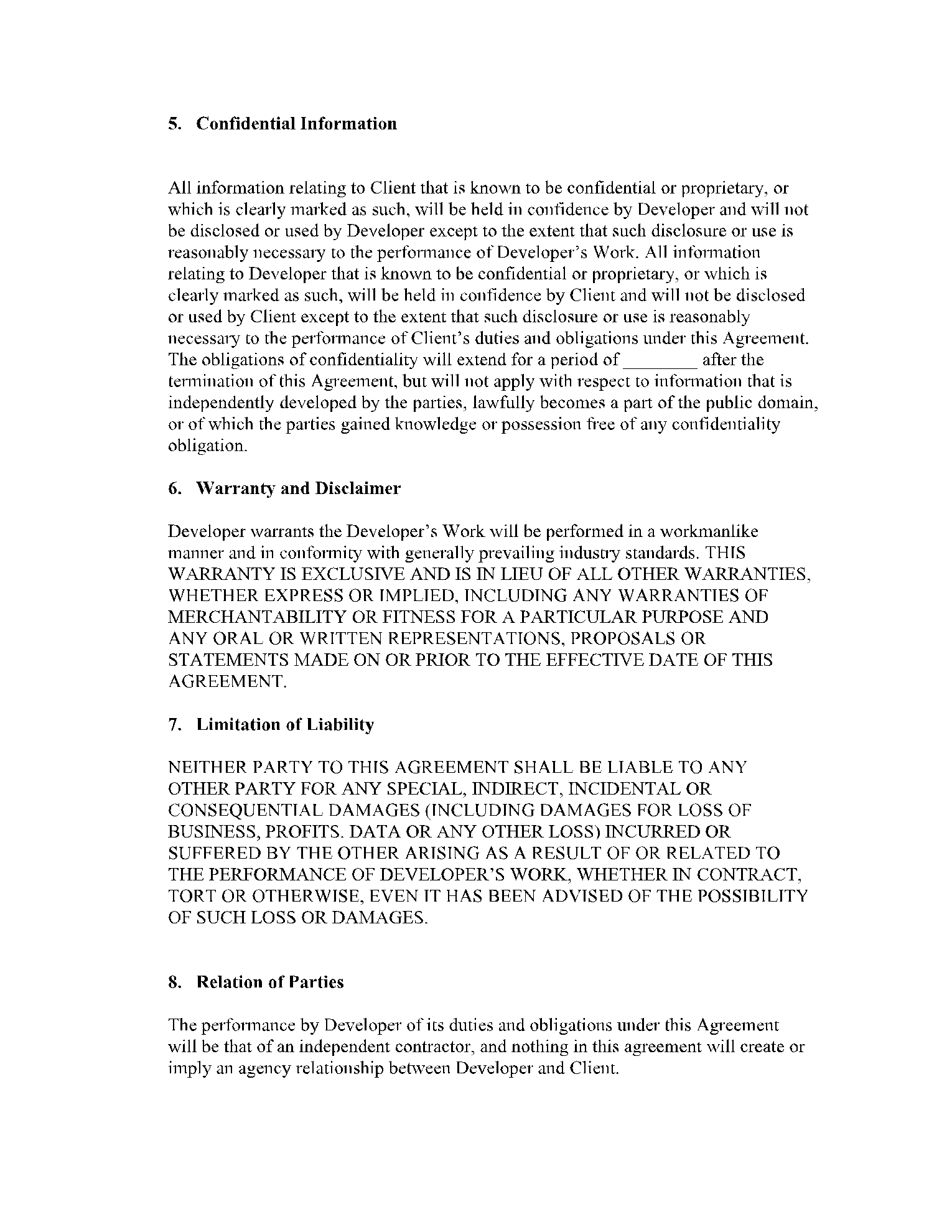 1530×1980 software development agreement from cocosign.com
 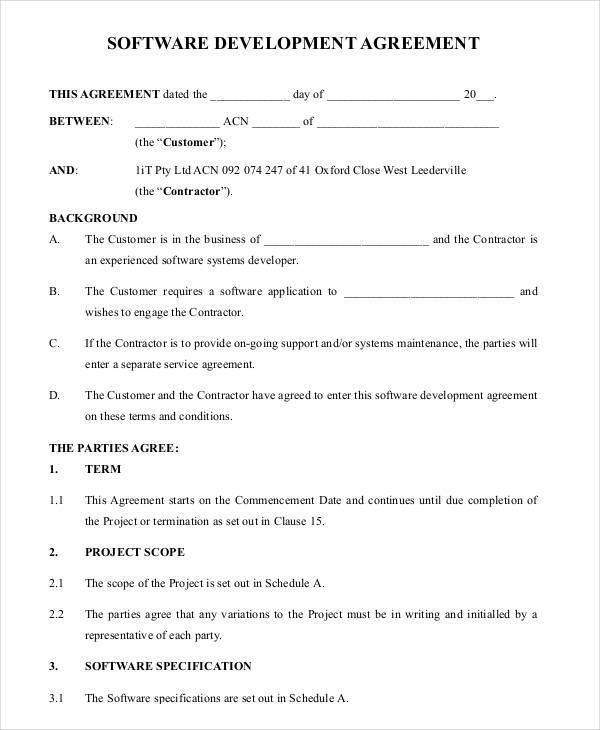 600×730 software contract template from old.sermitsiaq.ag
  728×943 custom software development agreement from www.formsbirds.com
  768×1024 software development contract template templates word from www.formsbirds.com
  1000×1290 software warranty agreement template sfivebandcom from www.sfiveband.com
  1200×800 comprehensive guide software development agreement from stratoflow.com
  2380×3368 software development contract template from templates.rjuuc.edu.np
 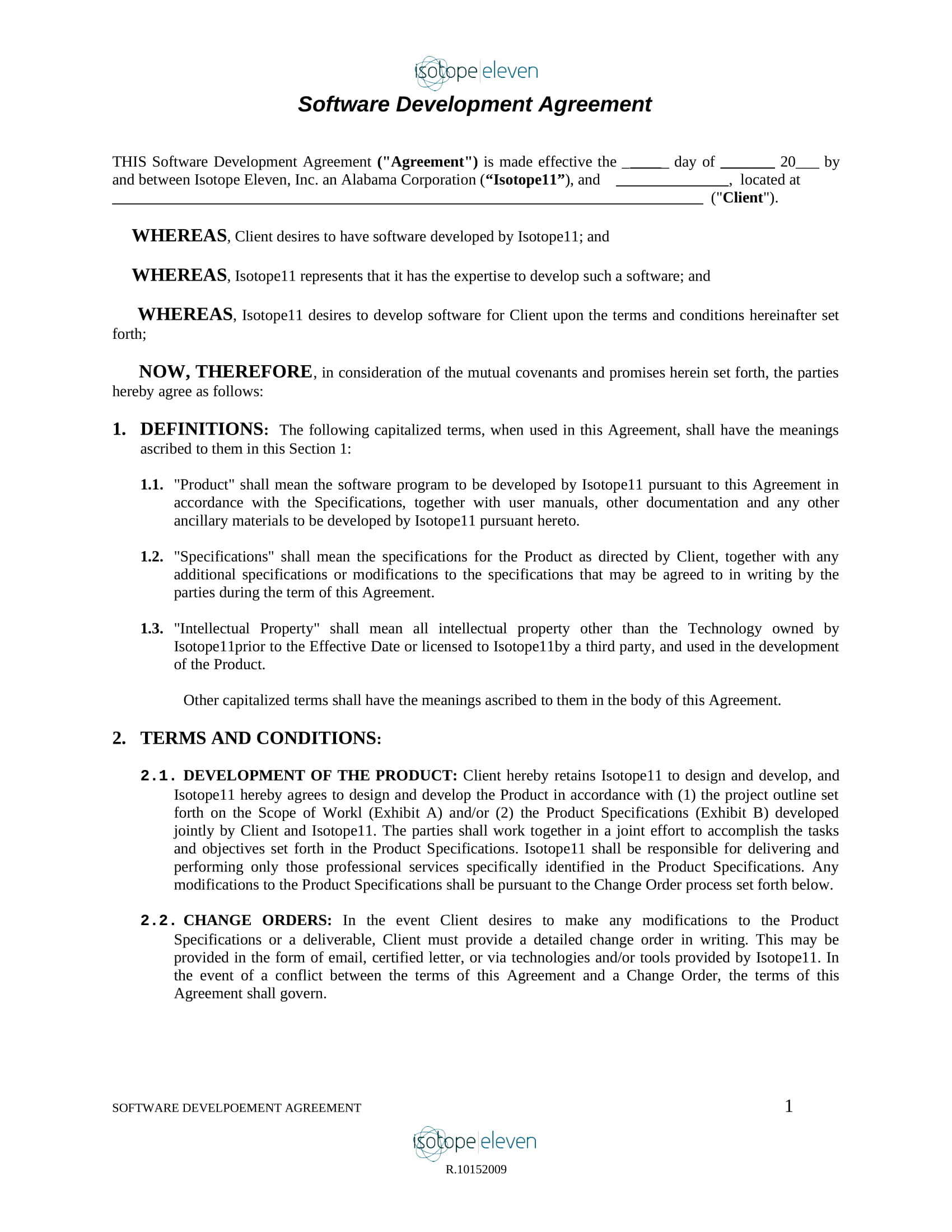 1700×2200 software agreement contract form samples ms word google docs from www.sampleforms.com
 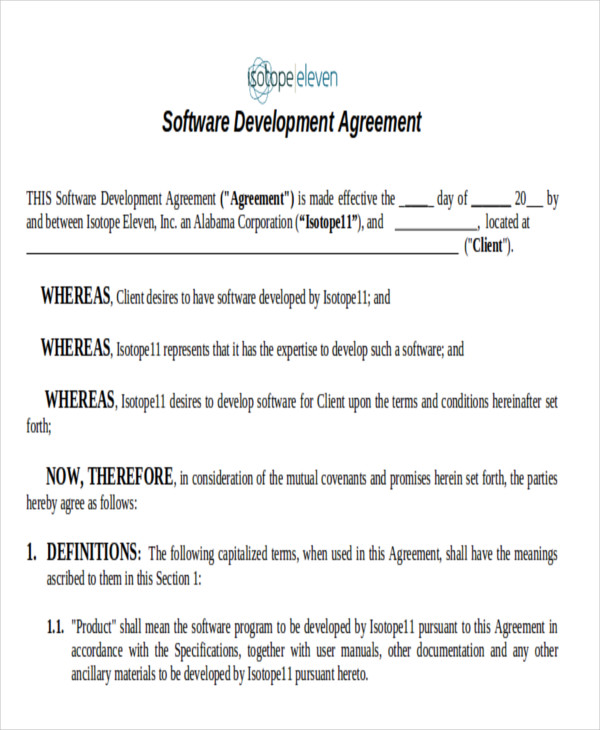 600×730 development agreement contract samples ms word from www.sampletemplates.com
  2000×2000 software development agreement template codebright from codebrightly.com
  728×943 software development agreement template from www.formsbirds.com
  728×942 software agreement contract software development contract easy from letterify.info
  1285×1660 software development contract template developer agreement from www.heritagechristiancollege.com
  1025×1025 contract templates software development services agreement spotlegalio from spotlegal.io
  2380×3368 software development agreement basic docular from docular.net
  1024×576 complete guide drafting software development agreements from contractninja.io
  640×828 software developer contract template venngage from venngage.com
 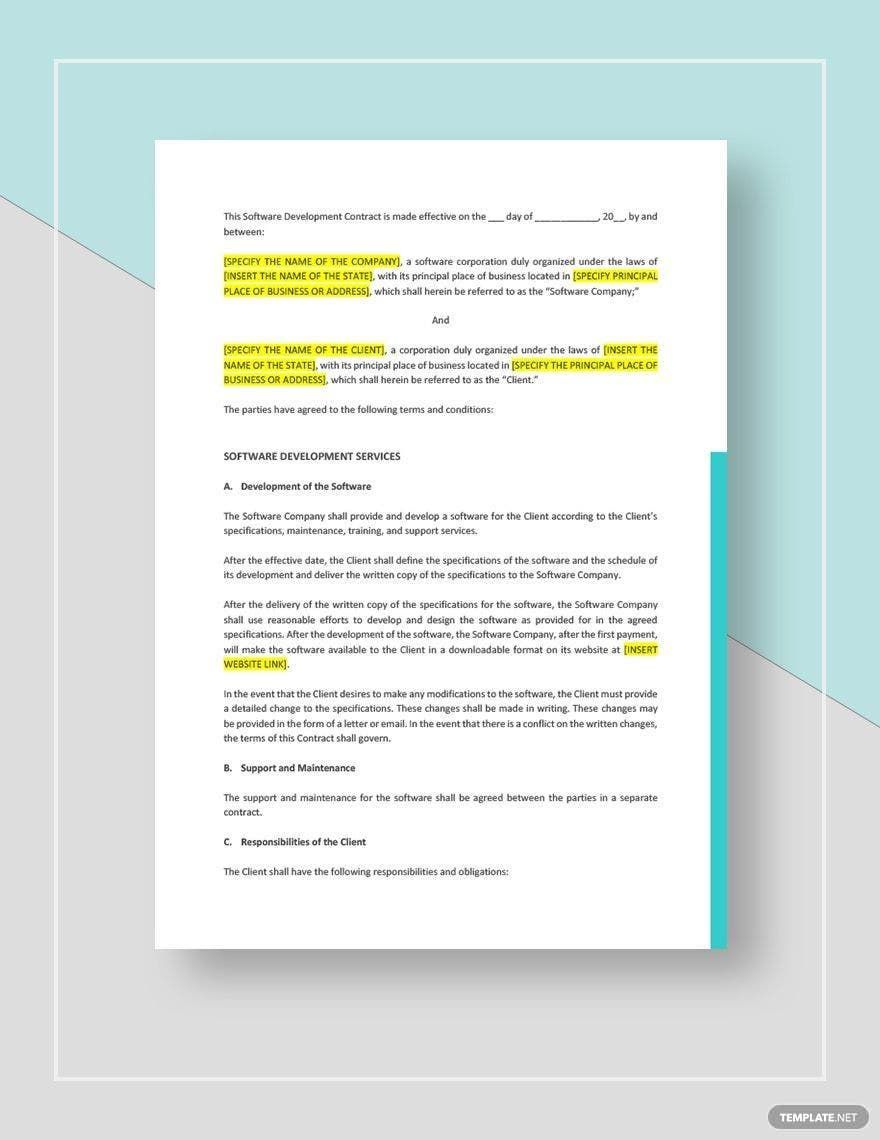 880×1140 software development contract template google docs word apple pages from www.template.net
  800×1080 software development agreement template bonsai from www.hellobonsai.com