
Sample Internal Memo For Office Fridge Use
Internal Memo: Office Refrigerator Guidelines
To: All Employees
From: [Your Name/Department – e.g., Facilities Management, Human Resources]
Date: October 26, 2023
Subject: Maintaining a Clean and Functional Office Refrigerator
This memo outlines the guidelines for proper use and maintenance of the office refrigerator located in [Location of refrigerator – e.g., the break room, kitchen]. Ensuring a clean, organized, and functional refrigerator benefits all employees and contributes to a more pleasant and hygienic workplace. We appreciate your cooperation in adhering to these guidelines.
The Importance of Refrigerator Hygiene
The office refrigerator, while a convenient amenity, can quickly become a source of concern if not properly maintained. Neglecting its upkeep can lead to several undesirable consequences:
- Unpleasant Odors: Food left to spoil can generate offensive odors that permeate the surrounding area, creating an unpleasant environment for everyone.
- Bacterial Growth: Spoiled food provides a breeding ground for bacteria, increasing the risk of foodborne illnesses.
- Mold and Mildew: Humidity and decaying food create an ideal environment for mold and mildew growth, posing health risks and damaging the refrigerator itself.
- Pest Attraction: Food debris and spills can attract pests such as insects and rodents, creating a hygiene problem throughout the office.
- Inefficient Cooling: Overcrowding the refrigerator and leaving food items blocking vents can hinder proper airflow, reducing its cooling efficiency and increasing energy consumption.
- Reduced Space for Everyone: Overcrowding with old or unidentified items limits the space available for other employees to store their lunches and snacks.
Refrigerator Usage Guidelines
To maintain a clean and functional office refrigerator, please adhere to the following guidelines:
1. Labeling Food Items
All food items stored in the refrigerator must be clearly labeled with the following information:
- Your Name: This allows us to identify the owner of the food item easily.
- Date of Storage: Indicate the date the item was placed in the refrigerator. This helps track how long food has been stored and prevent spoilage.
- Contents: Briefly describe the contents of the container (e.g., “Chicken Salad,” “Leftover Pasta”).
Use a permanent marker and label each item clearly. Avoid using flimsy labels that might fall off or become unreadable.
2. Storage Duration
Please be mindful of how long you keep food in the refrigerator. As a general rule, follow these guidelines:
- Leftovers: Consume leftovers within 3-4 days.
- Perishable Items: Check expiration dates and consume before the expiration date.
- Condiments: Follow the expiration date on the container. Once opened, most condiments should be refrigerated and used within a reasonable timeframe (e.g., weeks or months, depending on the product).
If you are unsure about the safety of a particular food item, it is best to err on the side of caution and discard it.
3. Proper Food Storage
Properly storing food helps prevent cross-contamination and maintains food quality:
- Use Airtight Containers: Store food in airtight containers to prevent spills, leaks, and odors from spreading.
- Avoid Overfilling Containers: Leave some headspace in containers to allow for expansion during cooling.
- Store Raw Meat Properly: If storing raw meat, poultry, or fish, place it on the bottom shelf in a sealed container to prevent juices from dripping onto other food items.
- Keep Items Away from Back Wall: Avoid pushing items against the back wall of the refrigerator, as this can block airflow and lead to freezing.
4. Regular Cleaning
Maintaining a clean refrigerator is a shared responsibility. We will schedule regular cleanings (see schedule below), but your cooperation in keeping the refrigerator tidy is essential.
Scheduled Cleaning:
- The refrigerator will be thoroughly cleaned every [Frequency – e.g., Friday afternoon, first Monday of the month] by [Person/Department responsible – e.g., Facilities staff, a rotating team of volunteers].
- On [Day before scheduled cleaning – e.g., Thursday evening, the Friday before the first Monday], an email reminder will be sent out.
- All employees are responsible for removing their belongings from the refrigerator before the scheduled cleaning. Any unlabeled or expired items remaining in the refrigerator will be discarded.
Individual Responsibility:
- Clean up any spills or messes immediately.
- Wipe down shelves if you notice any food debris.
- If you accidentally contaminate the refrigerator with spills, take responsibility and clean it up promptly.
5. Unacceptable Items
The following items are prohibited from being stored in the office refrigerator:
- Strongly Smelling Foods: Foods with strong odors (e.g., durian, kimchi) can permeate the refrigerator and affect other food items.
- Alcoholic Beverages: Unless specifically permitted by company policy for special occasions.
- Hazardous Materials: Chemicals, solvents, or other hazardous materials should not be stored in the refrigerator.
- Personal Care Products: Cosmetics, medications, or other personal care products should not be stored in the refrigerator.
6. Vacation/Leave of Absence
Before going on vacation or a leave of absence, please remove all food items from the refrigerator to prevent spoilage and unpleasant odors.
7. Reporting Issues
If you notice any problems with the refrigerator (e.g., malfunctioning door, excessive condensation, unusual noises), please report it to [Contact person/Department – e.g., Facilities Manager, IT Help Desk] immediately.
Enforcement
Failure to comply with these guidelines may result in the following:
- Verbal Warning: For first-time offenses.
- Written Warning: For repeated offenses.
- Removal of Items: Unlabeled or expired items will be discarded without notice.
- Suspension of Refrigerator Privileges: In cases of persistent non-compliance.
Conclusion
By following these guidelines, we can ensure that the office refrigerator remains a clean, functional, and enjoyable amenity for everyone. Your cooperation is greatly appreciated. If you have any questions or concerns, please do not hesitate to contact [Contact person/Department – e.g., Facilities Management, Human Resources].
Thank you for your attention to this matter.
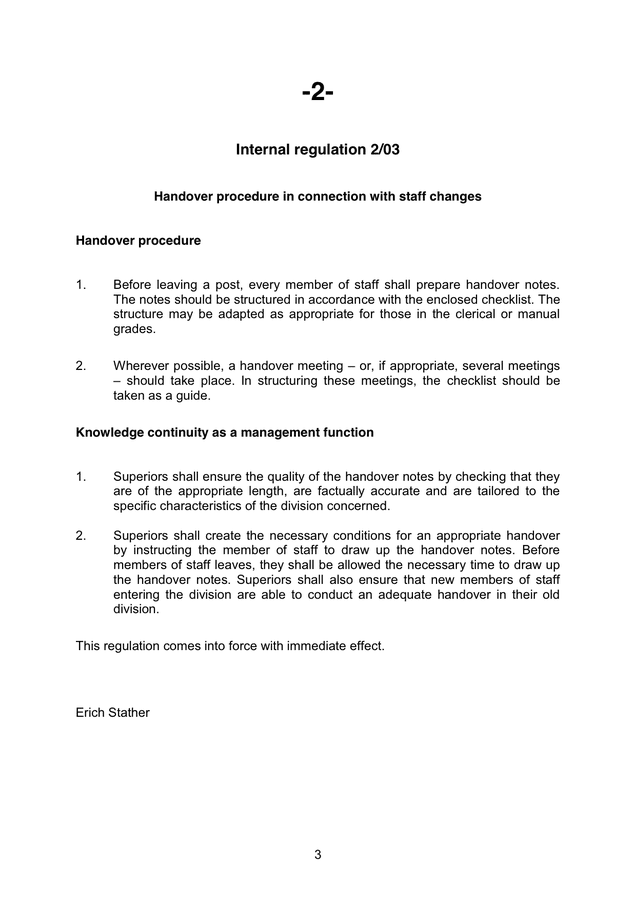 636×900 internal memo sample word formats page from www.dexform.com
  440×570 internal memo templates downloads templatenet from www.template.net
  1241×1614 office memo template sampletemplatess sampletemplatess from www.sampletemplatess.com
  440×570 sample internal memo employees template google docs word from www.template.net
  440×570 internal memo templates google docs word from www.template.net
  440×570 sample internal memo templates ms word from www.sampletemplates.com
  585×585 internal memo templates google docs ms word pages from www.sampletemplates.com
  624×810 internal office memo from freewordtemplates.net
  600×730 internal memo templates ms word google docs from www.sampletemplates.com
  768×1024 office memo template templates word excel from www.formsbirds.com
  585×650 internal memo samples sample templates from www.sampletemplates.com