
Interoffice Communication Memo Format
Here’s an exploration of interoffice communication memo formats, rendered in HTML:
Interoffice Communication Memo Format: A Comprehensive Guide
Interoffice memos, or memoranda, are vital for internal communication within an organization. They serve as a concise and professional means of conveying information, updates, directives, and requests between colleagues and departments. A well-structured memo ensures clarity, avoids misunderstandings, and maintains a consistent flow of information. Understanding the standard memo format is crucial for effective internal communication.
Essential Elements of an Interoffice Memo
While stylistic choices might vary slightly between companies, the core elements of a professional interoffice memo remain consistent. These include the heading, the body, and supplementary information.
The Heading
The heading is the first section of the memo and provides essential context. It should be clearly displayed at the top of the document. The standard components are:
- To: Clearly indicate the recipient(s) of the memo. This can be a specific individual, a group of people, or an entire department. Be precise and use full names and job titles when appropriate, especially for large organizations.
- From: Specify the sender’s name and job title. This ensures accountability and allows the recipient to understand the sender’s perspective and authority.
- Date: Include the date the memo was written. This is crucial for record-keeping and helps recipients understand the memo’s timeliness. Use a standard date format (e.g., YYYY-MM-DD or Month Day, Year).
- Subject: This is a concise and descriptive summary of the memo’s content. A well-written subject line allows recipients to quickly understand the memo’s purpose and prioritize its reading. It should be specific and avoid vague language. Examples: “Revised Marketing Budget,” “Upcoming Office Closure,” or “New Employee Onboarding Process.”
The Body
The body of the memo is where you present the core information. It should be organized logically and written in a clear, concise, and professional tone. Consider the following guidelines:
- Introduction: Start with a brief introduction that clearly states the purpose of the memo. This provides context and sets the stage for the information that follows. For example, “This memo is to inform you about…” or “The purpose of this memo is to request approval for…”.
- Main Points: Present the main points of your message in a logical order. Use paragraphs to separate distinct ideas and maintain readability. Avoid long, convoluted sentences.
- Supporting Details: Back up your main points with relevant supporting details, data, or evidence. This adds credibility to your message and helps the reader understand the rationale behind your statements.
- Call to Action (if applicable): If you are expecting the recipient to take action, clearly state what you want them to do and when. Provide specific instructions and deadlines. For instance, “Please review the attached document and provide feedback by [Date]” or “Please submit your expense reports by the end of the week.”
- Conclusion: Summarize the key points of the memo and reiterate the purpose. This reinforces the message and ensures that the reader understands the main takeaways. You can also offer contact information for further questions or clarification.
Supplementary Information
Depending on the content of the memo, you may need to include supplementary information:
- Attachments: If the memo refers to supporting documents, such as reports, spreadsheets, or presentations, clearly indicate that they are attached. Use phrases like “Please see the attached [Document Name]” or “Refer to the attached [Document Name] for more details.” Ensure the attachments are properly labeled and easily accessible.
- Distribution List (if applicable): If the memo is being distributed to a large group of people, you may include a distribution list at the bottom of the memo. This is especially useful when recipients need to know who else received the information.
- References (if applicable): If the memo refers to external sources or research, include a list of references at the end. Follow a consistent citation style (e.g., APA, MLA).
Formatting Guidelines for Interoffice Memos
Consistent formatting enhances readability and professionalism. Here are some standard formatting guidelines:
- Font: Use a professional and easy-to-read font, such as Times New Roman, Arial, or Calibri. A font size of 12 points is generally recommended.
- Margins: Use standard margins (e.g., 1-inch margins on all sides).
- Spacing: Use single spacing within paragraphs and double spacing between paragraphs.
- Alignment: Left-align the text.
- Headings and Subheadings: Use headings and subheadings to organize the content and improve readability. Use bolding or underlining to emphasize headings.
- Lists: Use bullet points or numbered lists to present information in a concise and organized manner.
- Proofreading: Always proofread your memo carefully for grammar, spelling, and punctuation errors. A polished memo reflects professionalism and attention to detail.
Tone and Style
The tone of your memo should be professional, courteous, and respectful. Avoid using overly casual language, slang, or jargon. Be direct and to the point, but also be mindful of the recipient’s perspective. Consider the following:
- Clarity: Use clear and concise language that is easy to understand. Avoid ambiguity and jargon.
- Objectivity: Present information objectively and avoid personal opinions or biases.
- Professionalism: Maintain a professional tone throughout the memo. Use proper grammar, spelling, and punctuation.
- Respect: Be respectful of the recipient’s time and expertise. Avoid condescending or accusatory language.
- Accuracy: Ensure that all information presented in the memo is accurate and up-to-date.
Example Memo Structure
Here is a general example of how an interoffice memo might be structured:
To: [Recipient's Name], [Recipient's Job Title] From: [Your Name], [Your Job Title] Date: [Date] Subject: [Subject of the Memo] Introduction: [Briefly state the purpose of the memo.] Main Point 1: [State the first main point.] Supporting Details: [Provide supporting details or evidence.] Main Point 2: [State the second main point.] Supporting Details: [Provide supporting details or evidence.] Call to Action (if applicable): [Clearly state what action you want the recipient to take and when.] Conclusion: [Summarize the key points and reiterate the purpose of the memo.] Attachment(s): [List any attached documents.]
Conclusion
Mastering the interoffice communication memo format is essential for effective internal communication. By following the guidelines outlined above, you can ensure that your memos are clear, concise, professional, and impactful. A well-written memo enhances productivity, reduces misunderstandings, and fosters a positive work environment.
 585×520 interoffice memo template office templates word templates from www.wordtemplatesonline.org
  768×1024 interoffice memo templates word excel from www.formsbirds.com
 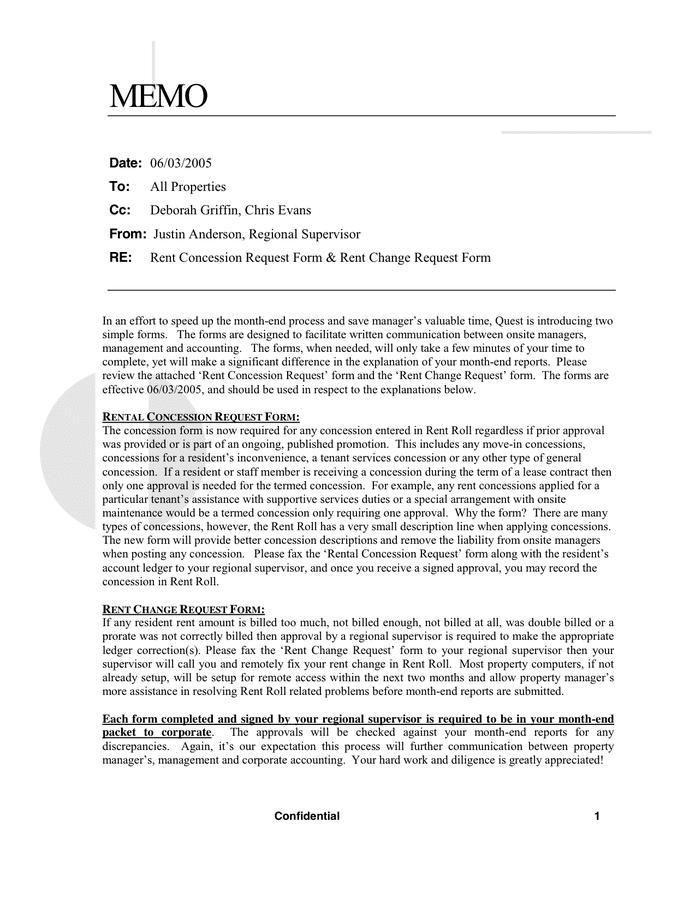 696×900 interoffice memo template documents word excel from www.dexform.com
  768×1174 interoffice memo template word templates from www.wordstemplates.org
  324×448 interoffice memo template words templates from www.wordstemplates.org
  1275×1650 top resources interoffice memo templates word templates from www.docspile.com
  585×600 interoffice memo template professional word templates from www.professionaltemplates.org
  530×687 interoffice memo templates word templates docs from www.wordtemplatesdocs.org
 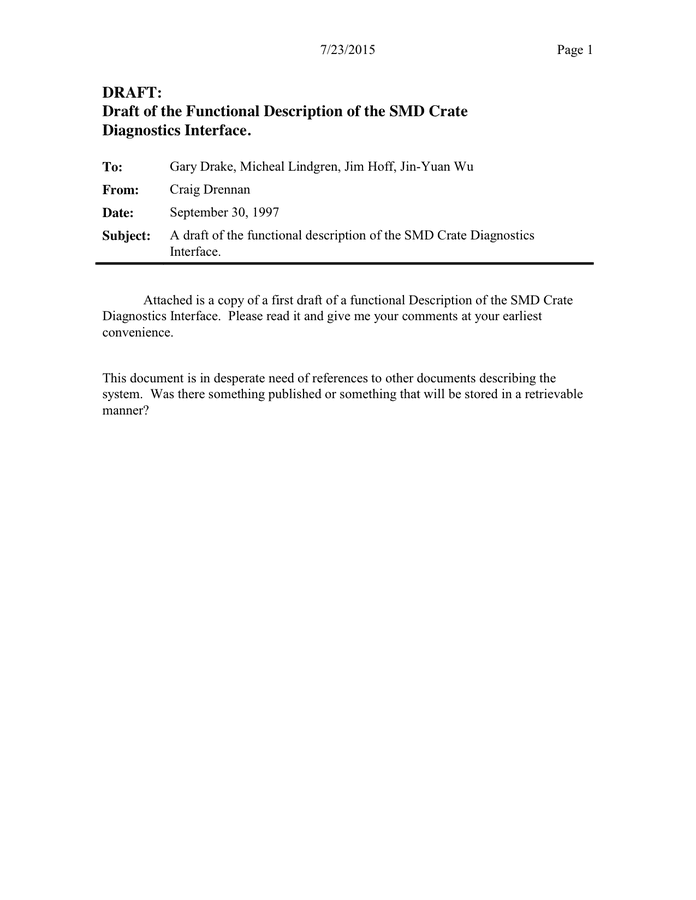 696×900 interoffice memo word formats from www.dexform.com
  600×730 interoffice memo template collection from lesboucans.com
  585×500 interoffice memo templates word google docs apple pages from www.template.net
  640×760 pack interoffice memo templates click from www.wordtemplatesdocs.org
  580×400 interoffice memo template word from www.free-power-point-templates.com
  556×518 interoffice memo templates word excel formats from www.wordtemplatesdocs.org
  580×599 sample interoffice memo templates sample templates from www.sampletemplates.com
 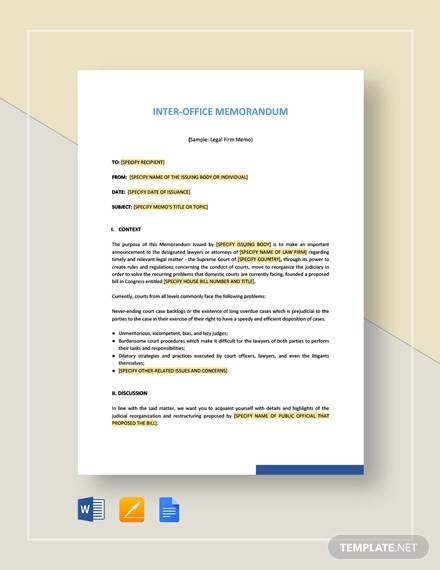 440×570 sample interoffice memo templates google docs ms word from www.sampletemplates.com
  585×640 sample interoffice memos google docs from www.sampletemplates.com
  585×450 interoffice memo templates word excel formats from www.wordpdftemplates.com