
Conflict Resolution Memo Example
“`html
Conflict is an inevitable part of human interaction, especially in the workplace. When disagreements arise, it’s crucial to address them promptly and effectively to prevent escalation and maintain a productive environment. A conflict resolution memo serves as a formal record of the conflict, the steps taken to resolve it, and the outcome. It provides a clear framework for understanding the situation and ensuring that all parties are aware of the resolution and any necessary follow-up actions.
A well-written conflict resolution memo not only documents the event but also contributes to a more positive and constructive workplace culture. It demonstrates a commitment to fairness, transparency, and accountability. It also provides a valuable resource for future reference, should similar conflicts arise.
Key Components of a Conflict Resolution Memo
A typical conflict resolution memo includes the following key sections:
- Heading: Clearly state “Conflict Resolution Memo” at the top.
- Date: Indicate the date the memo was written.
- To: List the individuals or departments who should receive the memo. This often includes the individuals involved in the conflict, their supervisors, and potentially HR representatives.
- From: Identify the person writing the memo, usually the mediator, supervisor, or HR representative responsible for facilitating the conflict resolution process.
- Subject: Briefly and accurately describe the subject of the memo, such as “Conflict Resolution: [Employee A] vs. [Employee B] – Performance Feedback Disagreement.”
- Background: Provide a concise and objective overview of the conflict. This section should focus on the facts and avoid personal opinions or judgments. It should outline the events that led to the conflict, the perspectives of each party involved, and any relevant contextual information. For example, if the conflict stems from a misunderstanding of a project deadline, clearly state the initial deadline, any subsequent changes, and how the communication of these changes might have contributed to the issue.
- Resolution Process: Detail the steps taken to address the conflict. This section should explain the methods used to facilitate resolution, such as mediation, individual meetings, or group discussions. Describe who participated in each step, the duration of each session, and the key points discussed. If mediation was employed, outline the mediator’s role in guiding the conversation, helping parties understand each other’s viewpoints, and facilitating the generation of potential solutions. Mention any specific communication techniques used, such as active listening or reframing.
- Agreements Reached: Clearly state the agreements reached by the parties involved. This is the most crucial part of the memo, as it outlines the specific actions each party will take to resolve the conflict and prevent its recurrence. Agreements should be specific, measurable, achievable, relevant, and time-bound (SMART). For example, instead of stating “Employee A will improve their communication,” a more effective agreement would be “Employee A will attend a communication skills workshop by [Date] and implement the techniques learned in daily interactions with colleagues.” Agreements may also include changes to work processes, clarification of roles and responsibilities, or implementation of new policies.
- Follow-Up Actions: Outline any follow-up actions that need to be taken to ensure the agreements are implemented and the conflict remains resolved. This may include regular check-in meetings with the parties involved, monitoring progress on agreed-upon actions, or providing additional training or support. Specify who is responsible for each follow-up action and the timeframe for completion. For instance, “Supervisor will schedule a monthly meeting with Employee A and Employee B for the next three months to monitor progress on improved communication and collaboration.”
- Conclusion: Summarize the outcome of the conflict resolution process and reiterate the commitment to maintaining a positive and productive work environment. Express appreciation for the parties’ willingness to engage in the resolution process.
- Signatures: Include space for the involved parties, the mediator (if applicable), and their supervisors to sign and date the memo, acknowledging their agreement with the contents.
Example Scenario and Memo Outline
Scenario: Employee A and Employee B are in a constant state of conflict over project assignments. Employee A feels Employee B is not pulling their weight, leading to delays and increased workload for Employee A. Employee B feels they are being unfairly targeted and micromanaged by Employee A.
Conflict Resolution Memo Outline:
- Heading: Conflict Resolution Memo
- Date: [Date]
- To: Employee A, Employee B, [Supervisor’s Name], HR Department
- From: [Mediator/Supervisor’s Name]
- Subject: Conflict Resolution: Project Collaboration Issues between Employee A and Employee B
- Background: Outline the history of the conflict, detailing Employee A’s complaints about Employee B’s performance and Employee B’s perception of being micromanaged. Include specific examples of project delays and instances of perceived unfair treatment.
- Resolution Process: Describe the mediation process, including the date and time of the mediation session, the participants, and the topics discussed. Mention the mediator’s role in facilitating open communication and helping both employees understand each other’s perspectives.
- Agreements Reached:
- Employee B will create a detailed task breakdown for each project and share it with Employee A within [Timeframe].
- Employee A will provide constructive feedback to Employee B, focusing on specific behaviors and outcomes, rather than personal criticisms.
- Employee A will reduce the frequency of checking in with Employee B, allowing Employee B more autonomy in completing their tasks, while still maintaining open communication channels.
- Employee A and Employee B will participate in a team-building workshop on [Date] to improve collaboration skills.
- Follow-Up Actions:
- [Supervisor’s Name] will meet with Employee A and Employee B weekly for the next month to monitor progress and address any remaining concerns.
- HR Department will provide resources for conflict resolution and communication skills training to both employees.
- Conclusion: Express optimism about the resolution and reiterate the importance of teamwork and positive communication.
- Signatures: Provide signature lines for Employee A, Employee B, [Supervisor’s Name], and the mediator/author of the memo.
By using this framework, organizations can effectively document and resolve workplace conflicts, fostering a more collaborative and productive environment.
“`
 1600×1510 conflict resolution memo post illustration design stock illustration from www.dreamstime.com
 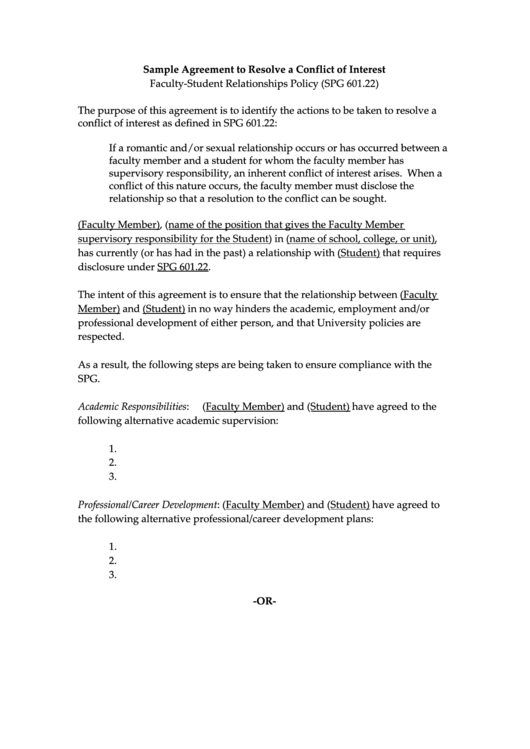 530×749 top conflict resolution templates format from www.formsbank.com
  1700×2200 employee conflict resolution template stcharleschill template from stcharleschill.com
  791×1024 conflict resolution from studylib.net