
Healthcare Internal Memo Format
Here’s an HTML formatted guide to writing effective internal memos in a healthcare setting: “`html
Healthcare Internal Memo Format: A Comprehensive Guide
Internal memos are a vital communication tool in healthcare organizations. They facilitate efficient information dissemination, streamline processes, and ensure everyone is on the same page. Unlike external correspondence, internal memos are intended for colleagues and staff within the same institution. Therefore, they should be concise, clear, and professional. This guide details the optimal format and key elements for crafting effective healthcare internal memos.
Key Components of a Healthcare Internal Memo
- Header: This section provides essential identifying information.
- Subject Line: A clear and concise summary of the memo’s purpose.
- Body: The main content, conveying the message in a structured manner.
- Closing: A concluding statement and call to action (if applicable).
Detailed Breakdown of Each Component
1. Header
The header is the first element your reader encounters and sets the stage for the rest of the memo. It should include the following:
- To: Specify the intended recipient(s). This could be a specific individual, a department, or all staff. Be precise and accurate. Example: “To: All Nursing Staff, Oncology Department” or “To: Dr. Jane Smith, Chief of Surgery”
- From: Clearly indicate the sender’s name and title or department. This establishes credibility and accountability. Example: “From: John Doe, Hospital Administrator” or “From: Infection Control Committee”
- Date: Include the full date (Month Day, Year) for record-keeping purposes. Example: “Date: October 26, 2023”
2. Subject Line
The subject line is arguably the most crucial part of your memo. It’s the first thing your reader sees and determines whether they’ll prioritize reading the rest. A good subject line should be:
- Specific: Avoid vague or generic phrases like “Important Information.” Instead, be explicit about the topic. Examples: “Subject: Mandatory Flu Vaccination Policy Update” or “Subject: New Protocol for Patient Transfer to ICU”
- Concise: Keep it brief and to the point. Aim for a subject line that can be easily scanned.
- Action-Oriented (if applicable): If the memo requires action, state it in the subject line. Examples: “Subject: Required Training: HIPAA Compliance Refresher” or “Subject: Action Needed: Review and Approve New Formulary”
3. Body
The body of the memo contains the main content and should be organized logically for easy comprehension. Consider the following guidelines:
- Opening Paragraph: Start with a clear and direct statement of purpose. Briefly explain the reason for the memo. Avoid beating around the bush. Example: “This memo is to inform you of a change in the hospital’s policy regarding electronic health record (EHR) documentation.”
- Supporting Details: Provide relevant background information, context, and supporting data. Use bullet points, numbered lists, or short paragraphs to present information clearly and concisely. Example: “The new EHR documentation policy includes the following changes: 1) Mandatory use of standardized templates, 2) Real-time charting requirements, 3) Enhanced security protocols.”
- Evidence and Justification: If applicable, provide evidence or justification for the information or changes being communicated. This can include research findings, regulatory requirements, or patient safety data. Example: “These changes are being implemented to improve the accuracy and completeness of patient records, as mandated by the Joint Commission and supported by recent studies demonstrating the benefits of standardized documentation.”
- Clarity and Language: Use clear, concise language that is easily understood by the target audience. Avoid jargon, technical terms, and acronyms unless they are commonly understood within the organization. If using technical terms, provide a brief definition.
- Tone: Maintain a professional and respectful tone. Avoid emotional language or personal opinions. Focus on facts and objective information.
4. Closing
The closing paragraph summarizes the key message and provides a call to action, if needed.
- Summary: Briefly reiterate the main point of the memo.
- Call to Action (if applicable): Clearly state what the reader is expected to do as a result of the memo. This could include attending a meeting, reviewing a document, implementing a new procedure, or providing feedback. Example: “Please review the updated EHR documentation policy and attend the mandatory training session on November 15th. Your compliance is essential to ensuring patient safety and regulatory compliance.”
- Contact Information: Provide contact information for questions or further clarification. This could include a phone number, email address, or the name of a designated contact person. Example: “If you have any questions regarding this policy, please contact the IT Help Desk at extension 5555 or email EHRsupport@hospital.org.”
- Concluding Statement: End with a professional and positive closing statement. Examples: “Thank you for your cooperation.” or “We appreciate your commitment to providing excellent patient care.”
- Signature: Include a signature (either typed or handwritten) above your printed name and title.
Tips for Writing Effective Healthcare Internal Memos
- Know Your Audience: Tailor your language and tone to the specific audience you are addressing.
- Proofread Carefully: Before sending your memo, proofread it carefully for errors in grammar, spelling, and punctuation.
- Be Concise: Get to the point quickly and avoid unnecessary details.
- Use a Professional Format: Use a consistent format and font throughout the memo.
- Consider Distribution: Determine the best method for distributing the memo (e.g., email, hard copy, intranet).
- Follow Hospital Policy: Ensure your memo adheres to your hospital’s internal communication policies and guidelines.
Example Healthcare Internal Memo
To: All Registered Nurses, Medical Surgical Unit
From: Mary Brown, Nurse Manager
Date: October 26, 2023
Subject: New Bedside Shift Report Procedure
This memo is to inform you of a new procedure for bedside shift reports, effective November 15, 2023.
The new bedside shift report procedure will involve the following:
- Conducting the shift report at the patient’s bedside, involving the patient and/or family in the exchange of information.
- Using a standardized bedside shift report checklist to ensure all key information is communicated.
- Documenting the completion of the bedside shift report in the patient’s electronic health record.
This change is being implemented to improve patient safety, enhance communication, and promote patient-centered care. Studies have shown that bedside shift reports can reduce medication errors, improve patient satisfaction, and increase patient engagement.
Please review the attached document outlining the new bedside shift report procedure in detail. A training session on this new procedure will be held on November 8th at 10:00 AM in the hospital auditorium. Attendance is mandatory.
If you have any questions, please contact me at extension 4567 or email mary.brown@hospital.org.
Thank you for your cooperation in implementing this important change.
[Signature]
Mary Brown, RN, MSN
Nurse Manager, Medical Surgical Unit
“`
 585×650 sample internal memo templates ms word from www.sampletemplates.com
  400×518 internal memo template from pdf.wondershare.com
  728×943 medical memo from www.slideshare.net
 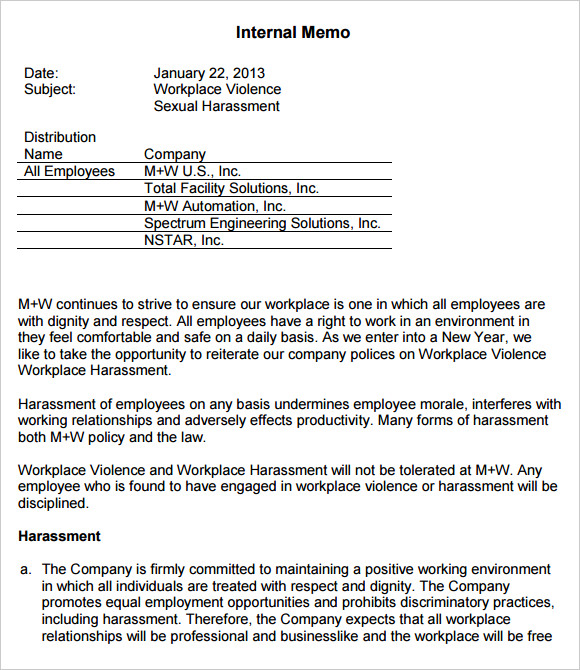 580×670 internal memo templates sample templates from www.sampletemplates.com
  1024×713 internal memo template word apple mac pages from www.template.net
 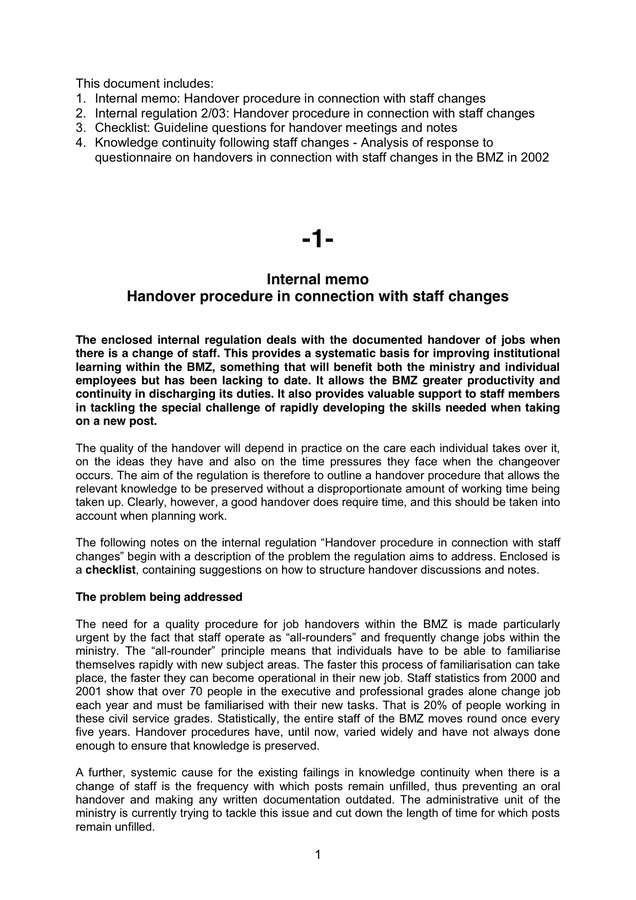 636×900 internal memo sample word formats from www.dexform.com
  585×550 internal memo template word google docs documents from www.template.net
 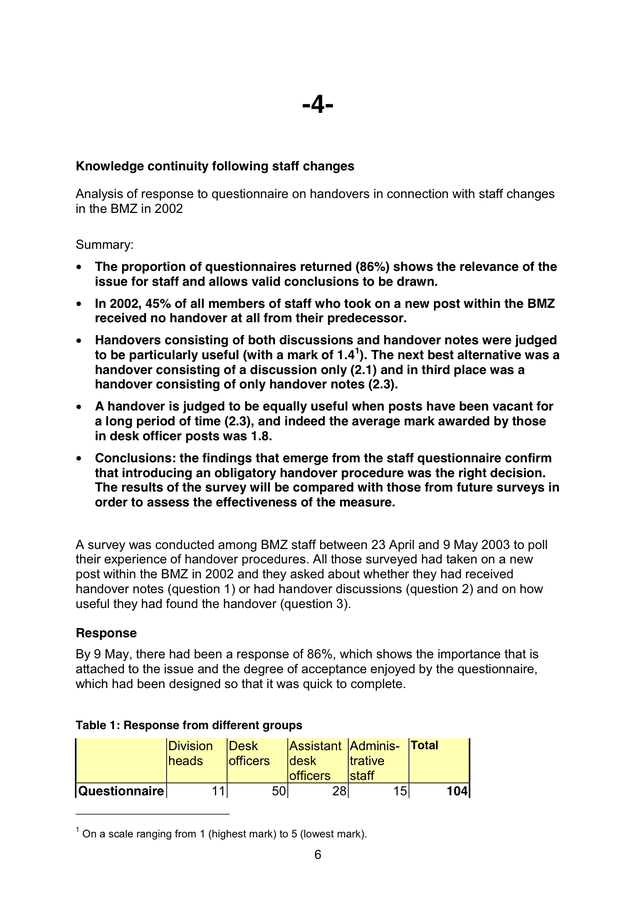 636×900 internal memo sample word formats page from www.dexform.com
  585×530 internal memo templates word documents from www.template.net
  585×620 internal memo templates google docs word from www.template.net
  585×585 internal memo templates google docs ms word pages from www.sampletemplates.com
  600×730 internal memo templates ms word google docs from www.sampletemplates.com