
Job Offer Contract Template For Small Business
Job Offer Contract Template for Small Business
A well-drafted job offer contract is crucial for any small business looking to hire new employees. It sets clear expectations, protects the company’s interests, and fosters a positive employee-employer relationship. This document serves as a foundation for employment, outlining the terms and conditions of the job. Without a comprehensive and legally sound contract, businesses risk misunderstandings, disputes, and potential legal liabilities. This article provides a detailed overview of key elements to include in a job offer contract template for small businesses, along with explanations and considerations for each.
Key Components of a Job Offer Contract Template
-
Introduction and Parties Involved: Begin by clearly identifying the parties involved. This includes the full legal name of the company (the employer) and the full legal name of the individual being offered the job (the employee). The introductory paragraph should also state the purpose of the document – that it constitutes an offer of employment.
Example: “This Job Offer Contract (the “Agreement”) is made and entered into as of [Date] by and between [Company Name], a [State] [Entity Type], with its principal place of business at [Company Address] (“Company”), and [Employee Name], residing at [Employee Address] (“Employee”). Company desires to employ Employee, and Employee desires to accept such employment, upon the terms and conditions set forth herein.”
-
Job Title and Description: Clearly state the job title the employee will hold. Provide a concise yet comprehensive description of the job responsibilities and duties. This section should outline the key tasks the employee will be expected to perform.
Example: “Employee is being offered the position of [Job Title]. In this role, Employee will be responsible for [List of Key Responsibilities, e.g., managing client accounts, developing marketing strategies, providing customer support, etc.]. A more detailed job description is attached as Exhibit A and incorporated herein by reference.”
-
Start Date: Specify the exact date the employee’s employment will commence. This is a critical detail for clarity and proper onboarding.
Example: “Employee’s employment with the Company will commence on [Start Date].”
-
Compensation: Clearly outline the employee’s compensation, including salary, hourly wage, or commission structure. Specify the payment frequency (e.g., bi-weekly, monthly) and the method of payment (e.g., direct deposit, check). If applicable, detail any bonus or incentive programs, including the criteria for eligibility and payment schedule.
Example: “Employee’s starting salary will be $[Salary Amount] per [Year/Month], payable [Frequency, e.g., bi-weekly]. Employee will also be eligible for a performance-based bonus, the details of which are outlined in the Company’s Bonus Policy, attached as Exhibit B and incorporated herein by reference.”
-
Benefits: Detail all employee benefits, including health insurance, dental insurance, vision insurance, paid time off (PTO), sick leave, holidays, retirement plans (e.g., 401(k)), and any other perks offered by the company. Clearly state any eligibility requirements and waiting periods for each benefit.
Example: “Employee will be eligible for the following benefits, subject to the Company’s policies and procedures:
- Health Insurance: Coverage will begin after [Waiting Period] days of employment.
- Paid Time Off (PTO): Employee will accrue [Number] days of PTO per year.
- 401(k) Retirement Plan: Employee will be eligible to participate in the Company’s 401(k) plan after [Waiting Period] months of employment.”
-
Work Hours and Location: Specify the employee’s standard work hours (e.g., 9:00 AM to 5:00 PM, Monday through Friday) and the primary work location. If the position involves remote work or travel, clearly define the terms and conditions.
Example: “Employee’s standard work hours will be [Start Time] to [End Time], [Days of the Week]. The primary work location will be [Company Address].”
-
At-Will Employment: Most employment relationships are “at-will,” meaning that either the employer or the employee can terminate the employment relationship at any time, with or without cause or notice (subject to applicable laws). If the employment is at-will, explicitly state this in the contract. Consult with legal counsel before including any clauses that limit the at-will nature of the employment.
Example: “Employee’s employment with the Company is at-will. This means that either the Employee or the Company may terminate the employment relationship at any time, with or without cause or notice, subject to applicable law.”
-
Confidentiality and Non-Disclosure: Include clauses protecting the company’s confidential information and trade secrets. This section should define what constitutes confidential information and outline the employee’s obligations to maintain its confidentiality both during and after employment.
Example: “Employee acknowledges that during the course of employment, Employee will have access to confidential information belonging to the Company. Employee agrees to hold such information in strict confidence and not to disclose it to any third party, either during or after employment, except as required by law. A separate Confidentiality Agreement is attached as Exhibit C and incorporated herein by reference.”
-
Non-Compete and Non-Solicitation (Optional): If the company requires the employee to agree to a non-compete or non-solicitation agreement, include these clauses in the contract. These agreements restrict the employee from working for a competitor or soliciting the company’s employees or customers for a specified period after leaving the company. These clauses are often subject to legal scrutiny and must be reasonable in scope and duration to be enforceable. **Consult with legal counsel to ensure compliance with applicable state laws.**
Example: “During Employee’s employment and for a period of [Number] months following termination of employment, Employee agrees not to engage in any business that is competitive with the Company within a [Geographic Area]. Employee further agrees not to solicit any employees or customers of the Company during this period. A separate Non-Compete and Non-Solicitation Agreement is attached as Exhibit D and incorporated herein by reference.”
-
Termination: Outline the procedures for termination of employment, including notice periods, severance pay (if any), and any other relevant terms. This section should also address the company’s right to terminate the employee for cause.
Example: “The Company may terminate Employee’s employment at any time, with or without cause, subject to applicable law. In the event of termination without cause, the Company will provide Employee with [Number] weeks’ notice or severance pay in lieu of notice. Employee may terminate employment by providing the Company with [Number] weeks’ written notice.”
-
Governing Law: Specify the state law that will govern the interpretation and enforcement of the contract.
Example: “This Agreement shall be governed by and construed in accordance with the laws of the State of [State].”
-
Entire Agreement: State that the contract constitutes the entire agreement between the parties and supersedes any prior agreements or understandings, whether written or oral.
Example: “This Agreement constitutes the entire agreement between the parties with respect to the subject matter hereof and supersedes all prior or contemporaneous communications and proposals, whether oral or written.”
-
Amendment: Specify that any amendments to the contract must be in writing and signed by both parties.
Example: “This Agreement may be amended only by a written instrument signed by both parties.”
-
Severability: Include a severability clause stating that if any provision of the contract is held to be invalid or unenforceable, the remaining provisions will remain in full force and effect.
Example: “If any provision of this Agreement is held to be invalid or unenforceable, such provision shall be struck and the remaining provisions shall be enforced.”
-
Acceptance: Provide a space for both the employer and employee to sign and date the contract, indicating their acceptance of the terms and conditions. Include a statement indicating the employee has had the opportunity to review the contract and seek legal counsel.
Example: “Employee acknowledges that they have had the opportunity to review this Agreement and seek legal counsel before signing. By signing below, Employee agrees to the terms and conditions set forth in this Agreement.”
Important Considerations
- Legal Review: It is strongly recommended that you have your job offer contract template reviewed by an attorney experienced in employment law to ensure compliance with applicable federal, state, and local laws.
- State-Specific Laws: Employment laws vary significantly from state to state. Ensure your contract complies with the specific laws of the state where the employee will be working.
- Clarity and Conciseness: Use clear and concise language to avoid ambiguity and potential misunderstandings.
- Fairness and Reasonableness: Ensure the terms of the contract are fair and reasonable to both the employer and the employee. Overly restrictive or one-sided contracts may be difficult to enforce.
- Record Keeping: Maintain a copy of the signed contract in the employee’s personnel file.
By using a comprehensive and legally sound job offer contract template, small businesses can protect their interests, foster positive employee relationships, and avoid potential legal disputes. Remember to consult with legal counsel to tailor the template to your specific needs and ensure compliance with all applicable laws.
 600×730 contract offer letter templates word format from www.template.net
  960×1358 small business contract templates sampletemplatess sampletemplatess from www.sampletemplatess.com
  768×1086 contract job offer letter templates allbusinesstemplatescom from www.allbusinesstemplates.com
  816×1056 contract offer letter sample templates allbusinesstemplatescom from www.allbusinesstemplates.com
  600×730 offer letter templates from www.template.net
  600×730 sample offer letter templates from www.template.net
  808×613 job offer template approveme contract templates from www.approveme.com
  816×1056 employment contract offer letter templates allbusinesstemplatescom from www.allbusinesstemplates.com
  628×816 simple job offer letter template approvemecom from www.approveme.com
 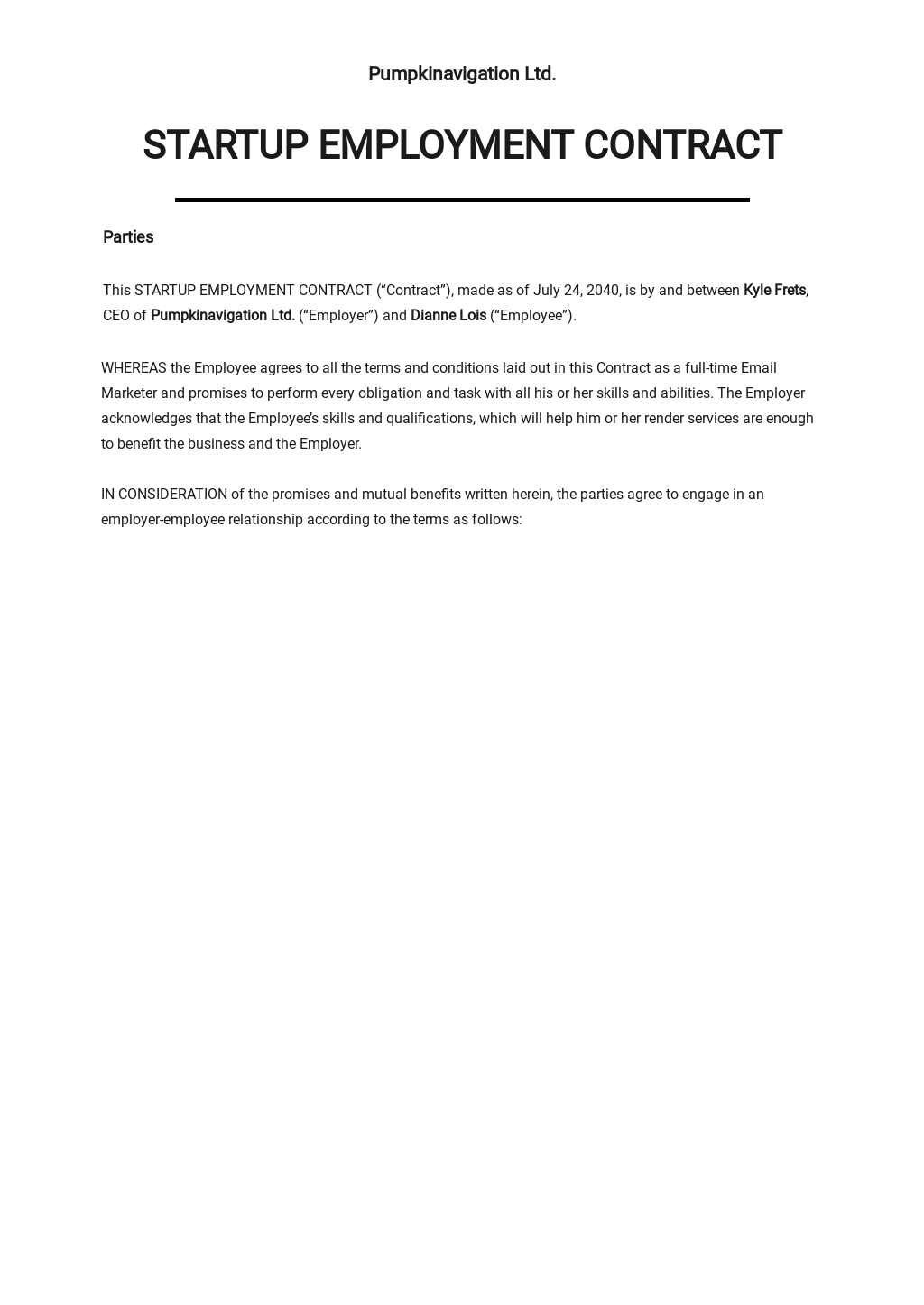 1024×1446 employment contract template microsoft word templatenet from www.template.net
 Related For Job Offer Contract Template For Small Business
