
Daily Operations Memo Example
“`html
Daily Operations Memo Example: Streamlining Communication and Efficiency
A daily operations memo is a crucial tool for keeping a team aligned and informed. It serves as a quick, concise snapshot of the previous day’s activities, highlights current priorities, and anticipates potential challenges. This ensures everyone is on the same page, fostering efficient collaboration and proactive problem-solving.
Let’s examine a comprehensive example of a daily operations memo, dissecting its key components and illustrating best practices for crafting effective communication.
Subject: Daily Operations Memo – [Date]
(Clear and concise subject line for easy identification.)
To: [Team/Department Name]
(Specifies the intended audience.)
From: [Your Name/Designation]
(Clearly identifies the sender.)
Date: [Date]
(Ensures the memo’s relevance.)
1. Yesterday’s Highlights:
(This section summarizes key accomplishments and notable events from the previous day. Focus on impactful achievements and milestones.)
- Project Alpha: Successfully completed Phase 1 testing with a 98% pass rate. Minor adjustments required for Module 3, as detailed in the testing report (attached).
- Customer Support: Resolved 85% of incoming support tickets within the target response time. Experienced a surge in inquiries related to the new software update; documentation has been updated to address common questions.
- Sales: Secured a significant contract with Acme Corp, projected to generate $50,000 in revenue in Q3. Congratulations to the sales team!
- Production: Maintained consistent production output, meeting the daily quota of 500 units. No significant equipment downtime reported.
2. Today’s Focus:
(Outlines the primary objectives and priorities for the current day. This section provides direction and ensures team members are working towards common goals.)
- Project Alpha: Begin addressing the minor adjustments identified during Phase 1 testing. Prioritize Module 3 fixes and re-testing by end of day.
- Customer Support: Continue monitoring incoming support tickets related to the software update. Identify recurring issues and escalate to the development team as needed. Proactively reach out to customers who have submitted complaints regarding the update.
- Sales: Follow up with leads generated from the recent marketing campaign. Schedule introductory calls with potential clients. Prepare proposal for Beta Industries.
- Production: Continue production according to the established schedule. Conduct preventative maintenance on Machine B during the scheduled downtime.
- Marketing: Launch the social media campaign for the new product line at 10:00 AM EST. Monitor engagement and adjust messaging as necessary.
3. Potential Challenges/Roadblocks:
(Identifies potential obstacles that could hinder progress and proactive steps being taken to mitigate them. This section encourages foresight and problem-solving.)
- Project Alpha: Potential delay in receiving updated code libraries from the development team could impact the Module 3 fix timeline. Contacting the development lead now to confirm delivery schedule.
- Customer Support: Anticipate a continued high volume of support tickets related to the software update. Increasing staffing levels during peak hours and providing additional training to support staff.
- Production: Expected delivery of raw materials is delayed until tomorrow afternoon. Adjusting production schedule to prioritize orders that do not require these materials.
4. Action Items/Requests:
(Specifies specific tasks that need to be completed by individual team members or departments. This section ensures accountability and clarity.)
- [Team Lead A]: Please provide an updated progress report on Project Beta by 3:00 PM today.
- [Marketing Team]: Ensure all marketing materials for the social media campaign are finalized and approved.
- [IT Department]: Investigate the reported slowdown in network speed and implement necessary solutions.
- [All Team Members]: Please review the updated safety protocols for using Machine C, posted in the common area.
5. Important Reminders:
(Highlights upcoming deadlines, meetings, events, or any other relevant information.)
- Team meeting scheduled for tomorrow at 9:00 AM in the conference room. Agenda: Q3 performance review and planning for Q4.
- Deadline for submitting expense reports for the past month is Friday.
- Reminder: The office will be closed next Monday for the holiday.
6. Attachments:
(Lists any supporting documents included with the memo.)
- Project Alpha Testing Report
- Updated Software Update Documentation
7. Closing:
(A brief and professional closing statement.)
Thank you for your continued dedication and hard work. Please don’t hesitate to reach out if you have any questions or concerns.
Best regards,
[Your Name/Designation]
Key Takeaways for Effective Daily Operations Memos:
- Brevity and Clarity: Keep the memo concise and easy to understand. Use clear and direct language, avoiding jargon or technical terms that may not be familiar to everyone.
- Relevance: Focus on information that is relevant to the team’s daily operations and goals. Avoid including unnecessary details or irrelevant updates.
- Actionable Information: Provide clear action items and requests, assigning responsibility to specific individuals or teams.
- Proactive Problem-Solving: Anticipate potential challenges and outline steps being taken to mitigate them.
- Consistent Format: Maintain a consistent format to make the memo easy to read and navigate.
- Timeliness: Distribute the memo at the same time each day to ensure everyone has access to the information they need.
- Feedback: Encourage feedback from team members to improve the effectiveness of the memo.
By implementing these best practices, you can create a daily operations memo that effectively streamlines communication, enhances team alignment, and promotes efficient operations.
“`
 735×568 daily operations report template excel excel templates from exceltemplate77.blogspot.com
 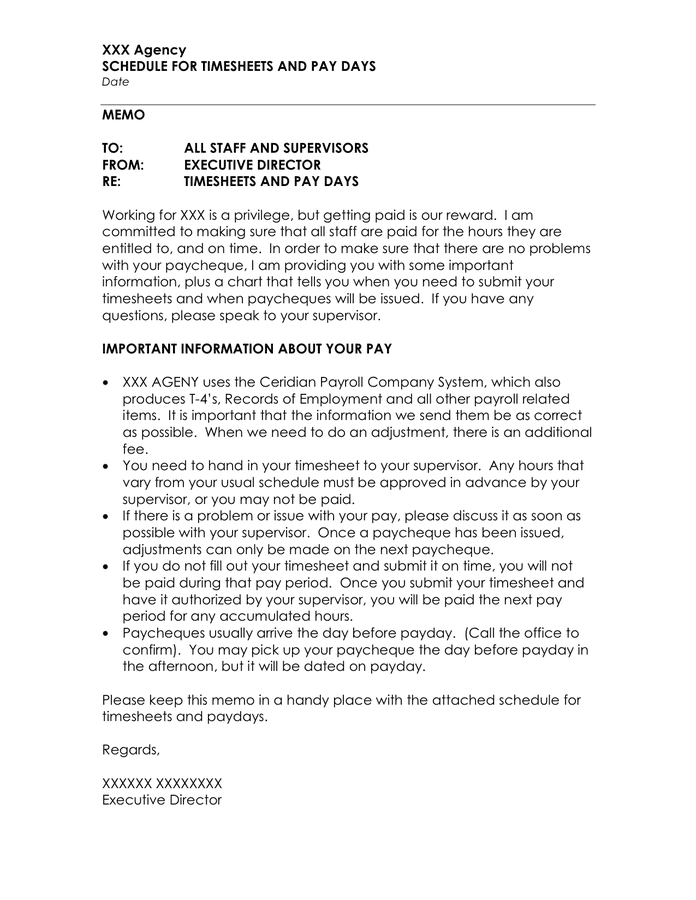 696×900 memo sample word formats from www.dexform.com
  600×779 message drafted general eisenhower case day invasion failed from www.archives.gov
  768×1024 memo template templates word excel from www.formsbirds.com
  730×495 daily operations checklist smes small business site from www.thesmallbusinesssite.co.za
 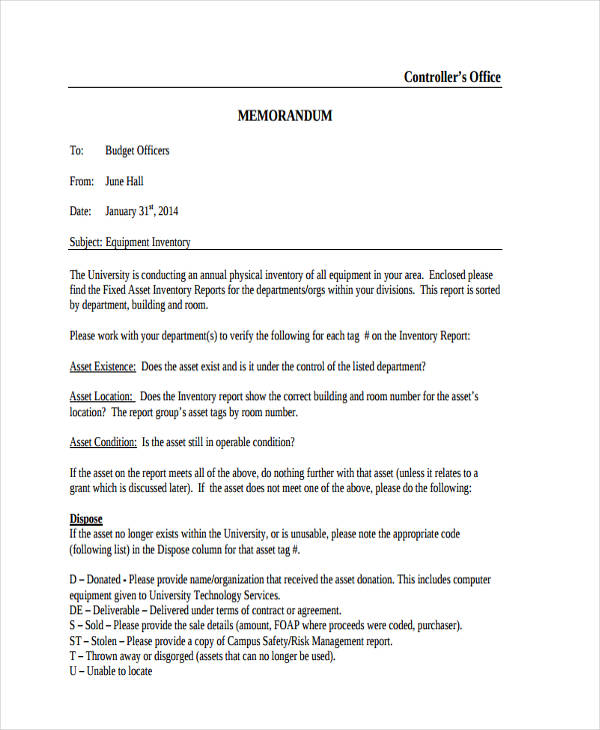 600×730 company memo examples from www.examples.com
  951×662 guidance memo essential operations updated kuamcom kuam news from www.kuam.com
  474×818 daily operations images effective meetings life coach from www.pinterest.com
  700×906 ops overtime memo policy from www.documentcloud.org
  960×720 daily operations worksheet business operations management formats from www.slideteam.net
  696×900 memo sample word formats page from www.dexform.com