
Personal Savings Goal Tracker Excel Sheet
Here’s a description and explanation of a personal savings goal tracker Excel sheet, formatted in HTML:
Personal Savings Goal Tracker in Excel
Saving money can feel like an uphill battle, especially without a clear plan. A personal savings goal tracker in Excel can be an incredibly useful tool for organizing your finances, visualizing your progress, and staying motivated to achieve your financial aspirations. This guide outlines how to build and use an effective savings tracker.
Why Use an Excel Spreadsheet for Savings Tracking?
- Customization: Excel allows you to tailor the spreadsheet to your specific needs and goals. You can add or remove columns, adjust formulas, and change formatting to suit your preferences.
- Cost-Effective: Excel is a one-time purchase or often comes bundled with other software. It’s a more affordable option than dedicated financial planning software that may have subscription fees.
- Offline Access: Unlike web-based trackers, your Excel sheet is accessible even without an internet connection.
- Data Security: Your financial data remains on your computer, providing a greater sense of control and privacy compared to storing it on a third-party server.
- Familiarity: Many people are already familiar with the basic functions of Excel, making it easier to set up and use compared to learning a new application.
Creating Your Savings Tracker
1. Setting Up the Basic Structure
Start by opening a new Excel workbook. The basic columns you’ll need are:
- Goal Name: (e.g., “Down Payment on House,” “Emergency Fund,” “Vacation”) This column identifies each individual savings goal.
- Goal Amount: The total amount of money you want to save for each goal.
- Start Date: The date you began saving for this goal.
- Target Date: The date you hope to achieve your savings goal. This helps you create a timeline and calculate how much you need to save per period.
- Amount Saved to Date: The current amount you’ve accumulated towards the goal.
- Regular Contribution Amount: The amount you plan to save per week, bi-weekly, or month.
- Contribution Frequency: Specify the period such as Weekly, Bi-Weekly, or Monthly.
2. Adding Detailed Transaction Tracking
To gain a more detailed understanding of your savings, add a section below the summary table to track individual transactions. This will allow you to easily identify your contribution amount and date.
- Date: The date of each deposit into your savings account.
- Description: A brief explanation of the deposit (e.g., “Paycheck Deposit,” “Side Hustle Income,” “Tax Refund”).
- Amount: The amount of the deposit.
- Goal: (Dropdown list referencing the Goal Names from the summary table). This column links the deposit to a specific savings goal.
3. Implementing Formulas for Automatic Calculations
Excel’s formulas are the key to automating your savings tracker. Here are some essential formulas:
- Remaining Amount: In the summary table, create a column titled “Remaining Amount.” Use the formula:
=Goal Amount - Amount Saved to Date. This shows how much more you need to save for each goal. - Progress Percentage: Create a “Progress (%)” column. Use the formula:
=(Amount Saved to Date / Goal Amount)and format the cell as a percentage. This visually represents your progress towards each goal. - Amount Saved to Date (Automated): This is perhaps the most important automated element. Instead of manually updating the “Amount Saved to Date” in the summary table, use the
SUMIFfunction. Assuming your detailed transaction table is in columns A to D (Date, Description, Amount, Goal respectively), and your summary table with Goal names is in column F, and the “Amount Saved to Date” column in the summary table is in column G, the formula in the first row of column G would look like:=SUMIF(D:D, F1, C:C). Adjust the cell references as needed to match your spreadsheet layout. This formula automatically sums all the amounts in the transaction table that are associated with a specific goal. - Projected Completion Date: (Optional, but very useful). This requires a more complex formula and depends on the regularity of your contributions. If your contributions are perfectly regular, you can estimate the remaining months using:
=IF(Remaining Amount>0,TODAY()+((Remaining Amount/Regular Contribution Amount)*Contribution Frequency_Factor), "Achieved"). WhereContribution Frequency_Factoris a number representing the number of days in the Contribution Frequency period. For Weekly this would be 7, for bi-weekly this would be 14, and for monthly this would be (365/12). If contributions are not perfectly regular, this projection will be less accurate. TheIFstatement checks if there is remaining amount to be saved. If the remaining amount is more than zero, then it uses the formula, otherwise it shows “Achieved”.
4. Formatting for Clarity and Visual Appeal
Effective formatting can make your spreadsheet easier to read and more motivating to use.
- Headers: Use bold font and different background colors for the column headers.
- Number Formatting: Format currency columns (Goal Amount, Amount Saved, etc.) with the appropriate currency symbol and decimal places. Format percentage columns with percentage formatting.
- Conditional Formatting: Use conditional formatting to highlight cells based on their values. For example:
- Highlight goals that are 80% or more complete with green.
- Highlight goals where the target date is approaching (e.g., within the next 3 months) with yellow.
- Highlight goals where no contributions have been made in the last month with red (requires more complex formulas involving dates).
- Borders: Add borders around cells and tables to visually separate different sections of the spreadsheet.
- Charts: Create charts to visualize your progress. A pie chart showing the percentage saved for each goal or a line graph showing your savings trend over time can be highly motivating. Select the data to be charted, go to the “Insert” tab, and choose the chart type that best represents your data.
5. Using Data Validation for Accuracy
Data validation helps prevent errors and ensures consistency in your data entry.
- Goal Column in Transaction Table: Create a dropdown list in the “Goal” column of the transaction table that allows users to select only the goal names from the summary table. To do this:
- Select the cells in the “Goal” column of the transaction table.
- Go to the “Data” tab and click “Data Validation.”
- In the “Settings” tab, choose “List” from the “Allow” dropdown.
- In the “Source” box, enter the range of cells containing the goal names in your summary table (e.g.,
=$F$1:$F$3, assuming goal names are in cells F1 to F3). The dollar signs make the reference absolute so it doesn’t change when you copy the validation down. - Click “OK.”
- Date Column: Use data validation to ensure that only valid dates are entered into the date columns.
- Amount Column: Use data validation to ensure that only numerical values are entered into the amount columns.
Example Savings Tracker Layout
Here’s a sample layout for your Excel spreadsheet:
Summary Table: | Goal Name | Goal Amount | Start Date | Target Date | Amount Saved to Date | Regular Contribution Amount | Contribution Frequency | Remaining Amount | Progress (%) | Projected Completion Date | |------------------------|-------------|------------|-------------|----------------------|-----------------------------|------------------------|------------------|--------------|----------------------------| | Down Payment on House | $50,000 | 2023-01-01 | 2025-01-01 | $15,000 | $500 | Monthly | $35,000 | 30% | (Formula) | | Emergency Fund | $10,000 | 2023-04-01 | 2024-04-01 | $4,000 | $200 | Bi-Weekly | $6,000 | 40% | (Formula) | | Vacation | $5,000 | 2023-07-01 | 2024-07-01 | $1,000 | $100 | Weekly | $4,000 | 20% | (Formula) | Transaction Table: | Date | Description | Amount | Goal | |------------|---------------------|--------|--------------------------| | 2023-01-15 | Paycheck Deposit | $500 | Down Payment on House | | 2023-02-15 | Paycheck Deposit | $500 | Down Payment on House | | 2023-03-15 | Paycheck Deposit | $500 | Down Payment on House | | 2023-04-01 | Paycheck Deposit | $200 | Emergency Fund | | 2023-04-15 | Paycheck Deposit | $200 | Emergency Fund | | ... | ... | ... | ... |
Tips for Maintaining Your Savings Tracker
- Regular Updates: Update your spreadsheet at least once a week to keep track of your progress.
- Accuracy: Double-check your entries to ensure that the data is accurate.
- Review and Adjust: Periodically review your savings goals and adjust your contribution amounts or target dates as needed. Life circumstances change.
- Stay Motivated: Use the visual cues in your spreadsheet (charts, conditional formatting) to stay motivated and celebrate your milestones.
- Back Up Your Data: Regularly back up your Excel file to prevent data loss.
Conclusion
A personal savings goal tracker in Excel is a powerful tool for managing your finances and achieving your financial goals. By setting up a structured spreadsheet, implementing formulas, and tracking your progress regularly, you can gain greater control over your savings and build a more secure financial future. The customization options also means your savings tracker grows with you and your changing needs.
 1335×847 savings goal tracker spreadsheet excel spreadsheet from db-excel.com
  800×418 savings goal tracker excel template exceldatapro from exceldatapro.com
 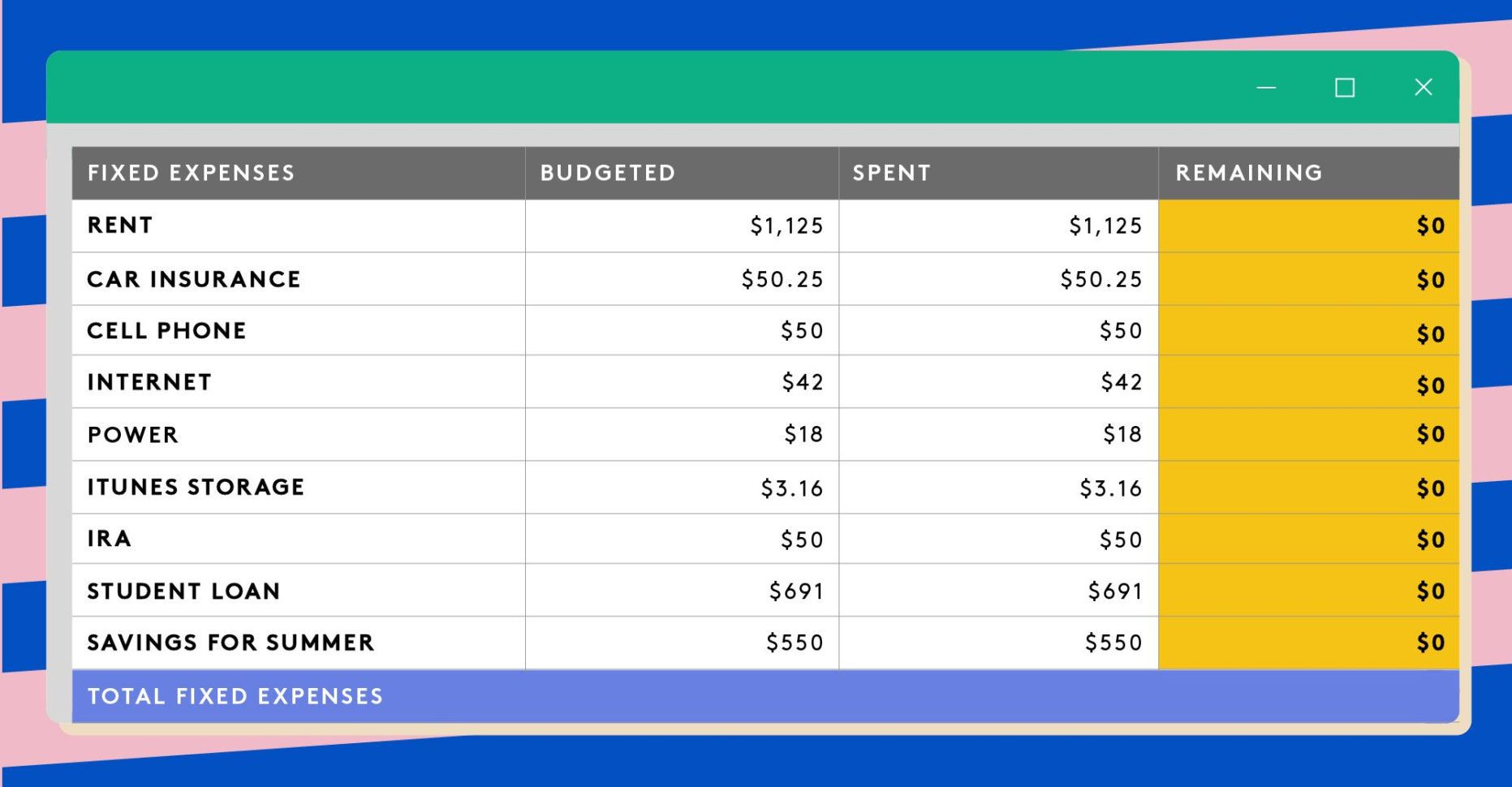 1863×970 savings goal tracker spreadsheet db excelcom from db-excel.com
  2001×2556 savings goal tracker spreadsheet track expenses from db-excel.com
  1024×783 savings goal tracker spreadsheet printable family from db-excel.com
  687×529 savings goal tracker excel templates from excel-templates.blogspot.com
  1004×776 savings goal tracker people budget from www.vertex42.com
  3300×2550 savings goal spreadsheet spreadsheet downloa savings goal spreadsheet from db-excel.com
  660×510 savings goal tracker templates excel word collections from www.bestcollections.org
  1588×1060 savings goal tracker goal tracking spreadsheet excel goal etsy from www.etsy.com