
Modern Memo Template For Email
Crafting the Modern Email Memo: Templates and Best Practices
The internal memo, once a staple of office communication delivered via paper, has largely migrated to email. However, the core principles remain: clarity, conciseness, and a professional tone. A well-crafted email memo is crucial for efficient information dissemination, aligning teams, and driving action. This guide explores the essential elements of a modern email memo template, along with best practices to ensure your message resonates.
Why Use an Email Memo Template?
Templates offer several advantages:
- Consistency: Standardized formatting across memos builds a professional brand and makes information easier to locate and process.
- Efficiency: Pre-built structures save time and effort, allowing you to focus on content rather than formatting.
- Clarity: Templates enforce a logical flow, guiding you to present information in a clear and understandable manner.
- Completeness: Templates act as checklists, reminding you to include essential details.
Essential Components of a Modern Email Memo Template
While flexibility is important, a good email memo template generally includes these sections:
- Header:
- To: The recipient(s) of the memo. Use specific names or group email addresses. Consider carefully who *needs* to be included versus who might be copied for informational purposes.
- From: Your name and title. This establishes authority and provides context.
- Date: The date the memo was sent.
- Subject: A concise and informative subject line. This is the single most important factor in whether the memo is opened and read. Be specific (e.g., “Project Phoenix Update: Q3 Performance Review” instead of just “Project Update”).
- Introduction/Executive Summary:
- Begin with a brief statement outlining the purpose of the memo. Clearly state the key message or action required.
- For longer memos, include a short executive summary that encapsulates the main points. This allows busy readers to quickly grasp the core message.
- Use action verbs to convey purpose. Examples: “This memo informs you…”, “This memo requests…”, “This memo announces…”.
- Background/Context:
- Provide necessary background information to contextualize the issue. Assume the reader may not be fully aware of the situation.
- Keep it concise and relevant. Avoid unnecessary details that could distract from the main message.
- Cite any relevant documents or previous communications. Include links if possible.
- Body/Main Points:
- Present the core information clearly and logically. Break down complex information into manageable chunks.
- Use bullet points, numbered lists, headings, and subheadings to improve readability.
- Each paragraph should focus on a single key point.
- Employ strong, concise language. Avoid jargon or overly technical terms unless your audience is familiar with them.
- Use visual aids like charts or tables sparingly and only when they significantly enhance understanding.
- Action Items/Recommendations:
- Clearly state what action, if any, is required from the recipient(s).
- Assign specific tasks and deadlines.
- Offer concrete recommendations or solutions.
- Use action-oriented language. Example: “Please submit your report by…”, “We recommend implementing…”.
- Conclusion:
- Summarize the key takeaways and reiterate the desired outcome.
- Express appreciation or offer assistance.
- Provide contact information for further inquiries.
- End on a positive and proactive note.
- Attachments (Optional):
- Clearly mention any attachments in the body of the memo.
- Use descriptive filenames for easy identification.
- Ensure attachments are accessible and in a commonly used format (e.g., PDF).
Example Email Memo Template
To: [Recipient Name(s) or Group Email]
From: [Your Name, Your Title]
Date: [Date]
Subject: [Specific and Informative Subject Line]
Introduction:
This memo [informs you about / requests your input on / announces] [briefly state the main purpose].
Background:
[Provide brief context. Include relevant dates, events, or previous communications.]
Key Points:
- [Point 1: Concise and clear.]
- [Point 2: Concise and clear.]
- [Point 3: Concise and clear.]
Action Items/Recommendations:
- [Action Item 1: Who, What, When.]
- [Action Item 2: Who, What, When.]
- [Recommendation: Suggest a specific course of action.]
Conclusion:
In summary, [reiterate the key takeaways]. Please [take the necessary action] by [deadline]. Contact me at [your email address] or [your phone number] if you have any questions.
Thank you for your attention to this matter.
Sincerely,
[Your Name]
Best Practices for Effective Email Memos
- Know Your Audience: Tailor your language and tone to the recipients. Consider their level of familiarity with the topic and their preferred communication style.
- Be Concise: Respect your reader’s time. Get to the point quickly and avoid unnecessary jargon or fluff. Aim for clarity and brevity.
- Proofread Carefully: Errors in grammar and spelling can undermine your credibility. Always proofread your memo before sending it. Consider using a grammar checker.
- Use a Professional Tone: Maintain a professional and respectful tone, even when addressing sensitive issues. Avoid sarcasm or personal attacks.
- Consider Formatting: Use formatting to enhance readability. White space, headings, bullet points, and bolding can help readers quickly scan and understand the information.
- Use “Reply All” Sparingly: Only include recipients who genuinely need to be informed. Avoid unnecessary email clutter.
- Track Responses: If you’re requesting action, track responses to ensure tasks are completed. Use follow-up emails as needed.
- Accessibility: Consider accessibility for all recipients. Use alt text for images, ensure sufficient color contrast, and provide alternative formats if necessary.
- Mobile-Friendly: Ensure your memo is readable on mobile devices. Use a responsive design and avoid long, unbroken blocks of text.
- Test Your Template: Before rolling out a new template, test it with a small group to gather feedback and identify any areas for improvement.
By utilizing a well-structured email memo template and adhering to these best practices, you can ensure your internal communications are clear, concise, and effective, leading to improved collaboration and productivity.
 585×450 email memo templates word documents from www.template.net
  600×340 email memo templates sample format from www.template.net
  585×746 email memo templates word documents from www.template.net
 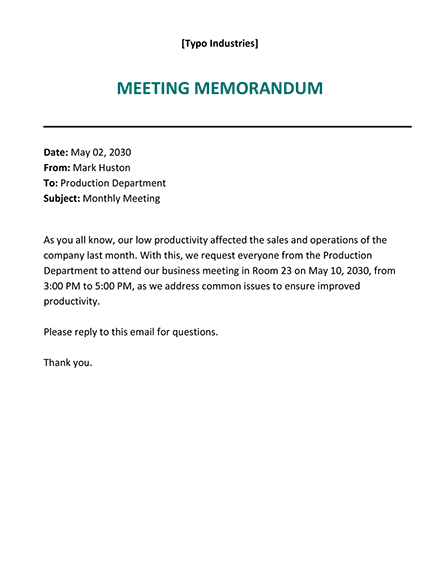 440×570 sample email memo template word templatenet from www.template.net
 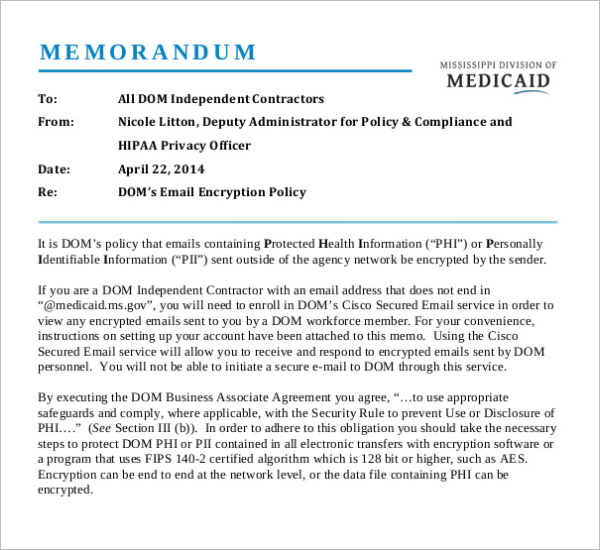 600×550 email memo templates formats from www.creativetemplate.net
 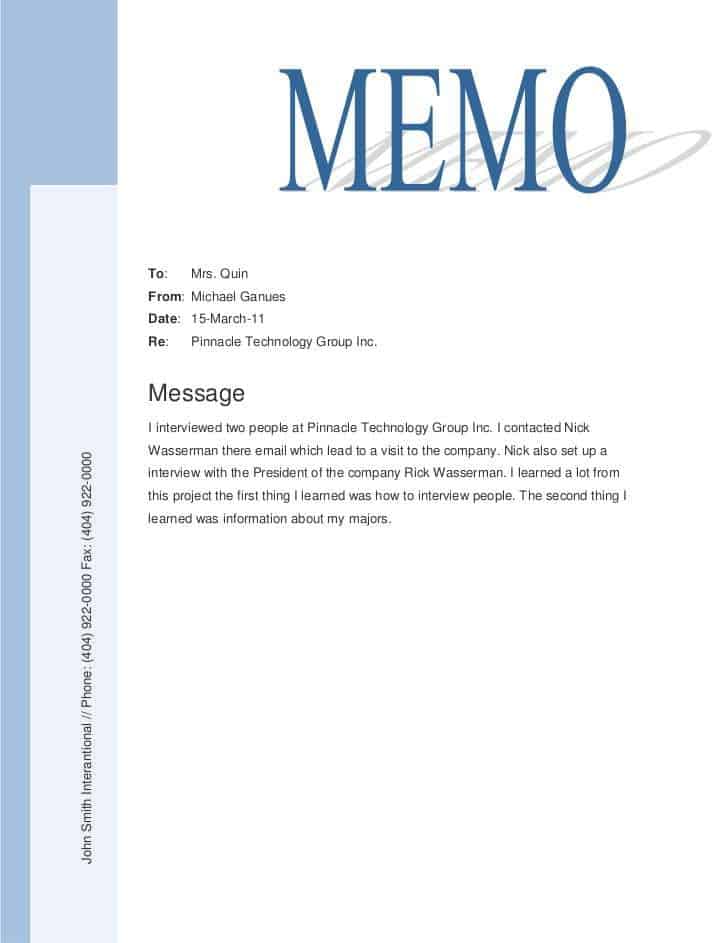 728×943 memo template word excel formats from www.templatesdoc.com
  1024×1446 memo samples format examples premium templates from www.template.net