
Memo To Stakeholders Sample Format
Here’s an HTML formatted memo template and guide tailored for stakeholders:
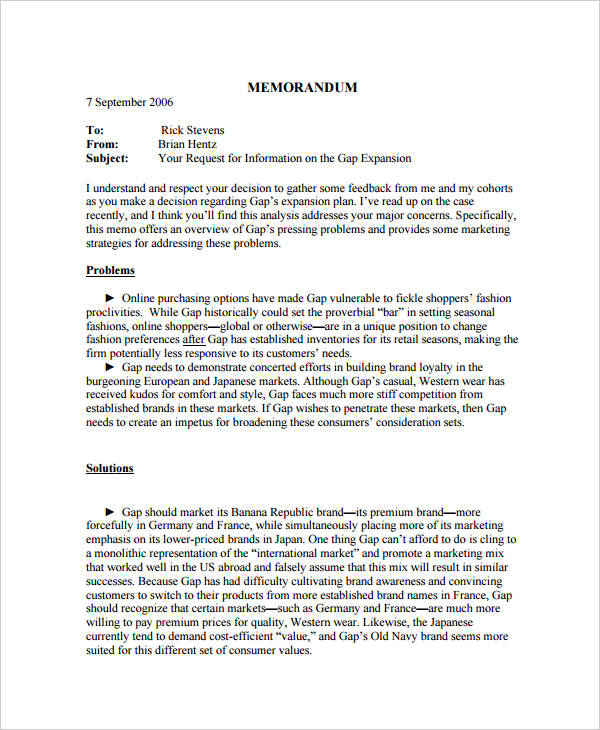
MEMORANDUM
TO: [List of Stakeholders – Names, Titles, and/or Departments]
FROM: [Your Name, Your Title]
DATE: [Date]
SUBJECT: [Clear and Concise Subject Line – Highlights the Memo’s Purpose]
Executive Summary:
[Provide a brief, 2-3 sentence summary of the memo’s key message and desired outcome. This is for stakeholders who may only skim the document. Example: “This memo provides an update on the [Project Name] implementation, highlighting our successful completion of Phase 1. We are requesting stakeholder feedback on the proposed changes to the training materials to ensure successful user adoption.”]
Background:
[Describe the context or situation that necessitates this memo. Why are you writing this now? What problem or opportunity are you addressing? Provide enough detail for stakeholders to understand the situation, even if they are not intimately familiar with the project or issue. Avoid jargon and internal acronyms without explanation.
Example: “As you know, we have been working on the implementation of [Project Name], a new [System/Process] designed to [Achieve Specific Goal, e.g., improve customer satisfaction, streamline operations, reduce costs]. This project is critical to our organization’s strategic goals of [List Strategic Goals]. Previous communication on this topic included [Mention Previous Communications, e.g., project kickoff meeting, weekly status reports].”
Current Status/Findings:
[Present the current status of the project, issue, or topic. Be clear and factual. Use data or metrics to support your statements whenever possible. If there are problems, acknowledge them honestly and proactively. Avoid sugarcoating or downplaying challenges. Be transparent about both successes and areas needing improvement.]
Example – For a Project Update: “We are pleased to report that Phase 1 of [Project Name] was successfully completed on [Date], on time and within budget. Key accomplishments include [List 2-3 Key Accomplishments with quantifiable results if available, e.g., successful migration of data to the new platform, completion of user acceptance testing with a 95% satisfaction rate]. We encountered minor challenges related to [Briefly mention challenges and how they were addressed, e.g., integration with the legacy system, which required a slight adjustment to the timeline for data cleansing]. We have implemented a workaround and are on track to maintain the overall project schedule.”
Example – For an Issue/Problem: “We have identified a potential risk related to [Clearly state the issue/risk, e.g., potential delays in the delivery of key components from our vendor]. This risk could impact our ability to [Explain the potential consequences, e.g., meet the project deadline, maintain service levels]. The root cause of this issue appears to be [Explain the root cause based on your investigation, e.g., supply chain disruptions, communication breakdown with the vendor].”
Analysis:
[Provide your analysis of the situation. What does the current status or findings mean? What are the implications for stakeholders? Connect the dots between the status/findings and the overall goals or objectives. Explain the potential impacts of the situation on the organization, its stakeholders, or its customers.]
Example – Following the Project Update: “The successful completion of Phase 1 provides a strong foundation for the remainder of the project. It demonstrates our team’s ability to execute the project plan effectively and efficiently. The positive results from user acceptance testing indicate that the new system is user-friendly and meets the needs of our users.”
Example – Following the Issue/Problem Description: “If the vendor delays are not resolved quickly, we could face delays of up to [Estimate the potential delay] in the project timeline. This would impact our ability to [Explain the specific impacts, e.g., launch the new product on schedule, meet our revenue targets]. We are exploring alternative solutions to mitigate this risk.”
Recommendations/Proposed Actions:
[Clearly state your recommendations or proposed actions. What do you want stakeholders to do? Be specific and actionable. If you are proposing multiple options, outline the pros and cons of each option. If you are requesting a decision from stakeholders, clearly state the options and the information they need to make an informed decision.]
Example – For a Project Update and Request for Feedback: “We are proposing the following changes to the training materials based on feedback received during user acceptance testing: [List the proposed changes]. We request that stakeholders review the attached revised training materials and provide feedback by [Date]. This feedback will be incorporated into the final training program.”
Example – For an Issue/Problem and Request for Decision: “We have identified the following two options to mitigate the risk of vendor delays: [Option 1: Find an alternative vendor. Option 2: Offer incentives to the current vendor to expedite delivery]. Option 1 would cost approximately [Estimate the cost] and could potentially add [Estimate the time] to the project timeline. Option 2 would cost approximately [Estimate the cost] and would likely reduce the potential delay to [Estimate the reduced delay]. We recommend Option 2 because it is less expensive and would minimize the impact on the project timeline. We request your approval to proceed with Option 2.”
Next Steps:
[Outline the next steps that will be taken, regardless of stakeholder action. Provide a timeline for these next steps. Who is responsible for each step? This demonstrates that you are taking ownership of the situation and are proactively moving forward.]
Example: “The next steps are as follows: 1) We will distribute the revised training materials to stakeholders by [Date]. 2) Stakeholders will provide feedback by [Date]. 3) We will incorporate the feedback and finalize the training program by [Date]. 4) We will begin user training on [Date].”
Contact Information:
[Provide your contact information and the contact information of any other relevant individuals. This allows stakeholders to easily reach out with questions or concerns.]
Example: “Please contact [Your Name] at [Your Email Address] or [Your Phone Number] if you have any questions or require further information. You can also contact [Another Relevant Person’s Name] at [Their Email Address] or [Their Phone Number].”
Attachments:
[List any attachments included with the memo.]
Example: “Attached: Revised Training Materials, Vendor Contract, Project Timeline.”
 1233×562 stakeholder management project management from opentextbc.ca
  600×730 management memo examples from www.examples.com
  786×1024 letter stakeholders from studylib.net
  600×730 strategy memo examples from www.examples.com
  1024×1446 sample stakeholder management plan template google docs word from www.template.net