
Employee Leave Application Tracker Excel Template
Here’s an HTML-formatted explanation of an employee leave application tracker Excel template, focusing on its features, benefits, and customization: “`html
Employee Leave Application Tracker Excel Template
Managing employee leave can be a complex task, involving numerous applications, approvals, and accurate record-keeping. An employee leave application tracker Excel template offers a streamlined and efficient solution for businesses of all sizes. This document outlines the template’s features, benefits, customization options, and provides guidance on its effective use.
What is an Employee Leave Application Tracker Excel Template?
An employee leave application tracker Excel template is a pre-designed spreadsheet that helps organizations monitor and manage employee leave requests, approvals, and balances. It serves as a centralized repository for all leave-related information, making it easier to track employee time off, ensure adequate staffing levels, and maintain accurate payroll records.
Key Features of a Comprehensive Template
- Employee Database: A section to store essential employee information, including name, employee ID, department, job title, and contact details. This data serves as the foundation for tracking leave requests.
- Leave Application Form: A standardized form for employees to submit leave requests, specifying the type of leave (e.g., vacation, sick leave, personal leave), start and end dates, and reason for leave.
- Automated Leave Calculation: Formulas that automatically calculate the duration of leave requested based on the start and end dates. This feature reduces manual calculation errors.
- Leave Balance Tracking: A dynamic system that tracks each employee’s available leave balance for various leave types. The balance should automatically update upon approval or rejection of leave requests.
- Approval Workflow: A designated column for tracking the status of leave requests (e.g., pending, approved, rejected). Conditional formatting can be used to visually highlight the status of each request.
- Reporting and Analytics: Summary reports and charts that provide insights into leave patterns, trends, and utilization rates. This information can help with workforce planning and resource allocation.
- Calendar View: A calendar integration that displays approved leave dates for all employees, providing a visual overview of employee absences.
- Leave Type Configuration: Flexibility to define and configure different types of leave, each with its own accrual rules and policies.
- Notes and Comments: A section for managers and HR to add notes or comments regarding leave requests, approvals, or rejections.
- Audit Trail: A record of all actions taken on leave requests, including the date, time, and user who made the change. This feature enhances transparency and accountability.
Benefits of Using a Leave Application Tracker Excel Template
- Improved Efficiency: Streamlines the leave application and approval process, reducing paperwork and manual effort.
- Enhanced Accuracy: Minimizes errors in leave calculations and balance tracking.
- Better Visibility: Provides a centralized view of employee leave information, making it easier to manage absences and plan resources.
- Reduced Administrative Costs: Automates many administrative tasks, freeing up HR staff to focus on more strategic initiatives.
- Improved Compliance: Helps ensure compliance with company leave policies and labor laws.
- Data-Driven Decision-Making: Provides data insights that can be used to improve workforce planning and resource allocation.
- Easy to Use and Accessible: Excel is a widely used and familiar tool, making the template easy for employees and managers to use.
- Cost-Effective: A relatively inexpensive solution compared to dedicated HR software systems, especially for small to medium-sized businesses.
- Customizable: Can be easily customized to meet the specific needs of an organization.
- Enhanced Employee Satisfaction: Provides a transparent and efficient leave management process, which can improve employee satisfaction.
Customizing Your Leave Application Tracker Template
While many pre-built templates are available, customization is key to making it truly effective for your organization. Consider these customization options:
- Add Custom Leave Types: Include specific leave types relevant to your organization (e.g., bereavement leave, jury duty leave, parental leave).
- Modify Accrual Rules: Customize the leave accrual rules based on employee tenure, job level, or other criteria. Implement tiered accrual systems if needed.
- Incorporate Company Branding: Add your company logo, colors, and fonts to the template for a professional look.
- Integrate with Other Systems: Explore options for integrating the template with other HR systems, such as payroll or time tracking software. This might involve exporting data or using Excel’s data connection features.
- Implement User Roles and Permissions: Restrict access to certain sections of the template based on user roles (e.g., employee, manager, HR). Use password protection or Excel’s security features to control access.
- Add Validation Rules: Implement data validation rules to ensure data accuracy and consistency. For example, restrict the date format, limit the number of characters in a field, or provide a dropdown list of options.
- Develop Custom Reports: Create custom reports and charts to analyze leave data in specific ways that are relevant to your organization.
- Automate Notifications: Use VBA macros to automate email notifications for leave requests, approvals, or rejections. This helps to keep employees and managers informed.
- Adjust for Labor Laws: Ensure the template complies with all applicable labor laws regarding leave entitlements and policies in your region.
- Mobile Accessibility: Consider how employees can access and submit leave requests on mobile devices. You might need to optimize the template for mobile viewing or explore alternative solutions like cloud-based spreadsheets.
Best Practices for Using the Template
- Clearly Define Leave Policies: Ensure that your company’s leave policies are clearly documented and communicated to all employees.
- Train Employees and Managers: Provide training on how to use the template and understand the leave policies.
- Regularly Update the Template: Keep the template up-to-date with any changes to leave policies, labor laws, or company branding.
- Back Up Your Data: Regularly back up the template to prevent data loss.
- Monitor Data Accuracy: Periodically review the data in the template to ensure accuracy and identify any errors.
- Use Version Control: Implement version control to track changes to the template and ensure that everyone is using the latest version.
- Protect Sensitive Data: Implement security measures to protect sensitive employee data.
- Seek Legal Advice: Consult with legal counsel to ensure that your leave policies and template comply with all applicable laws.
- Gather Feedback: Regularly solicit feedback from employees and managers on how to improve the template and the leave management process.
- Keep it Simple: Avoid over-complicating the template with unnecessary features. Keep it user-friendly and easy to understand.
Conclusion
An employee leave application tracker Excel template is a valuable tool for managing employee time off efficiently and effectively. By understanding its features, benefits, and customization options, organizations can create a tailored solution that meets their specific needs and helps improve workforce planning, compliance, and employee satisfaction. By following the best practices outlined above, you can maximize the benefits of the template and ensure a smooth and efficient leave management process.
“`
 1760×1140 employee leave tracker template ms excel google sheets from www.template.net
  1760×1140 employee leave tracker template excel google sheets from www.template.net
  1365×700 employee leave tracker staff vacation planner excel from www.someka.net
  1912×910 purelyhr employee leave tracker template from blog.purelyhr.com
  1760×1140 employee leave tracker template excel google sheets from www.template.net
  849×403 employee leave tracker excels app from excelsapp.com
  1140×855 brilliant tips employee leave tracker excel template fixbook from fixbook.japanchin.net
  1920×805 excel leave tracker template from www.templarket.com
  0 x 0 employee leave tracker excel template leave management excel time from www.etsy.com
  1254×970 leave tracker excel template db excelcom from db-excel.com
  474×335 excel employee leave tracker exceldemy from www.exceldemy.com
  1760×1140 leave tracker template excel google sheets templatenet from www.template.net
  1280×720 annual leave plan template excel printable schedule monthly from www.vrogue.co
  1280×720 employee leave tracker excel annual leave template vrogueco from www.vrogue.co
 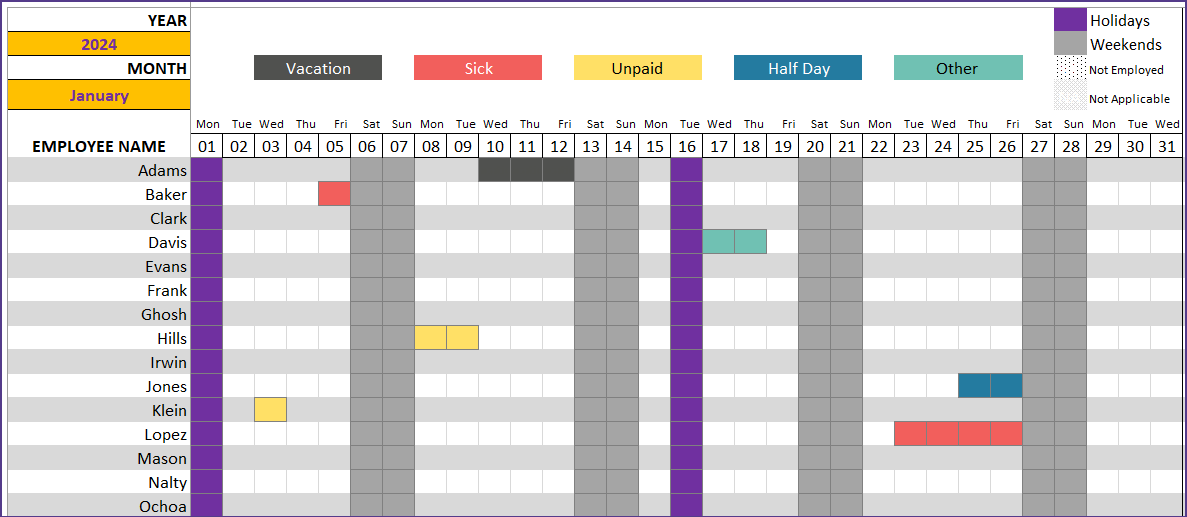 1187×517 employee leave tracker excel template from indzara.com
  0 x 0 leave tracker excel template pto tracker from www.someka.net
  474×307 leave tracker template excel google sheets templatenet from www.template.net
  0 x 0 leave tracker excel template employee absence tracker leave from www.etsy.com
  1566×780 excel leave tracker template eloquens from www.eloquens.com