
Customer Feedback Tracker Excel Template With Charts
“`html
Customer Feedback Tracker Excel Template with Charts
In today’s customer-centric business environment, understanding and responding to customer feedback is paramount for success. Tracking customer feedback effectively allows businesses to identify areas for improvement, enhance customer satisfaction, and ultimately drive growth. An Excel template designed for customer feedback tracking, complete with integrated charts, offers a powerful and accessible solution for managing this critical information.
Why Use an Excel Template for Customer Feedback Tracking?
While dedicated CRM or customer feedback platforms exist, an Excel template presents several advantages, particularly for small to medium-sized businesses (SMBs) or teams just starting to formalize their feedback collection process:
- Cost-Effectiveness: Excel is often already part of an organization’s software suite, eliminating the need for additional subscriptions or licensing fees.
- Accessibility and Familiarity: Most users have some familiarity with Excel, making it easy to learn and use the template without extensive training.
- Customization: Excel’s flexibility allows for tailoring the template to specific business needs and feedback categories. You can add or remove columns, adjust formulas, and customize charts to reflect your unique data requirements.
- Offline Access: Excel files can be accessed and updated offline, enabling data entry and analysis even without an internet connection.
- Simplicity: For smaller volumes of feedback, an Excel template offers a simpler solution compared to more complex software platforms.
Key Features of a Customer Feedback Tracker Excel Template
A well-designed customer feedback tracker template should include the following essential features:
Data Entry Section:
- Customer Information: Fields to capture customer name, contact details (email, phone number), and any relevant demographic or account information. This helps in segmenting feedback and identifying trends.
- Feedback Source: A dropdown menu to indicate the source of the feedback (e.g., website survey, email, phone call, social media, in-person interaction). This helps determine the effectiveness of different feedback channels.
- Date of Feedback: A date field to track when the feedback was received. This is crucial for identifying trends over time and prioritizing recent issues.
- Feedback Category: Predefined categories (e.g., product quality, customer service, pricing, delivery) to classify the feedback. This allows for focused analysis and targeted improvements. Consider using a dropdown menu with a standardized list of categories to ensure consistency.
- Feedback Type: Categorize the feedback as positive, negative, or neutral. This provides a quick overview of the overall sentiment.
- Detailed Feedback Description: A text field for recording the specific details of the customer’s feedback. This is the most important field as it contains the actual customer input.
- Resolution Status: A status field (e.g., Open, In Progress, Resolved, Closed) to track the progress of addressing the feedback.
- Assigned To: A field to assign responsibility for addressing the feedback to a specific team member.
- Resolution Notes: A field to document the actions taken to address the feedback. This provides a record of the resolution process.
- Resolution Date: The date the feedback was resolved.
- Customer Satisfaction Score (Optional): If applicable, include a numerical rating scale (e.g., 1-5 stars) to capture the customer’s satisfaction level after the issue was resolved.
Data Analysis and Reporting Section (Charts and Pivot Tables):
- Feedback Volume Over Time: A line chart showing the number of feedback submissions received each month or quarter. This helps identify trends in customer sentiment and the impact of specific events (e.g., product launches, marketing campaigns).
- Feedback Distribution by Category: A pie chart or bar chart showing the percentage of feedback submissions for each category (e.g., product quality, customer service). This highlights areas that require the most attention.
- Feedback Sentiment Distribution: A pie chart showing the percentage of positive, negative, and neutral feedback. This provides an overall snapshot of customer sentiment.
- Resolution Status Overview: A bar chart showing the number of feedback items in each resolution status (e.g., Open, In Progress, Resolved, Closed). This helps track the efficiency of the feedback resolution process.
- Feedback Source Analysis: A bar chart showing the number of feedback submissions from each source (e.g., website survey, email, phone call). This helps determine which channels are most effective at collecting feedback.
- Pivot Tables: Use pivot tables to summarize and analyze feedback data in various ways. For example, you can create a pivot table to show the average resolution time for each feedback category or the distribution of feedback sentiment by customer segment. Pivot tables are highly customizable and allow for deeper data exploration.
Creating Charts in Excel
Excel provides a variety of chart types to visualize your customer feedback data. Here’s a brief overview of how to create a chart:
- Select the Data: Select the data you want to include in the chart, including the labels (e.g., category names, dates).
- Insert Chart: Go to the “Insert” tab in the Excel ribbon and choose the desired chart type from the “Charts” group.
- Customize the Chart: Use the “Chart Tools” contextual tabs (Design, Layout, Format) to customize the chart’s appearance, add titles and labels, and adjust the axes.
- Choose the Right Chart Type: Select the chart type that best represents your data. For example, use a pie chart to show proportions, a bar chart to compare values, and a line chart to show trends over time.
Tips for Using the Customer Feedback Tracker
- Standardize Data Entry: Ensure that all users follow consistent data entry practices to maintain data accuracy and consistency. Use dropdown menus and validation rules to enforce standardized input.
- Regularly Update the Template: Keep the template up-to-date with the latest feedback data. Set a regular schedule for data entry and analysis.
- Analyze the Data Regularly: Don’t just collect feedback; analyze it regularly to identify trends, patterns, and areas for improvement.
- Share Insights with the Team: Share the insights gained from the feedback analysis with relevant team members and stakeholders.
- Take Action on the Feedback: Use the feedback to make concrete improvements to your products, services, and processes.
- Close the Loop: When possible, follow up with customers who provided feedback to let them know that their feedback was heard and that action has been taken. This demonstrates that you value their input.
- Consider Data Validation: Use Excel’s data validation features to ensure data integrity. For example, you can restrict the values that can be entered in a cell to a predefined list.
- Protect Your Data: Consider password-protecting the Excel file to prevent unauthorized access.
Example: Tracking Customer Service Feedback
Let’s say you want to track customer feedback regarding your customer service. You would have categories such as “Responsiveness,” “Knowledge,” “Helpfulness,” and “Friendliness.” After collecting feedback, your Excel template could generate the following charts:
- A pie chart showing that 40% of negative feedback relates to “Responsiveness,” indicating that customers are experiencing long wait times.
- A bar chart showing a downward trend in positive feedback related to “Knowledge” over the past three months, suggesting a need for additional training for customer service representatives.
By analyzing these charts, you can identify areas where your customer service team needs improvement and take targeted action to address those issues.
Conclusion
A customer feedback tracker Excel template with charts provides a simple, cost-effective, and customizable solution for managing and analyzing customer feedback. By effectively tracking and responding to customer feedback, businesses can improve customer satisfaction, enhance their products and services, and ultimately achieve greater success. Regularly reviewing and acting upon the insights derived from the template will contribute to a more customer-centric approach and drive continuous improvement.
“`
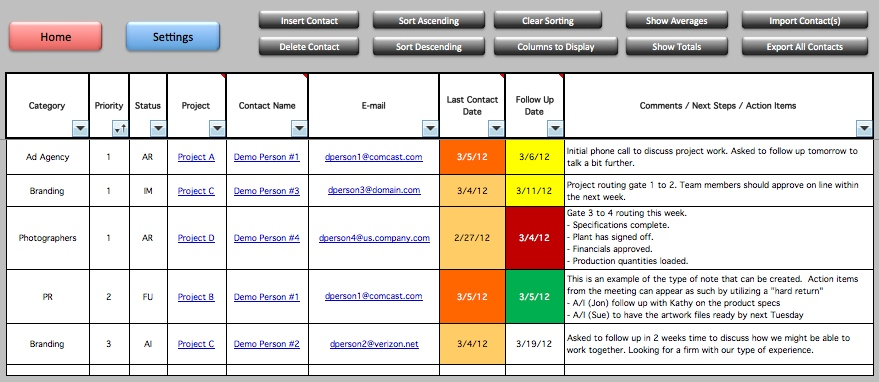 879×382 customer tracker excel template db excelcom from db-excel.com
  1920×1080 customer tracking spreadsheet template db excelcom from db-excel.com
  970×970 customer tracking excel template hitori customer from db-excel.com
 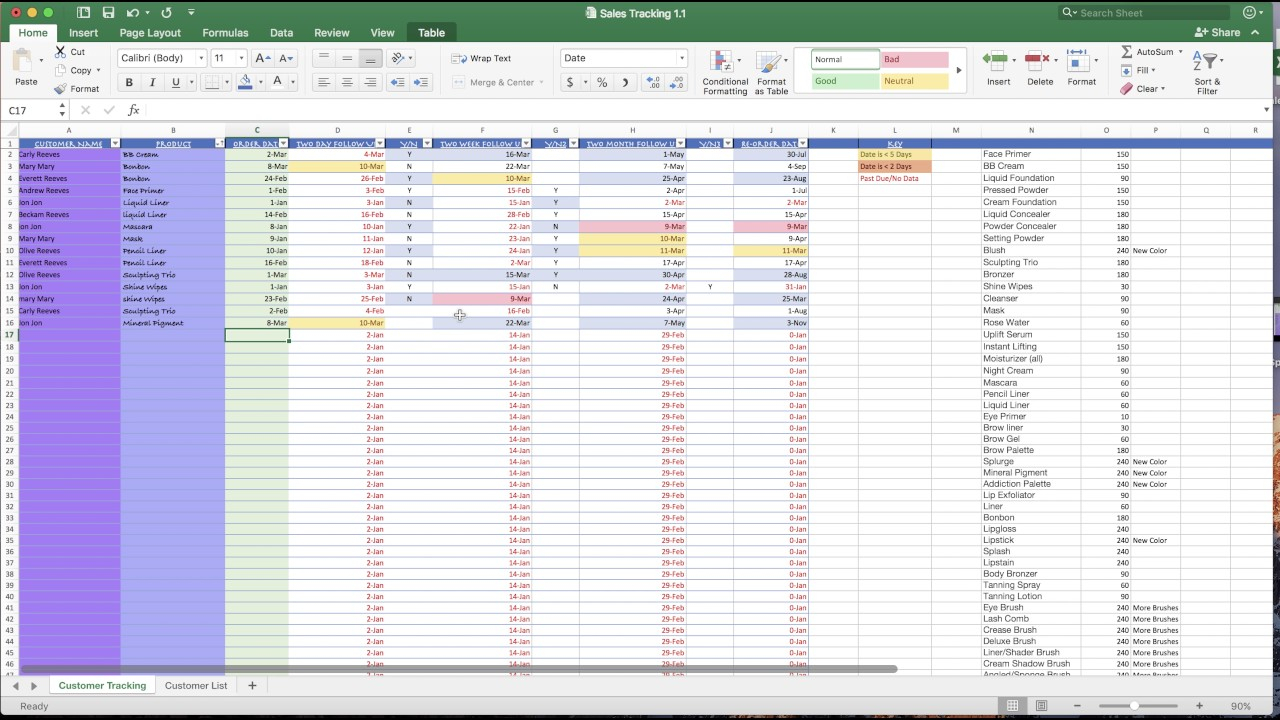 1280×720 customer tracking spreadsheet excel spreadsheet customer from db-excel.com
  1005×627 customer tracking excel template db excelcom from db-excel.com
  1274×834 customer tracking excel template excel spreadsheet templates microsoft from db-excel.com
  1260×1635 customer tracking excel template expense spreadshee customer issue from db-excel.com
  1121×692 customer tracking excel template excel templates from www.exceltemplate123.us
  2500×1180 customer tracking excel template tutoreorg master documents from tutore.org