
Business Proposal Memo Sample
“`html
Business Proposal Memo Sample: A Guide to Crafting a Persuasive Document
A business proposal memo serves as a concise and persuasive document designed to introduce a business opportunity or solution to a specific recipient, usually within an organization. It’s a preliminary step, often preceding a more detailed formal proposal. Its purpose is to pique interest, highlight key benefits, and secure approval to proceed to the next stage of discussion or development.
Key Components of a Business Proposal Memo
A well-structured business proposal memo typically includes the following components:
- Heading/Memorandum Information: Clearly identifies the document as a memo and includes essential information such as:
- To: The name and title of the recipient(s).
- From: Your name and title.
- Date: The date the memo was written.
- Subject: A concise and informative subject line that clearly indicates the proposal’s topic. For example: “Proposal: Implementation of New CRM System” or “Proposal: Streamlining Customer Onboarding Process.”
- Executive Summary: This is arguably the most crucial part. It’s a brief (typically 2-4 sentences) overview of the entire proposal. It should clearly state the problem, the proposed solution, and the expected benefits in a compelling manner. Think of it as an “elevator pitch” that captures the reader’s attention. For example: “This memo proposes the implementation of a new CRM system to improve sales team efficiency by 20% and enhance customer relationship management, resulting in increased customer retention and revenue growth.”
- Problem Statement: Clearly and concisely define the problem or opportunity the proposal addresses. Provide quantifiable data or specific examples to illustrate the severity and impact of the issue. Avoid ambiguity and emotional language; focus on objective facts. For example: “Currently, our sales team spends an average of 15 hours per week on administrative tasks related to customer data management. This inefficiency results in delayed follow-ups, missed opportunities, and a decrease in overall sales productivity.”
- Proposed Solution: Describe your proposed solution in detail, highlighting its key features and functionalities. Explain how it directly addresses the problem outlined in the previous section. Avoid technical jargon and focus on the practical application and benefits of the solution. For example: “The proposed CRM system will automate key sales processes, including lead management, contact tracking, and reporting. It will provide a centralized platform for all customer data, enabling the sales team to access information quickly and efficiently, improving their ability to personalize interactions and close deals.”
- Benefits and Advantages: Quantify the expected benefits of implementing the proposed solution. This is where you demonstrate the value proposition and justify the investment. Focus on tangible results, such as increased revenue, cost savings, improved efficiency, enhanced customer satisfaction, and reduced risk. Back up your claims with data or projections whenever possible. For example: “We project that the new CRM system will increase sales team efficiency by 20%, resulting in a 10% increase in overall sales revenue within the first year. It will also reduce administrative costs by 15% and improve customer satisfaction scores by 5%.”
- Implementation Plan (Optional): If appropriate, provide a brief overview of the implementation plan, including key milestones, timelines, and resources required. This demonstrates your preparedness and provides the recipient with a sense of feasibility. Keep it high-level and avoid getting bogged down in technical details. For example: “The implementation of the CRM system will involve three phases: data migration, system configuration, and user training. We anticipate the implementation process will take approximately 8 weeks, with minimal disruption to existing operations.”
- Cost Considerations (Optional): If possible, provide an estimated cost for the proposed solution. This allows the recipient to assess the financial feasibility of the proposal. Include a breakdown of the major cost components, such as software licenses, hardware upgrades, implementation fees, and training costs. For example: “The estimated cost for the CRM system implementation, including software licenses, implementation services, and user training, is $50,000. A detailed cost breakdown is available upon request.”
- Call to Action: Clearly state the next steps you are requesting from the recipient. This could include scheduling a meeting to discuss the proposal further, authorizing a feasibility study, or approving a budget for the project. Make it easy for the recipient to take action. For example: “I recommend scheduling a meeting to discuss this proposal in more detail and answer any questions you may have. Please let me know your availability for a meeting next week.” or “I request your approval to conduct a feasibility study to further evaluate the potential benefits of the proposed CRM system.”
- Closing: End with a professional and courteous closing. Thank the recipient for their time and consideration. For example: “Thank you for your time and consideration. I am confident that this proposal offers a valuable opportunity to improve our sales team’s performance and enhance our customer relationships.”
Tips for Writing an Effective Business Proposal Memo
- Know your audience: Tailor the memo to the recipient’s level of understanding and priorities. Use language they will understand and focus on the benefits that are most relevant to them.
- Be concise and focused: Get to the point quickly and avoid unnecessary details. Keep the memo short and easy to read.
- Use clear and concise language: Avoid jargon and technical terms that the recipient may not understand. Use simple, direct language that is easy to follow.
- Quantify your benefits: Whenever possible, quantify the expected benefits of your proposal. This will make your proposal more persuasive and demonstrate the value proposition.
- Proofread carefully: Errors in grammar and spelling can detract from the credibility of your proposal. Proofread carefully before submitting the memo.
- Maintain a professional tone: Use a professional and respectful tone throughout the memo. Avoid being overly aggressive or sales-y.
By following these guidelines, you can create a compelling business proposal memo that effectively communicates your ideas, captures the recipient’s attention, and increases your chances of securing approval to move forward.
“`
 600×730 proposal memo examples from www.examples.com
  585×650 business memo samples sample templates from www.sampletemplates.com
  440×570 sample business memo templates ms word google docs from www.sampletemplates.com
  600×730 business memo examples from www.examples.com
 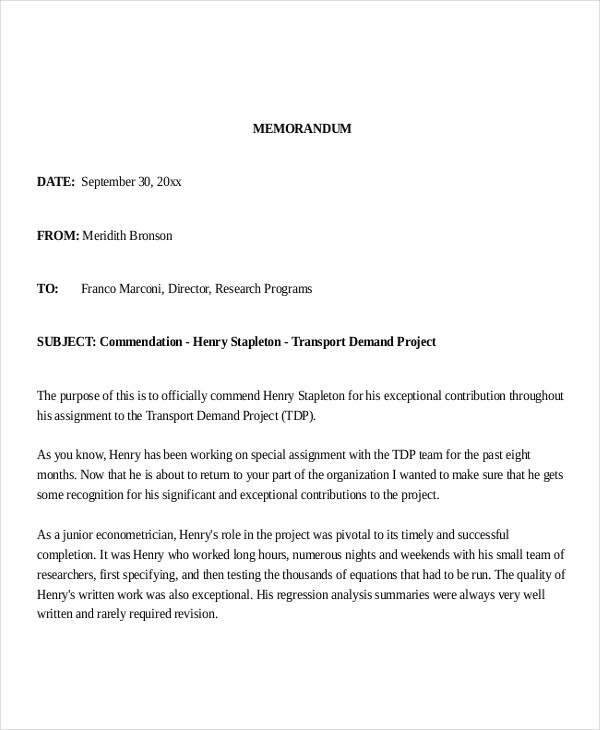 600×730 business memo examples samples pages from www.examples.com
  696×900 business memo template documents word excel from www.dexform.com
  754×832 business memo sample master template document from belogimannabila.blogspot.com
  1277×1652 examples business memo ufreeonline template from ufreeonline.net